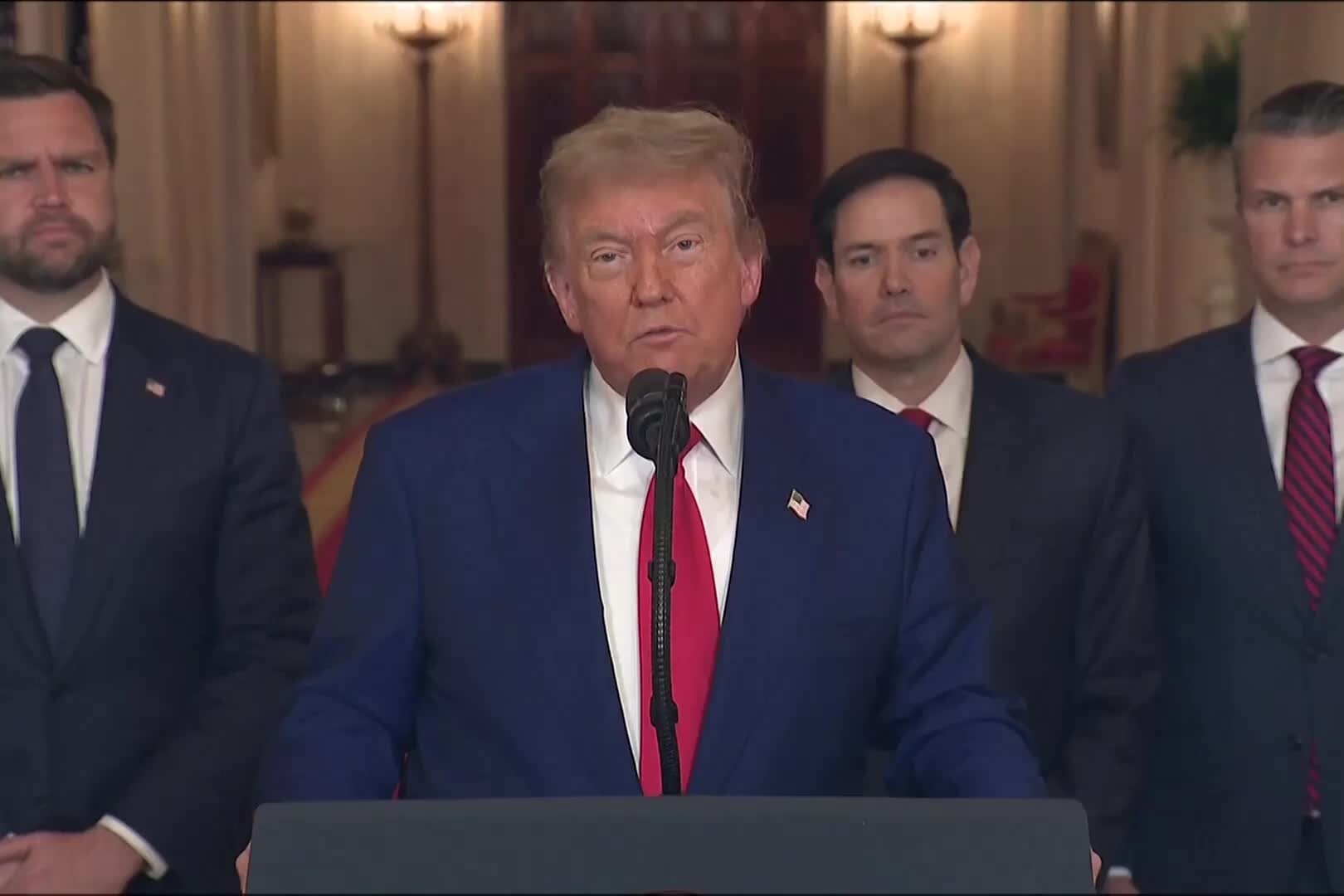
In recent statements, former U.S. President Donald Trump emphasized that Iran is facing a substantial decline in its influence, which is helping to move closer to achieving a vision for a freer Middle East. Trump noted that these transformations reflect the success of American policies in the region, especially in light of the pressures being faced by Tehran.
Speaking at an event in Florida, Trump added that the political shifts in the Middle East indicate that Arab nations are beginning to move towards enhancing democracy and human rights, which he views as a positive step towards stability.
Event Details
During his remarks, Trump pointed out that Iran has represented a threat to regional security, and its decline will open the door for countries in the area to strengthen their sovereignty and independence. He also confirmed that the previous American administration took decisive steps to confront Iranian challenges, including the imposition of stringent economic sanctions.
Trump did not hesitate to indicate that this Iranian decline also reflects the failures of the policies pursued by the Biden administration, arguing that a return to the nuclear agreement with Iran could have dire consequences for regional security.
Background & Context
Historically, relations between the United States and Iran have seen increasing tensions since the Islamic Revolution of 1979. The United States has taken several steps to counter Iranian influence in the region, including withdrawing from the nuclear agreement in 2018. This move had significant repercussions on relations between Iran and Western nations, leading to heightened military tensions in the region.
In recent years, the region has witnessed major political transformations, as some Arab countries have begun to open up to Israel, reflecting a shift in regional dynamics. These transformations could enhance the prospects for achieving peace and stability in the area, but they may also provoke reactions from Iran and its allies.
Impact & Consequences
The Iranian decline could significantly affect regional balances. If pressures on Tehran continue, this may lead to changes in the internal and external policies of the Iranian regime. Additionally, the enhancement of democracy and human rights in Arab countries could contribute to improving relations between these nations and the West.
However, caution is necessary as these transformations could also lead to violent reactions from Iran, which may seek to bolster its influence in other areas such as Iraq and Syria.
Regional Significance
For Arab nations, the decline of Iran may open new avenues for regional cooperation. Countries that have feared Iranian influence may find this decline an opportunity to strengthen their ties with the United States and Western nations. This could also lead to improvements in the economic and political conditions in some of these countries.
At the same time, Arab nations must be prepared to face any reactions from Iran, which may seek to destabilize the region by supporting armed groups or intervening in the internal affairs of neighboring countries.
In conclusion, the question remains open regarding the sustainability of this Iranian decline and its impact on the future of the Middle East. The current political transformations may mark the beginning of a new phase of stability, but they may also carry new challenges that require caution and political acumen from all parties involved.