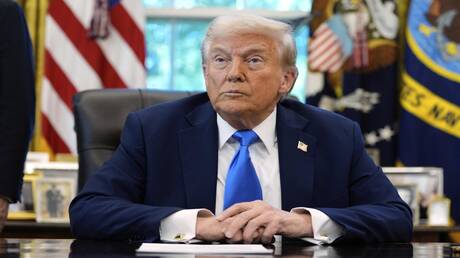
U.S. President Donald Trump has issued an ultimatum to Iran, presenting two critical options: either reach a comprehensive agreement with the United States or face attacks targeting its vital infrastructure. This warning was conveyed through his Vice President JD Vance, reflecting escalating tensions between Washington and Tehran amid multiple crises in the region.
This move comes at a sensitive time, as the U.S. administration seeks to pressure Iran to return to the negotiating table regarding its nuclear program, which is considered one of the most contentious issues in the bilateral relations. Trump appears to hope to use this strategy as a means to pressure Tehran into making concessions related to its nuclear and regional files.
Details of the Ultimatum
According to reports, Trump's ultimatum includes a clear threat that any failure to reach an agreement could lead to military escalation targeting vital facilities in Iran. This statement reflects the maximum pressure policy that the U.S. administration has followed since its withdrawal from the nuclear agreement in 2018, which saw strict economic sanctions imposed on Tehran.
On the other hand, Iran has repeatedly asserted that it will not negotiate under pressure, complicating the situation further. Reports indicate that Tehran is preparing to confront any potential escalation, suggesting that matters may head towards increased tensions in the region.
Historical Context of U.S.-Iran Relations
Historically, U.S.-Iranian relations have seen increasing tensions since the Islamic Revolution in 1979. Since then, there have been numerous crises, including hostage-taking, proxy wars, and military threats. In recent years, these tensions have notably escalated following the U.S. withdrawal from the nuclear agreement.
In 2015, a nuclear agreement was reached between Iran and the 5+1 Group (the United States, the United Kingdom, France, Russia, China, and Germany), aimed at reducing Iranian nuclear activities in exchange for easing sanctions. However, following Trump's withdrawal from the agreement, Iran resumed increasing its nuclear activities, heightening international concerns.
Potential Impact and Consequences
These developments could lead to military escalation in the region, threatening stability in the Middle East. Any attack on Iranian infrastructure could provoke strong reactions from Tehran, potentially resulting in a series of retaliatory strikes that may involve other countries in the region.
Furthermore, rising tensions could impact global oil prices, as Iran is a key player in the energy market. Any disruptions in the region could lead to price increases, affecting the global economy as a whole.
Significance for the Arab Region
Neighboring Arab countries, such as Iraq and Saudi Arabia, find themselves in a sensitive position, as they may be directly affected by any military escalation. Any U.S. attack on Iran could lead to unforeseen repercussions, including refugee flows and increased sectarian tensions.
Additionally, Arab nations may find themselves compelled to deal with the fallout from any potential conflict, complicating the political and economic situations in the region.
In conclusion, Trump's ultimatum to Iran reflects the rising tensions in the bilateral relations and suggests that the region may be on the brink of a new phase of instability. The current situation requires all parties to work towards finding diplomatic solutions to avoid military escalation that could have dire consequences.