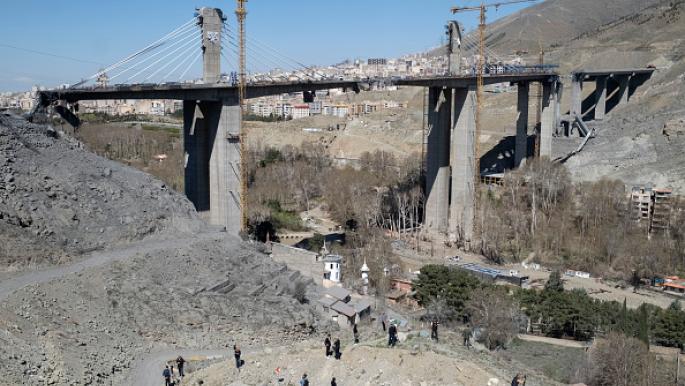
Donald Trump has revealed new justifications during private meetings, claiming that energy production facilities and bridges in Iran are considered 'legitimate military targets.' These statements come at a sensitive time amid escalating tensions between the United States and Iran, where fears of potential military escalation in the region are rising.
Pressure is mounting on the U.S. administration to take decisive steps against Iran, amid increasing nuclear activities and regional tensions. Sources have confirmed that Trump obtained these justifications through consultations with military and security advisors, reflecting the administration's desire to take a tougher stance against Tehran.
Details of the Situation
In recent days, Washington has witnessed a series of closed-door meetings addressing the Iranian situation. During these meetings, reports were presented indicating that Iranian infrastructure, including energy facilities and bridges, could be considered legitimate military targets under international law. These statements open the door to the possibility of military operations against these facilities, which could lead to significant escalation in the conflict.
This development comes at a time when U.S.-Iran relations are notably deteriorating, with increasing concerns that any military action could provoke retaliatory responses from Iran, potentially dragging the region into a wider conflict.
Background & Context
Tensions between the United States and Iran date back several years, with relations between the two countries significantly escalating following Washington's withdrawal from the Iranian nuclear deal in 2018. Since then, the United States has imposed severe economic sanctions on Iran, which have significantly impacted its economy and exacerbated internal crises.
In recent years, Iran has increased its military activities in the region, including its support for militias in Iraq and Syria, raising concerns among the United States and its allies in the region. This escalation in Iranian military activities has prompted the U.S. administration to reassess its strategy towards Tehran, leading to these new justifications presented by Trump.
Impact & Consequences
If any military operations are carried out against Iranian facilities, it could lead to retaliatory responses from Iran, threatening regional security and escalating tensions in the Middle East. Additionally, any military escalation could impact global oil prices, as Iran is considered a key player in the energy market.
Moreover, these developments could escalate conflicts between major powers in the region, complicating security and political situations. In the event of military conflict, this would directly affect neighboring countries to Iran, potentially leading to refugee flows and increased humanitarian crises.
Regional Significance
Arab countries neighboring Iran, such as Iraq and Syria, are likely to be the most affected by any potential military escalation. These countries may find themselves in a difficult position between supporting the United States or trying to maintain their relations with Iran. Furthermore, any escalation in the region could impact political and economic stability in Arab countries, increasing the challenges they face.
Ultimately, the question remains open as to how Iran will respond to these new justifications, and whether it will take escalatory steps or seek to calm the situation. Upcoming developments will determine the fate of U.S.-Iran relations and will impact security and stability across the entire region.