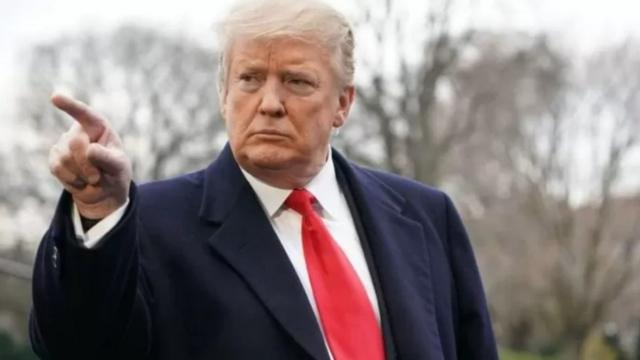
Reports indicate that the United States, under former President Donald Trump, has become a leader in the decline of democracy worldwide. This regression raises concerns about the future of democratic values in the country, as fears grow regarding its impact on the American political system and international relations.
Statistics show that the United States has witnessed a significant decline in democracy indicators, reflecting the impact of the policies implemented by Trump during his presidency. Studies have shown an erosion of trust in democratic institutions and an increase in political and social division, threatening internal stability.
Details of the Event
During the four years of Trump's presidency, his administration was marked by controversy and division. Trump employed a political rhetoric filled with provocations, leading to the spread of a culture of hatred and intolerance. His tenure also saw a decline in press freedom, with many media outlets that criticized his policies being targeted.
Moreover, Trump did not hesitate to question the election results, exacerbating the division between his supporters and opponents. This situation led to unprecedented events, such as the storming of the Capitol building on January 6, 2021, which served as a wake-up call regarding the dangers facing American democracy.
Background & Context
Historically, the United States has been considered a model of democracy in the world, contributing to the spread of values of freedom and human rights. However, with the rise of Trump, signs of erosion of these values began to emerge. This shift is part of a broader global phenomenon, where democracies in many countries are facing increasing pressures.
Concerns are growing that the decline of democracy in the United States may have negative repercussions on other countries, as it could encourage authoritarian regimes to strengthen their power and suppress opposition. Additionally, this regression may affect international alliances that rely on democratic values.
Impact & Consequences
The repercussions of the decline of democracy in the United States extend beyond its geographical boundaries. With increasing political division, this could lead to a weakening of American influence on the international stage. Countries that rely on American support to promote democracy may find themselves in a difficult position.
Furthermore, the decline of democracy may lead to the spread of corruption and an increase in human rights violations, threatening stability in many regions. In this context, strengthening democracy in the United States is vital for maintaining the international order based on democratic values.
Regional Significance
For the Arab region, the decline of democracy in the United States may have direct implications. Many Arab countries rely on American support in the fields of human rights and democracy. If this decline continues, it could bolster authoritarian regimes in the region, hindering reform efforts.
Moreover, the political division in the United States may impact American foreign policy towards the Middle East, potentially leading to changes in support and aid strategies.
In conclusion, the decline of democracy in the United States poses a significant challenge not only for the American interior but for the entire world. Upholding democratic values requires collective efforts from all countries, including the United States, to ensure a better future for all.