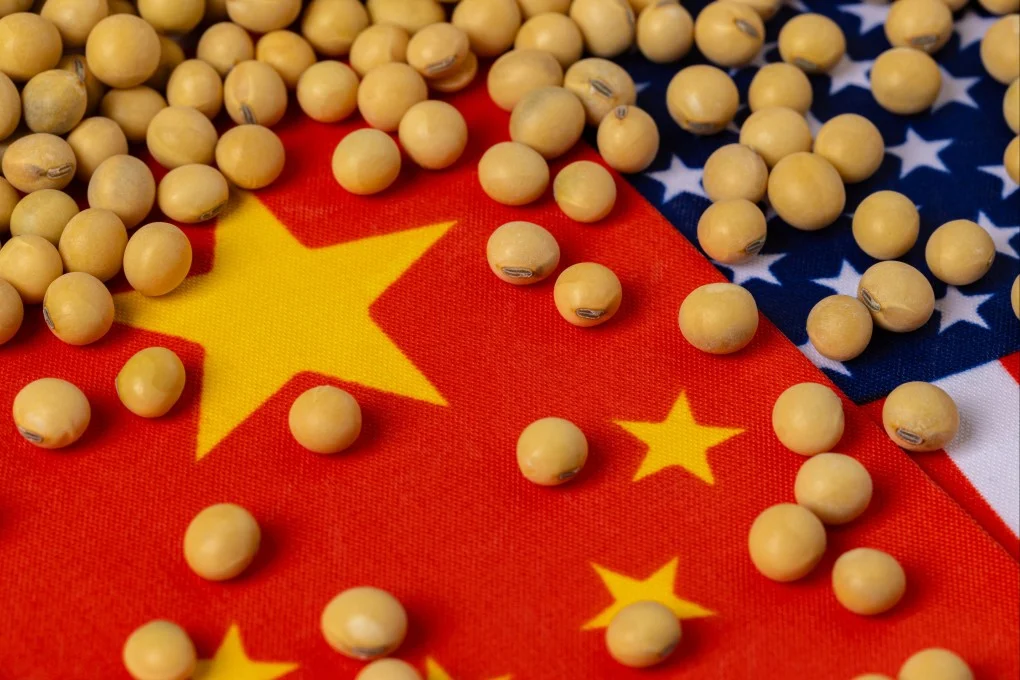
Amid escalating trade tensions between the United States and China, American soybean farmers are hoping for an agreement to support their crops following a meeting between President Donald Trump and Chinese President Xi Jinping. Despite previous optimism, no concrete steps were announced to assist soybean farmers.
Trump and Xi met in Beijing, where it was expected that an announcement regarding an increase in soybean purchases from China would be made, which would have provided a glimmer of hope for U.S. farmers suffering from the repercussions of the trade war. However, Trump left Beijing without any tangible announcements, raising concerns among farmers about the future of their exports.
Details of the Meeting
Last October, a meeting took place in Busan, South Korea, where China expressed its commitment to increasing its soybean purchases. However, the recent meeting yielded no concrete results, frustrating farmers who were hoping for strong assurances to support their crops.
The United States is one of the largest producers and exporters of soybeans in the world, with many farmers relying on the Chinese market as a primary source of revenue. As trade tensions have escalated, soybean prices have experienced significant fluctuations, adversely affecting farmers' incomes.
Background & Context
The roots of the trade war between the United States and China date back to 2018 when the U.S. imposed tariffs on a range of Chinese goods, prompting China to retaliate in kind. These tensions have led to a significant decline in U.S. soybean exports to China, directly impacting farmers.
In recent years, China has heavily relied on American soybeans to meet its food needs, but the trade war has made it difficult for American farmers to maintain their market share. With increasing pressures, finding quick solutions to support farmers has become essential.
Impact & Consequences
The trade war between the United States and China affects the global economy as a whole, causing fluctuations in commodity prices and impacting supply chains. If these tensions continue, American soybean farmers may face further pressures, potentially leading to decreased production and increased unemployment in rural areas.
On the other hand, these conditions may lead to increased reliance on new markets, potentially opening new avenues for soybean farmers in other countries. However, shifting to new markets requires significant time and effort.
Regional Significance
The Arab region is an important market for many agricultural products, including soybeans. With increasing demand for agricultural products in Arab countries, trade tensions between the United States and China may affect commodity prices in the region, which could reflect on import costs.
Moreover, these tensions could lead to increased opportunities for cooperation between Arab countries and other producing nations, contributing to enhancing food security in the region.
In conclusion, hope remains for reaching trade agreements that support American soybean farmers and alleviate trade tensions between the United States and China, benefiting the global economy as a whole.