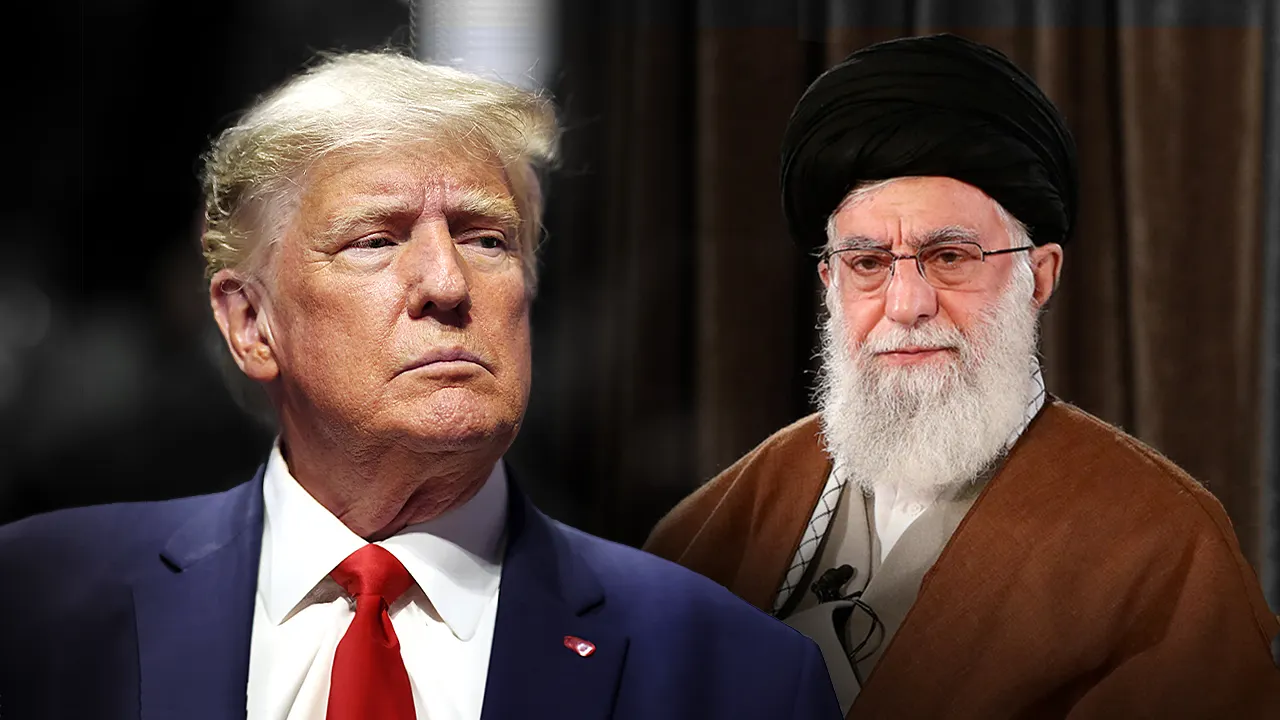
Attention is focused on negotiations led by U.S. President Donald Trump with Iran, involving multiple stakeholders. These talks come at a sensitive time marked by escalating tensions in the region.
Amid increasing crises between the United States and Iran, Trump is seeking to achieve a diplomatic breakthrough that could change the course of events in the Middle East. Reports indicate that the negotiations encompass a range of sensitive issues, including the Iranian nuclear program and Tehran's support for militias in the region.
Details of the Negotiations
The current negotiations between Trump and Iran involve several parties, including European countries such as France and Germany, which are striving to maintain the nuclear agreement reached in 2015. Additionally, China and Russia play significant roles in these negotiations, as they seek to bolster their interests in the region.
These negotiations come at a critical time, as military tensions between Iran and the United States have increased, especially following attacks targeting oil facilities in Saudi Arabia. Trump aims to use these negotiations as a means to pressure Iran, while Tehran hopes to alleviate the sanctions imposed on it.
Background & Context
Historically, relations between the United States and Iran have experienced significant fluctuations since the Islamic Revolution in 1979. The nuclear agreement reached in 2015 was a crucial step towards improving relations, but Trump's withdrawal from the agreement in 2018 brought relations back to square one.
Following the U.S. withdrawal, Washington imposed strict economic sanctions on Iran, leading to a deterioration of the economic situation in the country. In response, Iran resumed its nuclear activities, raising concerns within the international community.
Impact & Consequences
If the negotiations succeed, they could lead to the easing of sanctions imposed on Iran, potentially contributing to regional stability. However, if the negotiations fail, military escalation may become a viable option, further intensifying tensions in the Middle East.
Moreover, the outcomes of these negotiations could impact U.S. relations with its allies in the region, particularly with Gulf countries that are concerned about Iran's growing influence.
Regional Significance
The negotiations between Trump and Iran hold significant importance for the Arab region, as they affect security and stability in countries such as Iraq, Syria, and Lebanon. Any change in U.S. policy towards Iran could directly reflect on the ongoing conflicts in these countries.
Additionally, the success of the negotiations could pave the way for broader dialogue encompassing other issues, such as the Israeli-Palestinian conflict, potentially contributing to achieving lasting peace in the region.
In conclusion, the negotiations between Trump and Iran remain a focal point for the world, with expectations that their outcomes will significantly influence the future of international relations in the Middle East.