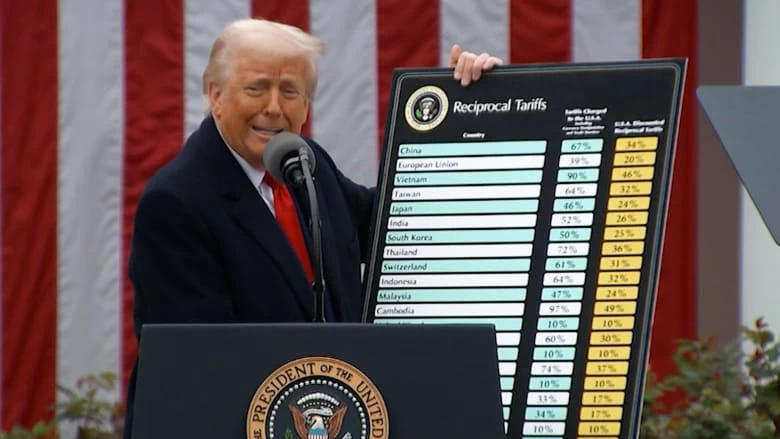
President Donald Trump has approved a new package of tariffs targeting the pharmaceutical and metals sectors, reflecting his adherence to economic protectionism despite its global repercussions. The new decisions include imposing tariffs of up to 100% on imported drugs, while granting companies time to relocate their production lines to the United States, in an effort to boost domestic pharmaceutical manufacturing and reduce reliance on foreign sources.
According to the new direction, major companies are granted a compliance period of up to 120 days, while smaller companies benefit from a period of up to 180 days. Companies that commit to building factories within the United States will receive a tariff reduction to 20%.
Details of the New Tariffs
The new arrangements include exemptions for certain trade allies, where drug exports from the European Union, Japan, South Korea, and Switzerland will be subject to lower tariffs of 15%. Additionally, Britain has received a temporary exemption allowing its drugs to enter without tariffs for a period of 3 years, as part of a broader trade agreement.
Regarding metals, the decision maintains a 50% tariff on imports of steel, aluminum, and copper, while adjusting the calculation mechanism to be based on the full value of the final products, rather than the percentage of the metals contained within them. This adjustment aims to simplify procedures and reduce manipulation.
Products with limited metal content, such as certain consumer goods, are exempt from tariffs, while tariffs on industrial equipment and electrical network components have been reduced from 50% to 15% until 2027, supporting industrial expansion.
Background & Context
These steps come in the context of what Trump calls "Liberation Day," during which he launched a wave of broad tariffs a year ago that caused disruptions in global markets and complicated supply chains. Despite previous legal objections to these policies, the U.S. administration appears to be moving forward with reshaping its trade tools.
These policies aim to enhance domestic manufacturing and reorder economic relations with the world, reflecting Trump's inclination to bolster the American economy at the expense of international trade.
Impact & Consequences
Some analyses predict that these tariffs will lead to increased prices for American consumers, as the new tariffs will affect the costs of drugs and metal goods. They may also provoke reactions from affected countries, escalating global trade tensions.
At the same time, some American companies may benefit from these policies by increasing local production, potentially contributing to the creation of new jobs. However, the challenges faced by small businesses could exacerbate economic conditions for certain sectors.
Regional Significance
The Arab region is indirectly affected by these policies, as any changes in global trade may impact Arab countries' exports to the United States. Additionally, increased tariffs could lead to higher prices for imported goods, affecting local markets.
In light of these developments, Arab countries need to consider new strategies to enhance their exports and reduce reliance on American markets, especially amid ongoing changes in global trade policies.
In conclusion, the repercussions of these policies remain under observation, as their impact on the American and global economy will become clearer in the coming months, necessitating other countries to take proactive steps to adapt to these changes.