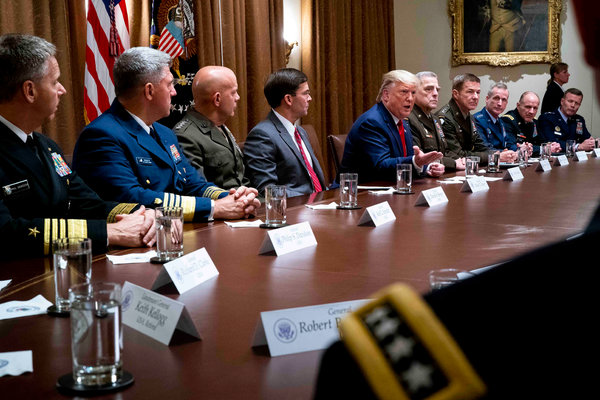
In a controversial statement, U.S. President Donald Trump declared that he does not need Congress approval to pursue military operations against Iran, noting that many previous presidents did not seek permission from the legislative body. This declaration comes at a time when a legal deadline of 60 days has elapsed since the administration informed Congress about military actions against Tehran.
Trump, speaking in the context of rising tensions with Iran, indicated that his predecessors viewed Congress's authority to define war powers as "entirely unconstitutional." In response to a question about whether he would seek Congress approval, he stated, "No one has ever asked for that," reflecting his strong stance on executive authority in managing military crises.
Details of the War Powers Act
The War Powers Act of 1973 requires the president to terminate any use of U.S. armed forces after 60 days of notifying Congress, unless lawmakers vote to continue the conflict. This law was enacted to limit President Richard Nixon's ability to continue the Vietnam War without congressional consent.
Friday, February 28, marked the sixtieth day since the administration notified Congress about the strikes against Iran. However, Trump and Defense Secretary Mark Esper claim that the clock stopped when the current ceasefire went into effect, raising debate over whether this ceasefire counts within the legal timeframe.
Historical Context
Historically, some U.S. presidents have sought to comply with the War Powers Act. In 1983, President Ronald Reagan obtained Congress approval to deploy Marines in Lebanon, while President George H.W. Bush sought permission for the Operation Desert Storm in 1991.
In contrast, President Bill Clinton did not seek Congress approval during the air campaign in Kosovo in 1999, which lasted 78 days. Similarly, President Barack Obama did not seek Congress permission during the U.S. intervention in Libya in 2011, which extended for over seven months.
Impact and Consequences
Trump's position represents a challenge to legislative authority, reflecting historical concerns about presidents engaging in wars without congressional support. As noted by David Schultz, a political science professor, Trump's actions may place the country in a precarious position, potentially escalating conflict without the consent of the public or their representatives.
While Trump suggests that the conflict with Iran has been brief compared to past struggles, the question of how to resolve this conflict remains unanswered.
Regional Significance
This situation underscores the ongoing tension between executive and legislative powers in the United States, raising legal and constitutional issues regarding war powers. The implications of Trump's statements could affect U.S. foreign relations and military strategy in the Middle East.
As the situation develops, the balance of power between Congress and the presidency will continue to be scrutinized, highlighting the complexities of governance in matters of war and peace.