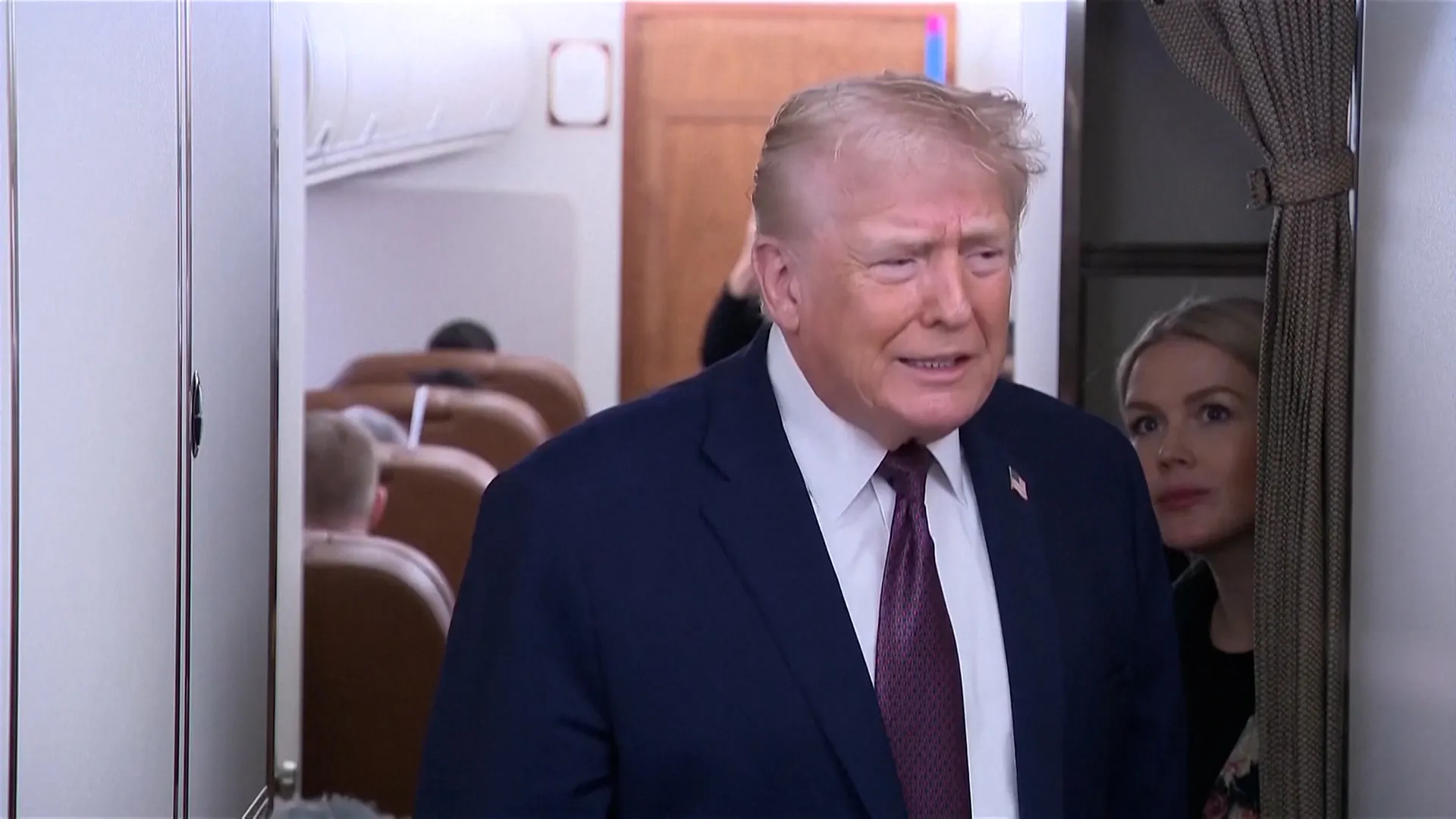
In recent statements, former U.S. President Donald Trump affirmed that he does not consider sending ground troops to Iran an urgent necessity, but he indicated that no options can be ruled out for the future. These remarks come amid rising tensions in the region, where Iran continues to bolster its military capabilities and expand its influence in the Middle East.
Trump, who had taken a hard stance against Iran during his presidency, pointed out that the current U.S. administration should be cautious in handling issues related to Iran. He emphasized that any decision regarding troop deployment should be based on a thorough assessment of the situation.
Details of the Statement
Trump's comments were made during an interview with a news channel, where he discussed the situation in the Middle East and its impact on U.S. national security. He clarified that the presence of American troops in the region could escalate tensions rather than alleviate them. He also noted that there are other options to consider, such as economic and diplomatic sanctions.
This statement comes at a time when relations between the United States and Iran are increasingly strained, especially following Trump's withdrawal from the Iranian nuclear deal in 2018. This move significantly affected the bilateral relations and led to heightened tensions in the region.
Background & Context
For years, Iran has been a focal point in U.S. foreign policy, as Washington views it as a threat to regional security. Recent events, including attacks on oil facilities in Saudi Arabia, have demonstrated that Iran is capable of executing complex military operations that impact the stability of the region.
Although Trump does not rule out sending ground troops, there are calls from some American political circles to avoid any direct military intervention in Iran, as many believe that such actions could lead to dire consequences for regional and international security.
Impact & Consequences
Trump's statements may influence the current U.S. administration's policy towards Iran, with many observers expecting changes in American strategy in the region. Additionally, these remarks could strengthen Iran's position in future negotiations, as it may use them as leverage against the United States.
At the same time, these statements could increase tensions between Iran and neighboring countries, especially given the presence of other regional powers competing for influence in the area. Arab nations are expected to closely monitor the American and Iranian reactions to these statements.
Regional Significance
Trump's remarks hold particular significance for Arab countries, as they reflect the security challenges facing the region. With Iran's growing influence, many Arab nations are concerned about the potential escalation of military tensions.
Moreover, these statements may affect the relationships between Arab countries and the United States, as many Arab leaders seek to enhance security cooperation with Washington to counter Iranian threats. Simultaneously, these nations must be prepared to deal with any unforeseen developments that may arise from the American statements.
In conclusion, Trump's comments on Iran remain a focal point of interest, reflecting the complex challenges facing U.S. foreign policy in the Middle East. As tensions continue, it will be crucial to monitor how the situation evolves in the coming months.