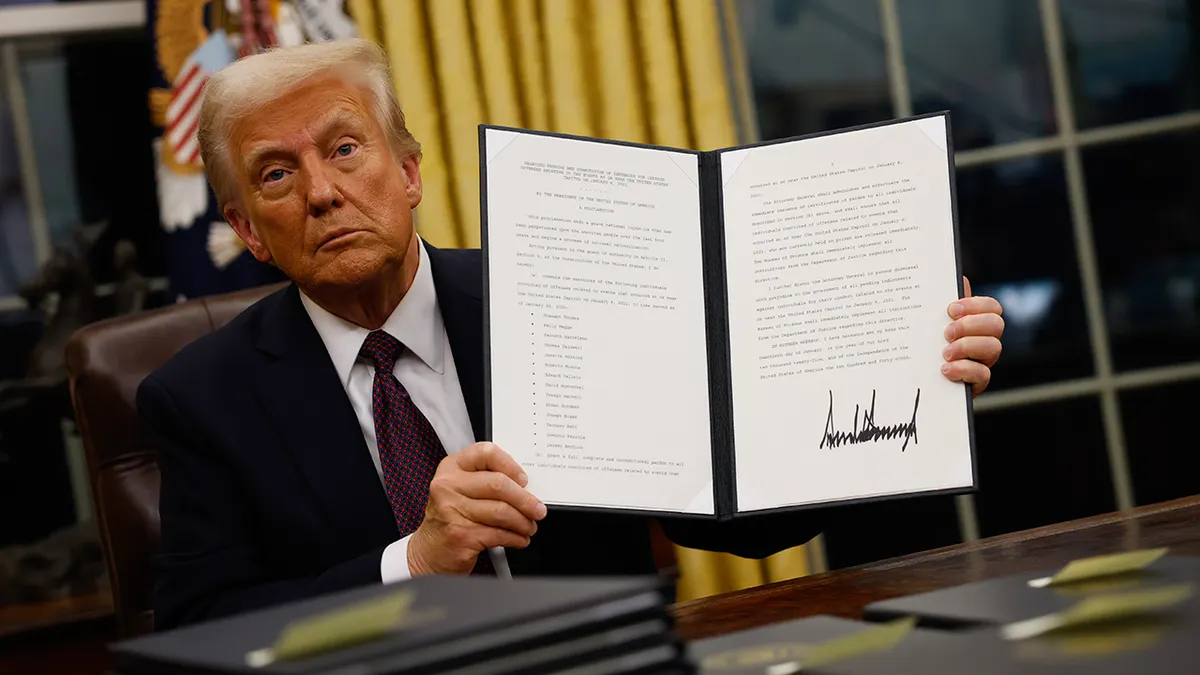
Former U.S. President Donald Trump intends to attend a Supreme Court session scheduled for Wednesday, which will address his attempt to limit birthright citizenship. This issue has sparked widespread debate in the United States, as Trump seeks to alter the laws that grant citizenship to children born on U.S. soil, regardless of their parents' legal status.
This session comes at a sensitive time, as Trump aims to bolster his position in the American political arena, especially with the upcoming presidential elections. Trump has indicated on several occasions that birthright citizenship encourages illegal immigration, which he views as a threat to national security.
Details of the Event
The Supreme Court will hear legal arguments from both sides, with Trump's attorneys presenting their justifications for limiting this right, while advocates for immigrant rights will argue to maintain the current status. This case is considered one of the key issues that will determine the future of immigration policy in the United States and could significantly impact the lives of many families.
It is noteworthy that Trump has launched his campaign against birthright citizenship since 2015, considering it one of the core elements of his electoral platform. His previous attempts have faced numerous legal challenges, but this time he appears determined to move forward in this direction.
Background & Context
Historically, birthright citizenship was established in the United States under the 14th Amendment to the Constitution, adopted after the American Civil War. This right ensures that any child born on U.S. soil automatically receives citizenship, contributing to the cultural diversity of the country.
However, the debate surrounding this right has escalated significantly in recent years, particularly with the increasing number of immigrants to the United States. Some believe that this right should be reconsidered, while others view it as an essential part of American identity.
Impact & Consequences
If Trump succeeds in limiting birthright citizenship, it could lead to radical changes in American immigration policy. This decision could affect thousands of children born in the United States to undocumented parents, potentially creating a state of legal uncertainty for them.
Moreover, this decision may provoke strong reactions from human rights advocates, who see the limitation of this right as contrary to fundamental principles of justice and equality. This could lead to widespread protests across the country, further increasing political and social division.
Regional Significance
The issue of immigration and migrant rights is a significant concern affecting many Arab countries, as many seek to immigrate to the United States in search of better opportunities. If birthright citizenship is limited, it could impact the plans of many Arab families hoping to improve their situation through immigration.
Ultimately, this issue remains one of the contentious topics that require in-depth discussions, intertwining human rights with political and social issues. It is essential to monitor the developments of this case and its potential impacts on American society and migrants from Arab countries.