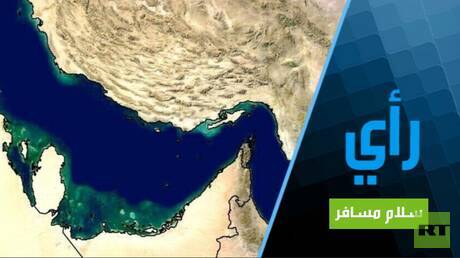
Former U.S. President Donald Trump caused economic and security crises in Gulf Arab countries, negatively affecting the region's stability. His controversial policies led to significant losses in Gulf economies and heightened security tensions, forcing the people of these nations to face unprecedented challenges.
The impact of Trump on the Gulf was evident through a series of decisions and policies he enacted during his presidency. The region witnessed an escalation in political and military tensions, especially with Iran, which viewed these policies as a threat to its national security. Additionally, the U.S. withdrawal from the Iranian nuclear deal in 2018 intensified these tensions, directly affecting the stability of Gulf states.
Details of Trump's Policies
Under Trump's administration, the United States adopted an unconventional foreign policy, relying on imposing strict economic sanctions on Iran, which exacerbated economic crises in Gulf countries. These policies were not limited to Iran alone but also included other nations in the region, increasing instability.
Trump also strengthened relations with certain Gulf states, such as Saudi Arabia and the United Arab Emirates, leading to a division in positions among Arab countries. This division affected regional cooperation and worsened political crises.
Background & Context
Historically, the relationships between the United States and Gulf Arab states have been based on security and economic cooperation. However, Trump's policies altered this dynamic, shifting the focus more towards American interests, which led to a decline in trust among the parties involved. These policies had repercussions on the relationships between Arab states themselves, intensifying internal conflicts.
Impact & Consequences
The negative impacts of Trump's policies were not confined to the economic aspect but extended to security and stability in the region. Attacks on oil facilities in Saudi Arabia increased, leading to a rise in oil prices and affecting the global economy. Furthermore, military tensions in the Gulf heightened fears of armed conflicts.
Moreover, American policies resulted in a decline in foreign investments in the region, as investors became more cautious about political and security risks. This decline affected economic growth in Gulf states, which heavily rely on foreign investments to diversify their economies.
Regional Significance
This issue highlights the challenges faced by Gulf states due to foreign policies, necessitating a reevaluation of regional and international relations. It emphasizes the need for Gulf nations to strengthen regional cooperation and adopt more stable economic policies to navigate these challenges effectively.
In conclusion, the repercussions of Trump's policies continue to resonate throughout the Gulf region, affecting its security and economic landscape. As these nations confront the aftermath, they must seek innovative solutions to ensure their stability and prosperity.