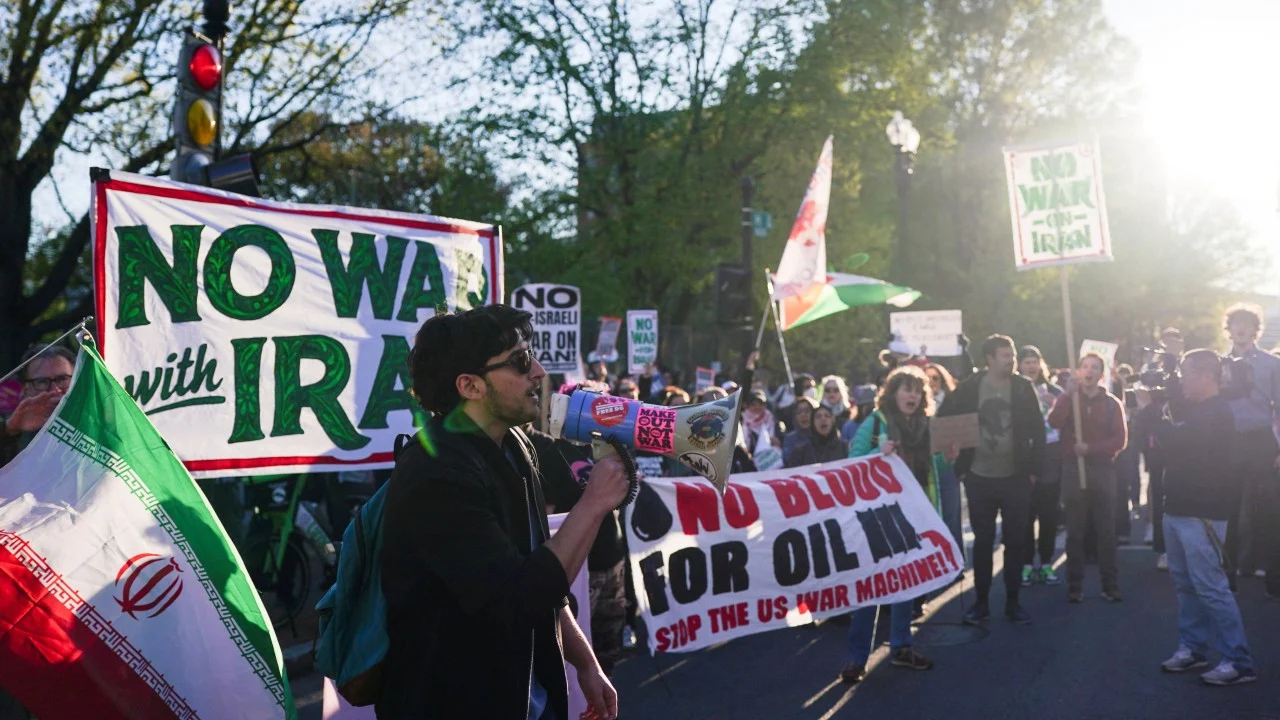
U.S. President Donald Trump announced a two-week ceasefire agreement in the ongoing conflict with Iran, commending China's role in facilitating negotiations. The agreement, which includes the resumption of shipping through the Strait of Hormuz, comes at a sensitive time as tensions in the region escalate. Negotiations are scheduled to begin in Islamabad, Pakistan, on Friday.
Trump confirmed in statements to AFP that he received assurances from the Chinese side regarding their assistance in pushing Iran to the negotiating table. This cooperation between the United States and China reflects a shift in the geopolitical dynamics of the region, as both countries seek to achieve stability in a troubled area.
Details of the Agreement
The agreement reached includes several key provisions, including a cessation of hostilities and the resumption of shipping traffic through the Strait of Hormuz, one of the world's most crucial maritime passages. This strait experiences significant oil and gas traffic, and any disruption could impact global energy prices.
Iran, for its part, expressed its desire for China, its largest trading partner, to be among the guarantors of peace in the region. This request reflects the growing trust Tehran places in Beijing, especially in light of the U.S. sanctions imposed on it.
Background & Context
Historically, relations between the United States and Iran have seen increasing tensions since the Islamic Revolution in 1979. These tensions have escalated in recent years, particularly following the U.S. withdrawal from the Iranian nuclear deal in 2018. Since then, Washington has imposed strict sanctions on Tehran, exacerbating the economic and social conditions in the country.
In response, Iran is seeking to strengthen its ties with other countries, such as China and Russia, as a means to counter U.S. pressures. These dynamics indicate a shift in the balance of power in the Middle East, with China playing an increasingly significant role in regional politics.
Impact & Consequences
This agreement could have significant implications for international relations, as it may lead to a de-escalation of tensions in the Gulf region. Additionally, the resumption of shipping through the Strait of Hormuz could contribute to stabilizing oil prices, benefiting the global economy.
Moreover, this agreement could encourage other countries in the region to seek diplomatic solutions to existing conflicts, enhancing the prospects for peace and stability in the Middle East. However, the question remains regarding the commitment of the involved parties to implement this agreement.
Regional Significance
For Arab countries, this development could have multiple effects. Stability in the region means stability in oil prices, which is vital for Arab economies that heavily rely on oil revenues. Furthermore, any improvement in relations between Iran and the United States could impact regional balances, prompting Arab nations to reassess their strategies.
In conclusion, this agreement represents an important step towards achieving peace in a region plagued by ongoing conflicts. However, the greatest challenge remains ensuring that all parties adhere to the terms of the agreement and achieve lasting stability.