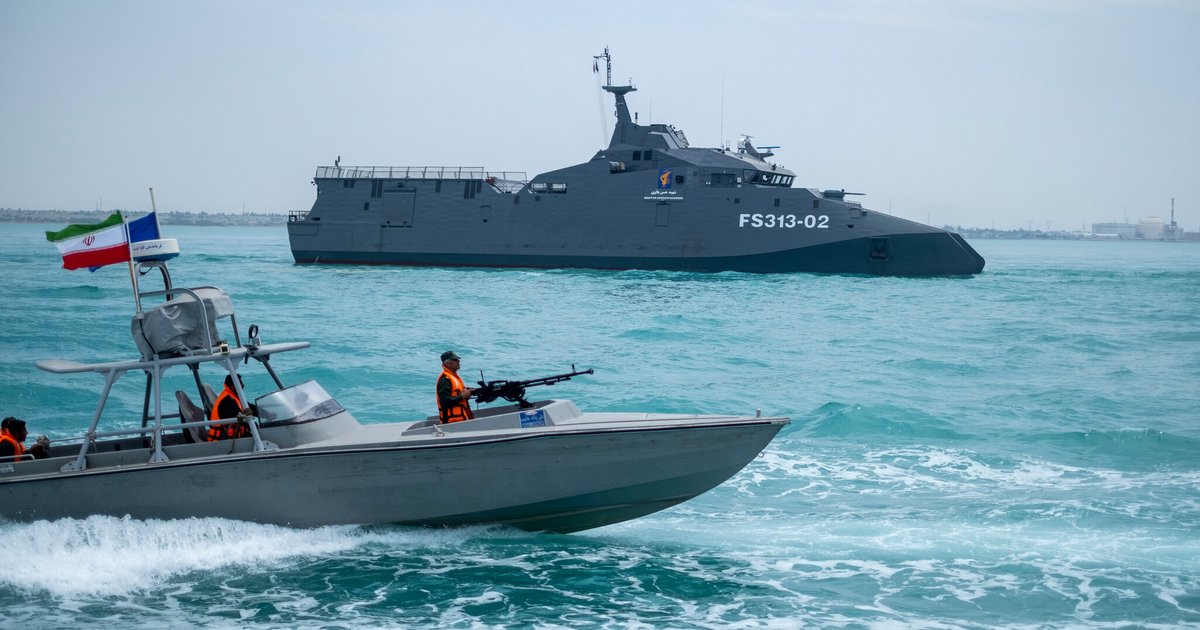
U.S. President Donald Trump has expressed his willingness to conclude military operations against Iran, despite the Strait of Hormuz still being partially closed. This announcement was made in a report published by the Wall Street Journal, which cited several officials from the U.S. administration confirming this decision.
In recent days, Trump and his team have concluded that fully reopening the strait could lead to an extension of the conflict beyond the original plans, which anticipated military operations lasting between four to six weeks. Instead, Trump has decided that Washington should focus on its primary objectives, which include reducing Iranian naval capabilities, limiting its missile stockpile, and easing existing tensions.
Details of the Situation
These statements come at a time when the Strait of Hormuz, one of the most crucial maritime routes for oil and natural gas transport, is experiencing significant escalation in tensions between the United States and Iran. In recent months, there has been a series of reciprocal attacks between the two sides, including strikes by the U.S. and Israel on Iranian targets, resulting in human and material damage.
In response, Iran has retaliated by launching attacks on Israeli territory and U.S. military facilities in the region, exacerbating the security situation. These events have effectively imposed a blockade on the Strait of Hormuz, negatively impacting oil exports and global fuel prices.
Background & Context
Historically, the Strait of Hormuz is a vital strategic point, through which approximately 20% of the world's total oil exports pass. This strait has seen recurring tensions over the years, particularly between Iran and Western countries. In recent years, these tensions have notably escalated, leading to mutual threats between the parties involved.
In February, the U.S. and Israel launched attacks on Iranian targets, prompting a swift Iranian response. This dynamic reflects the ongoing conflict between major powers in the region and its impact on regional and global security.
Impact & Consequences
Trump's decision to end military operations against Iran could have significant ramifications for regional security. On one hand, it may lead to a de-escalation of tensions; on the other hand, it could be seen as a retreat from the pressure the U.S. has been applying on Iran. If the desired objectives are not achieved, Washington may be forced to reassess its strategy.
Additionally, this decision may push European and Gulf countries to take a more significant role in reopening the strait and restoring maritime trade. This could directly affect global oil prices, as any escalation in the region could lead to a substantial rise in prices.
Regional Significance
For Arab countries, the situation in the Strait of Hormuz represents a major concern. These nations heavily rely on oil exports, and any escalation in tensions could adversely affect their economies. Furthermore, regional stability is vital to ensure the flow of trade and the stability of oil prices.
In conclusion, Trump's decision to end military operations against Iran could have far-reaching effects on regional and international security. Arab nations must closely monitor developments, as any changes in the situation could directly impact their economic and security interests.