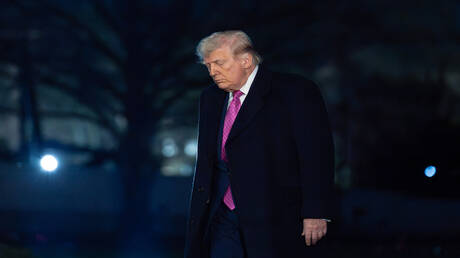
U.S. officials report that President Donald Trump is willing to end the war against Iran, even if the Strait of Hormuz remains closed, indicating a shift in U.S. strategy towards the region. This statement comes at a sensitive time when relations between the United States and Iran are experiencing increasing tension, raising questions about the future dimensions of this conflict.
Trump's remarks are seen as an unconventional step, as the Strait of Hormuz is one of the world's most important waterways, used for transporting about 20% of the world's total oil. The closure of this strait could lead to significant economic repercussions for global markets; however, Trump appears to prefer focusing on ending military conflict rather than being preoccupied with reopening it at this time.
Details of the Event
According to officials, Trump has indicated the possibility of postponing the mission to reopen the Strait of Hormuz to a later time, reflecting his willingness to negotiate with Iran as part of peace efforts. This move may be driven by the U.S. administration's desire to reduce military tensions in the region, especially following a series of clashes that have occurred in the area in recent years.
These statements come at a critical juncture, as Iran continues to develop its nuclear program, increasing international concerns about its ability to produce nuclear weapons. There is also growing anxiety over the escalation of Iranian military activities in the region, highlighting the need for comprehensive dialogue among the concerned parties.
Background & Context
Historically, U.S.-Iranian relations have been marked by increasing tensions since the Islamic Revolution in 1979. Since then, the United States has imposed strict economic sanctions on Iran, significantly impacting its economy. In recent years, these tensions have escalated sharply, particularly following the U.S. withdrawal from the Iranian nuclear deal in 2018.
The Arabian Gulf region is a strategic center for security and energy, with major powers like the United States and Iran playing a pivotal role in determining the fate of this area. Therefore, any change in U.S. policy towards Iran could significantly affect the regional balance.
Impact & Consequences
If this strategy is implemented, it could lead to a reduction in military tensions in the region, contributing to the stability of oil prices and global markets. However, the continued closure of the Strait of Hormuz may raise concerns among oil-exporting countries and could increase economic pressures on Iran.
Additionally, this step might open the door for broader dialogue between the United States and Iran, potentially contributing to lasting peace in the region. However, the question remains about Iran's readiness to negotiate under current circumstances and whether it will accept U.S. conditions.
Regional Significance
Neighboring Arab countries, such as Saudi Arabia and the UAE, are among the most affected by developments in the Strait of Hormuz. Any military escalation or closure of the strait could directly impact these countries' oil exports, leading to price increases and negative effects on their economies.
At the same time, ending the war with Iran could open new avenues for cooperation between Arab states and Iran, potentially contributing to greater stability in the region. Therefore, monitoring developments in this file will be crucial in determining the future of regional relations.
In conclusion, Trump's statements regarding ending the war with Iran without reopening the Strait of Hormuz remain a contentious topic, as they carry numerous challenges and opportunities. All eyes will remain on the developments in this file and what the coming days will bring.