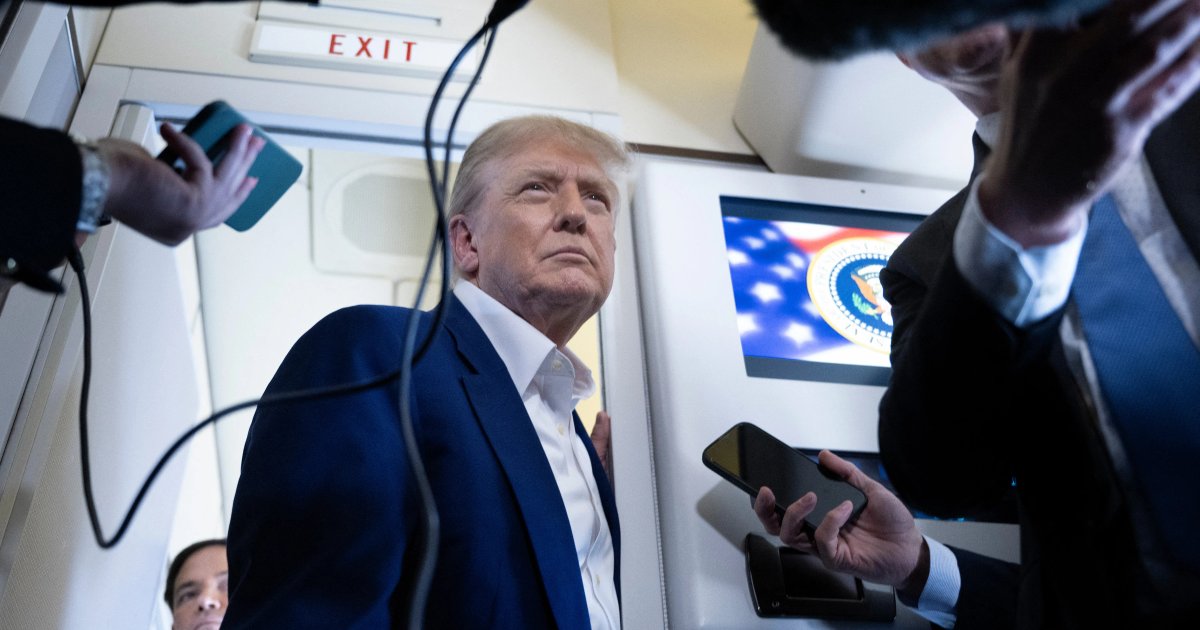
U.S. President Donald Trump has emphasized the need for NATO's involvement, even indirectly, in a potential conflict with Iran. However, many member states have rejected this request, raising questions about his international isolation and its impact on domestic affairs.
Amid escalating tensions between the United States and Iran, Trump is seeking to bolster support from his NATO allies to address increasing security challenges. Nevertheless, reactions from member states have been mixed, with some expressing concern over the potential for military escalation, which has angered Trump, who views this as shirking responsibility.
Details of the Situation
Trump pointed out that NATO should play a larger role in confronting Iranian threats, especially following attacks on Saudi oil facilities that were attributed to Iran. However, several European countries, such as Germany and France, have expressed reluctance to become embroiled in a new military conflict in the Middle East, leading to heightened tensions between Trump and his traditional allies.
This rejection by European nations reflects a divergence in perspectives on how to deal with Iran, as some countries prefer diplomacy and dialogue over military escalation. These nations are concerned that any military intervention could exacerbate conditions in the region and increase civilian suffering.
Background & Context
Historically, relations between the United States and Iran have been strained since the Islamic Revolution in 1979. These relations have seen a notable escalation in recent years, particularly after the U.S. withdrawal from the Iranian nuclear deal in 2018. Since then, the U.S. has imposed severe economic sanctions on Iran, worsening the country’s economic and political conditions.
In this context, Trump is attempting to leverage the current tensions to strengthen his political position domestically, as he faces increasing criticism from the opposition regarding his foreign policy. Additionally, the upcoming presidential elections in the United States may play a role in his strategy towards Iran, as he seeks to present himself as a strong leader capable of protecting American interests abroad.
Impact & Consequences
If European countries continue to reject NATO's involvement in any military action against Iran, this could lead to Trump's international isolation and weaken his standing in the political arena. Such isolation may also affect U.S. relations with its traditional allies, potentially negatively impacting regional and international security.
Furthermore, any military escalation could provoke violent reactions from Iran, threatening the stability of the entire region. Some analyses have warned that any military intervention could spark a full-scale war in the Middle East, which many major powers wish to avoid.
Regional Significance
Arab countries neighboring Iran, such as Iraq and Saudi Arabia, are among those most affected by the current tensions. Any military escalation could have negative repercussions on security and stability in these countries, potentially increasing civilian suffering and exacerbating humanitarian crises.
The situation in Iraq could be significantly impacted, as there are militias linked to Iran that may respond to any U.S. attack. Consequently, the entire region could find itself in a state of instability, requiring Arab nations to adopt cautious stances towards current developments.
In conclusion, Trump faces significant challenges in his policy towards Iran, as pressures mount both domestically and internationally. With European nations continuing to reject his calls for military involvement, he may find himself in a difficult position that reflects his international isolation and its effects on domestic affairs.