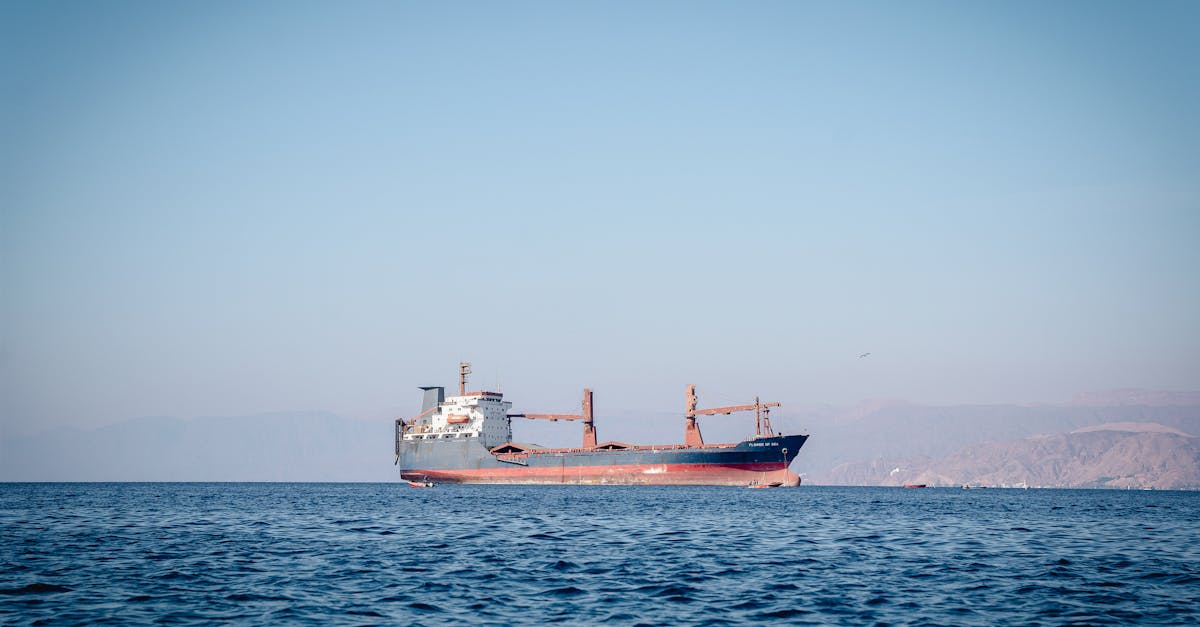
All eyes are on President Donald Trump as the deadline he set for Iran approaches, ending on Tuesday, regarding the opening of the Strait of Hormuz to maritime traffic. Amid escalating tensions between the United States and Iran, Trump has issued new threats concerning military strikes against Iran if it does not agree to his terms.
The planned strikes are set to begin at 8 PM Washington time (01:00 GMT) on Tuesday, with Trump asserting that every bridge and power station in Iran will be targeted for destruction. He emphasized that his military options remain open, stating, "Nothing is off the table."
Details of the Situation
As the deadline nears, it appears that Iran is unwilling to comply with Trump's demands. Tehran has rejected a temporary ceasefire and presented its own list of demands, which an American official described as "extreme." This situation places Trump in a sensitive position, as he may be forced to extend the deadline for the fourth time in three weeks.
If Trump backs down from his threats after making such strong statements, it could negatively impact his credibility amid ongoing conflict. However, Trump seems to believe that Iran may be willing to negotiate, stating, "We have an active and willing participant on the other side."
Background & Context
Historically, the Strait of Hormuz is a vital strategic point, through which about 20% of the world's oil passes. The region has witnessed increasing tensions in recent years, particularly following the United States' withdrawal from the nuclear agreement with Iran in 2018. This withdrawal has escalated tensions between the two nations, with the United States accusing Iran of supporting armed groups in the region.
Additionally, American military operations in the area, including airstrikes against Iranian targets, have heightened the conflict. Meanwhile, Iran is seeking to bolster its military position by developing its missile capabilities.
Impact & Consequences
If an agreement is not reached, American military strikes could lead to a significant escalation in the conflict, negatively affecting regional stability. Some analysts suggest that military pressure could provoke a strong Iranian response, increasing the risk of a broader conflict.
The economic pressures resulting from American sanctions may also impact the Iranian economy, potentially forcing the government to make difficult decisions in the face of internal and external pressures.
Regional Significance
Arab countries are directly affected by any escalation in the conflict between the United States and Iran. Gulf states, which rely on the stability of maritime traffic in the Strait of Hormuz, may face negative repercussions on their economies if tensions persist. Furthermore, any escalation could lead to increased sectarian tensions in the region.
In conclusion, the question remains whether Iran will respond to Trump's demands and whether the United States will continue its military pressure. The coming days will be crucial in determining the course of events in the region.