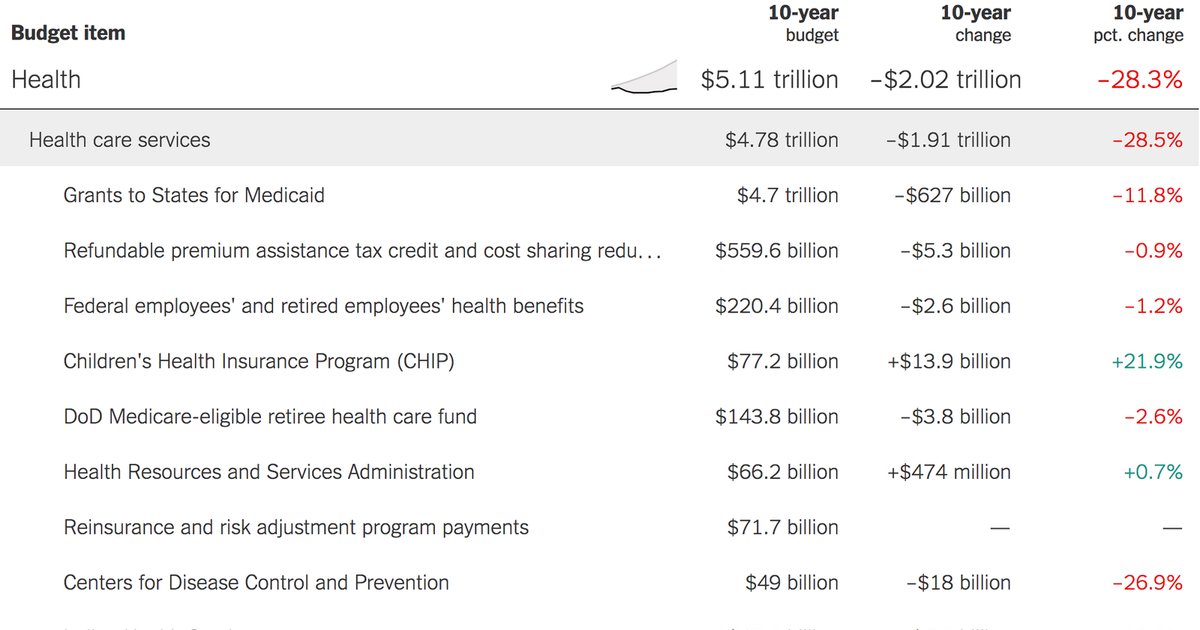
U.S. President Donald Trump has unveiled his proposed budget for 2024, which includes a significant 10% reduction in non-mandatory government spending, alongside a notable increase in the defense budget. This proposal comes as the administration seeks to reduce the financial deficit and enhance military strength amid rising global tensions.
The proposed budget also directs more funds towards defense programs, as the administration aims to bolster the military capabilities of the United States in response to increasing security challenges, particularly from countries like China and Russia. Trump has indicated that this step is essential to ensure U.S. military superiority on the international stage.
Details of the Proposal
The proposed budget includes cuts to several social programs, including education and healthcare, raising concerns among many lawmakers and activists. Trump is expected to face resistance from Democrats in Congress, who argue that these cuts will negatively impact vulnerable segments of society.
On the other hand, Trump emphasized that increasing military spending will help enhance national security, noting that the world has become more dangerous and that the United States needs to be prepared to face any threats. He also highlighted the importance of investing in advanced military technology.
Background & Context
Historically, the United States has seen significant changes in its defense budgets during times of crisis. In recent years, the defense budget has increased markedly, with additional funds allocated to address threats from competing nations. This proposal comes at a time when the world is experiencing increasing geopolitical tensions, underscoring the importance of strengthening military capabilities.
In past years, defense budgets received broad support from both parties, but with rising economic pressures, discussions have begun on how to balance military spending with social programs.
Impact & Consequences
This proposal is expected to have a significant impact on U.S. domestic policy. If the budget is passed, it could lead to cuts in many social programs that American citizens rely on, potentially provoking strong reactions from civil society. Additionally, increased military spending may escalate tensions with competing nations, raising the likelihood of new conflicts.
Moreover, this proposal could affect U.S. relations with its allies, as some may be concerned that a focus on military spending could come at the expense of cooperation in other areas such as economic development and humanitarian assistance.
Regional Significance
For the Arab region, this budget could have important implications. Increased U.S. military spending may mean enhanced military support for allied countries in the region, potentially affecting regional balances. Furthermore, the focus on strengthening military capabilities could heighten tensions in conflict areas such as Syria and Yemen.
At the same time, cuts in social programs may impact U.S. aid to Arab countries, potentially leading to a reduction in economic and developmental support in the future.
The proposed budget by Trump reflects the current administration's trends towards strengthening military power and reducing social spending, raising questions about the political and economic future of the United States and its impact on the world, particularly the Arab region.