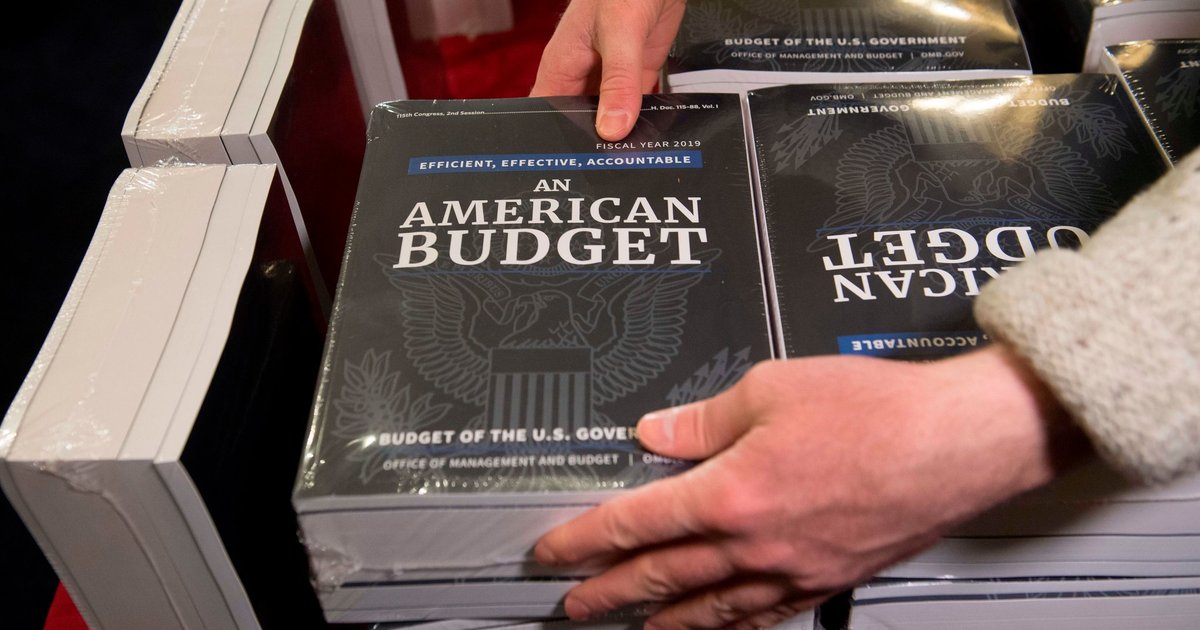
In a controversial move, former President Donald Trump has announced his proposal to cut 9,400 employees from the Transportation Security Administration (TSA), along with a budget reduction of $1.5 billion. This step is part of Trump's strategy to restructure the government and achieve significant spending cuts.
This proposal is seen as part of Trump's vision for managing the government more efficiently, as he seeks to reduce what he considers excessive government expenditures. The proposal has elicited mixed reactions among his supporters and opponents, with some viewing it as necessary given the current economic conditions, while others see it as a threat to national security.
Details of the Proposal
These proposals come at a sensitive time for the United States, which is facing significant economic challenges. Through these cuts, Trump aims to redirect resources to areas he deems more important. He has indicated that the TSA needs to reassess its role and efficiency.
It is worth noting that the TSA was established following the September 11, 2001 attacks and plays a vital role in securing airports and air travel. Over the years, the agency has undergone significant changes, including an increase in personnel and an expansion of operations.
Background & Context
Historically, the TSA has faced repeated criticism regarding its efficiency and effectiveness. In recent years, there has been a spotlight on the need to improve operations and reduce costs. Trump's proposal comes in this context, as he seeks to strike a balance between security and cost-effectiveness.
Moreover, the proposed cuts could impact the agency's ability to handle potential security threats, raising concerns among experts and analysts. Given the current geopolitical tensions, security in air travel is of utmost importance.
Impact & Consequences
These cuts could have far-reaching effects on U.S. national security. If the proposal is implemented, it may increase pressure on the remaining staff, potentially affecting their performance and ability to manage crises. Additionally, reducing the number of employees could lead to longer wait times at airports, impacting travelers' experiences.
Furthermore, this move may provoke reactions from labor unions representing TSA employees, possibly leading to legal disputes or protests. At the same time, opponents may use this step to highlight the potential risks arising from reducing personnel in the security sector.
Regional Significance
While this proposal appears to focus on domestic U.S. issues, it could have potential implications for the Arab region. Increased security in air travel affects travel and trade between the United States and Arab countries. Any decline in security levels could impact trade and tourism relations between the two sides.
Additionally, any changes in U.S. security policy may influence how Arab countries address security threats, necessitating a reassessment of their security strategies.
In conclusion, Trump's proposal to cut TSA employees represents a bold step that could carry significant implications for national security and the U.S. economy, as well as its potential effects on international relations.