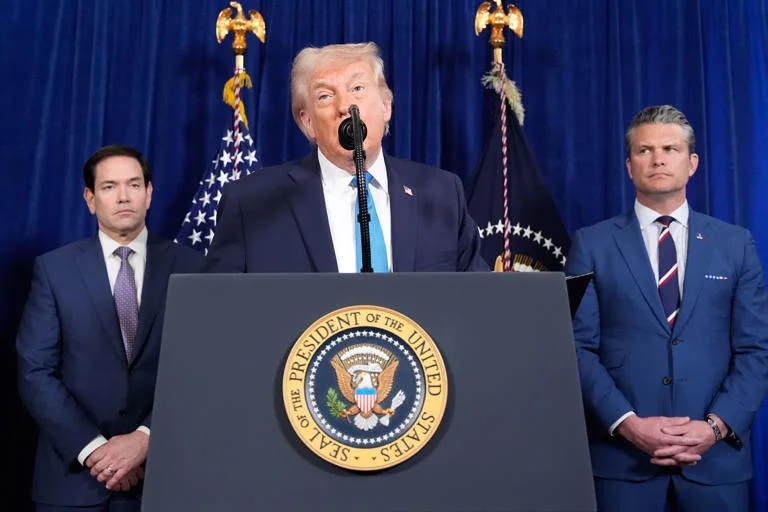
U.S. President Donald Trump has unveiled a proposal for a defense budget of $1.5 trillion for 2027, marking the largest annual increase in U.S. military spending since World War II. This proposal comes at a time when the region is experiencing escalating tensions, particularly with Iran, prompting questions about the potential impact of this budget on U.S. foreign policy.
The U.S. administration aims to bolster its military capabilities in the face of increasing challenges, with reports indicating that this budget will be allocated to increase troop numbers and modernize military equipment, as well as enhance missile defenses. This proposal arrives at a sensitive time, as tensions in the Middle East escalate, forcing the United States to reassess its defense strategies.
Details of the Proposal
The proposed budget includes a significant increase in spending on defense programs, including the development of modern weapons and the enhancement of air and naval capabilities. The budget also allocates additional resources to address cyber threats, which have become an urgent necessity amid rapid technological advancements.
This proposal is part of Trump's strategy to strengthen U.S. military power, as he seeks to demonstrate the strength of the United States in the face of global challenges. The proposal has elicited mixed reactions in political circles, with some viewing it as a necessary step to protect U.S. interests, while others consider it an unjustified escalation of international tensions.
Background & Context
Since taking office, Trump has overseen notable increases in the U.S. defense budget, with more resources allocated to counter the growing threats from countries like Iran and North Korea. In recent years, tensions with Iran have escalated, particularly following the U.S. withdrawal from the nuclear agreement in 2018, which has led to heightened tensions in the region.
Historically, the United States has relied on a large defense budget to ensure its military superiority, but these increases come at a time when domestic economic pressures are mounting, raising questions about the U.S. government's spending priorities.
Impact & Consequences
This increase in the budget is likely to enhance U.S. military capabilities, potentially altering the balance of power in the region. It may also lead to increased tensions with Iran, as Tehran may interpret this move as a direct threat, potentially escalating conflicts.
Furthermore, this budget could affect U.S. relations with its allies in the region, as some allies may feel concerned about military escalation, while others may see it as an opportunity to strengthen security cooperation with the United States.
Regional Significance
This budget is particularly significant for the Arab region, reflecting U.S. trends in addressing regional threats. The increase in military spending may enhance cooperation between the United States and its allies in the region, such as Saudi Arabia and Gulf states, in facing security challenges.
At the same time, this move could lead to increased tensions with Iran, potentially affecting stability in the region. Arab countries must closely monitor developments, as any escalation in tensions could impact regional security and the economy.
In conclusion, the proposal to increase the U.S. defense budget represents a strategic step aimed at enhancing military capabilities amid growing challenges. However, the potential impact of this move on international relations and regional security requires careful monitoring and ongoing analysis.