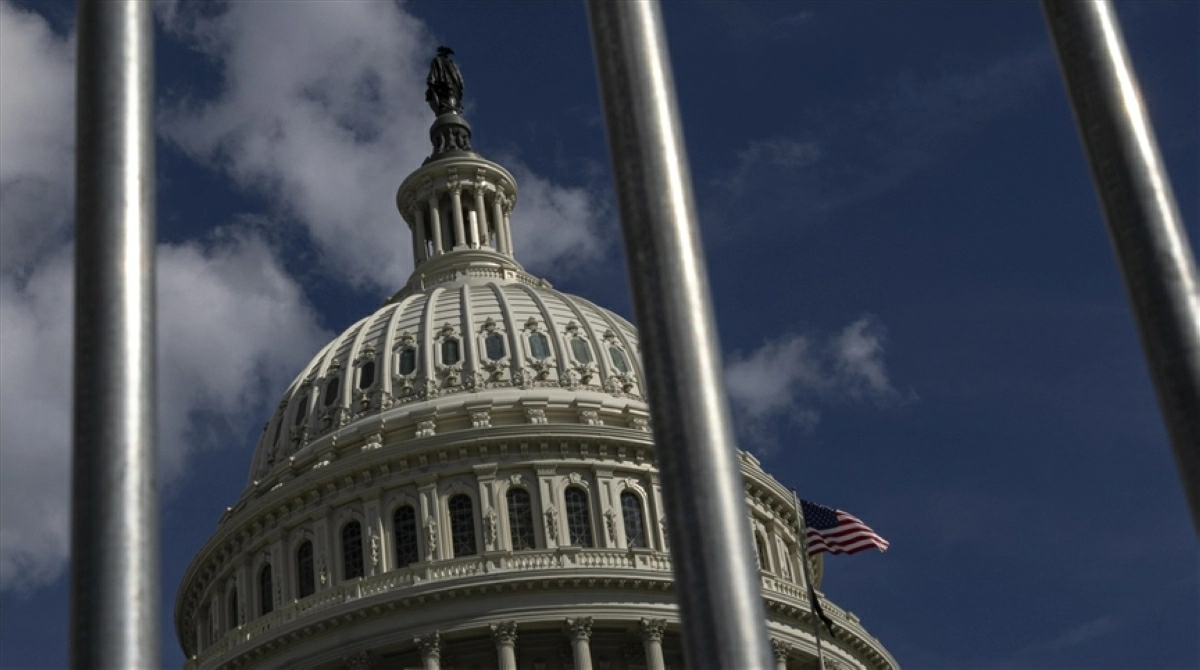
U.S. President Donald Trump has unveiled a proposal for a record-breaking defense budget of $1.5 trillion for fiscal year 2027, marking the largest military spending request in U.S. history. The proposal includes $1.15 trillion in discretionary defense spending and $350 billion in mandatory resources. At the same time, the administration aims to reduce non-defense discretionary spending by 10%, which amounts to approximately $73 billion, as part of its efforts to cut domestic programs.
This proposal comes amid increasing political pressures related to the ongoing war with Iran, as Trump seeks to bolster U.S. military capabilities in the face of rising security challenges. Although Congress is not expected to approve all proposed cuts to domestic programs, the budget will shape financial discussions on Capitol Hill and set spending priorities for the administration ahead of the midterm elections in November.
Details of the Proposal
The proposed budget includes a significant increase in military spending, reflecting the U.S. administration's commitment to enhancing military capabilities in response to global threats. The new budget encompasses investments in advanced military technology, strengthening naval and air forces, as well as increasing salaries and benefits for Department of Defense personnel.
The administration is striving to balance enhancing military capabilities while cutting spending on domestic programs, which may spark widespread controversy in Congress. Observers expect resistance from some members who believe that cuts to social programs could negatively impact American citizens.
Background & Context
Historically, the United States has seen significant increases in defense budgets during periods of military tensions. In recent years, tensions with Iran have escalated, prompting the administration to reassess its military strategies. Additionally, security challenges posed by countries like China and Russia contribute to pressure on the defense budget.
This move comes at a sensitive time, as Trump faces both domestic and foreign political challenges. Upcoming elections could significantly influence defense policy directions, making it essential for the administration to demonstrate its commitment to national security.
Impact & Consequences
The proposed budget is expected to affect the United States' international relations, particularly with countries it considers threats. Increased military spending could lead to heightened tensions with Iran and other regional nations, potentially exacerbating existing conflicts.
Moreover, cuts to domestic programs may impact the U.S. economy, potentially leading to job losses in certain sectors. These dynamics could provoke negative reactions from voters, influencing the outcomes of the upcoming elections.
Regional Significance
The U.S. defense budget is a crucial component of military strategy in the Middle East, where the United States plays an important role in supporting its allies in the region. Increased military spending may mean enhanced military support for allied Arab nations, but it could also escalate tensions with regional powers like Iran.
Under these circumstances, Arab countries must closely monitor developments in U.S. defense policy, as this budget could significantly affect security and stability in the region.