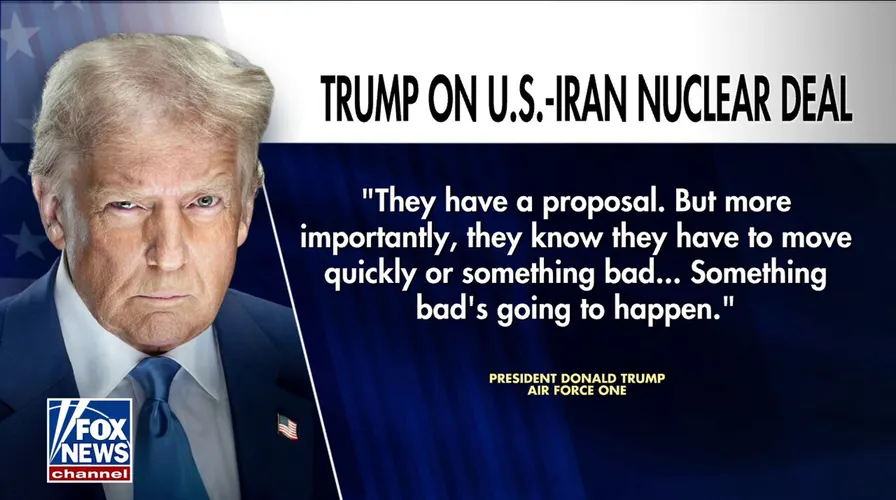
Sources indicate that the Trump administration has proposed a temporary truce in the conflict with Iran, which includes 15 key conditions, primarily focused on dismantling Iran's nuclear program. This proposal was conveyed to Tehran through the Pakistani Prime Minister's office.
The details suggest that the American proposal includes strict conditions, including a complete halt to uranium enrichment and the surrender of over 400 kilograms of enriched uranium. This proposal comes at a sensitive time, as tensions between Iran and the United States are escalating amid fears of potential military escalation.
Details of the Proposal
The American list includes 15 main points that focus on completely dismantling Iran's nuclear program, which is considered one of the core objectives of American foreign policy towards Tehran. The proposal also requires Iran to commit to halting all activities related to uranium enrichment, which is seen as a prerequisite for any future negotiations.
This set of conditions is expected to provoke mixed reactions from the Iranian government, which has consistently asserted its right to develop a peaceful nuclear program. At the same time, this move could revive long-stalled nuclear talks, opening the door to the possibility of reaching a new agreement.
Background & Context
The roots of the conflict between the United States and Iran date back decades, with increasing tensions between the two countries since the Iranian Revolution in 1979. Since then, the United States has imposed strict economic sanctions on Iran, significantly impacting the Iranian economy and exacerbating internal crises.
In recent years, tensions have notably escalated following the U.S. withdrawal from the Iranian nuclear deal in 2018, leading to the re-imposition of harsh sanctions on Tehran. In this context, the Trump administration seeks to use economic pressure as a means to achieve its political goals in the region.
Impact & Consequences
If the American proposal is accepted, it could lead to radical changes in the geopolitical landscape of the Middle East. Reaching a temporary agreement could ease tensions, potentially contributing to regional stability.
However, Iran's acceptance of these conditions may pose a significant challenge, as many in Tehran view these terms as a violation of their national sovereignty. Should Iran reject the proposal, the situation may escalate further, increasing the likelihood of military conflict.
Regional Significance
Developments in U.S.-Iranian relations directly impact Arab countries, especially those located in the Gulf region. Many Arab nations fear that any military escalation between the United States and Iran could destabilize the region, adversely affecting security and the economy.
At the same time, some Arab countries may seek to benefit from any potential improvement in U.S.-Iran relations by enhancing economic and political cooperation. However, the question remains as to how well these countries can adapt to potential changes in U.S. policy towards Iran.
In conclusion, the fate of the American proposal hangs in the balance, depending on the reactions from Tehran and the international community. Any progress in this direction could open new avenues for peace and stability in the region, while failure could exacerbate existing crises.