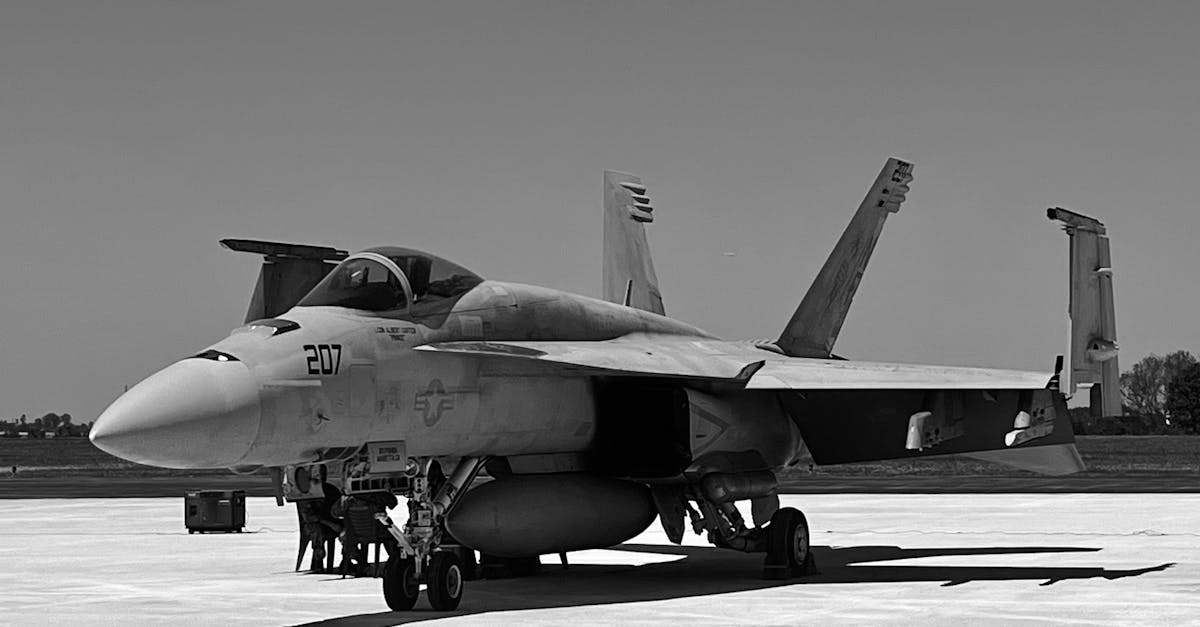
Former U.S. President Donald Trump has announced his willingness to stop military strikes against Iran, raising questions about the potential end of the ongoing conflict. This statement comes at a sensitive time as the region faces increasing tensions, with fears of military escalation that could have serious implications for regional and international security.
In remarks made during a press conference, Trump confirmed that he is ready to negotiate with Iran and halt military operations if Tehran shows a willingness for dialogue. This step is seen as a significant shift in the policy of the previous U.S. administration towards Iran, which was characterized by escalation and mutual threats.
Details of the Announcement
Trump's statements come at a time when the world is witnessing significant shifts in foreign policy, with attention turning to how the United States will handle Iran after years of tensions. Trump, who had taken a hardline stance against Iran during his presidency, now appears more open to the idea of dialogue. This change in stance could have substantial effects on the relations between the two countries and may open the door for new negotiation opportunities.
On the other hand, Iran continues to develop its nuclear program, complicating the situation further. Many countries have warned that any military escalation could lead to catastrophic outcomes, not only for bilateral relations but also for regional stability.
Background & Context
Historically, U.S.-Iranian relations have experienced significant fluctuations, with tensions beginning after the Iranian Revolution in 1979. Since then, the United States has taken numerous punitive measures against Iran, including imposing economic and military sanctions. In 2015, the nuclear agreement was reached, which halted some Iranian nuclear activities in exchange for sanctions relief, but Trump's withdrawal from the agreement in 2018 brought matters back to square one.
Now, with increasing economic pressures on Iran, there seems to be an urgent need for negotiation. Trump's statements may reflect a desire to reassess U.S. policy towards Iran, especially in light of geopolitical changes in the region.
Impact & Consequences
If this new approach is implemented, it could lead to a reduction in military tensions in the region, positively impacting regional stability. Additionally, halting military strikes could contribute to improving relations between the United States and Iran, potentially opening the door for broader dialogue on other regional issues.
However, we must be cautious that these statements could merely be a political maneuver. Iran, facing both internal and external challenges, may be hesitant to respond to such calls without clear guarantees. Thus, any progress in this direction depends on the seriousness of both parties in engaging in dialogue.
Regional Significance
The U.S.-Iranian relationship is a key focal point in regional politics, affecting many Arab countries. Any change in this relationship could reflect on the situations in Iraq, Syria, and Lebanon, where Iran plays a significant role. Furthermore, stability in the Gulf region heavily depends on how the United States interacts with Iran.
Ultimately, the question remains open as to whether these statements will translate into practical steps towards peace or remain mere words in the air. The developments in the coming days and weeks will be crucial in determining the trajectory of U.S.-Iran relations and the extent of its impact on the entire region.