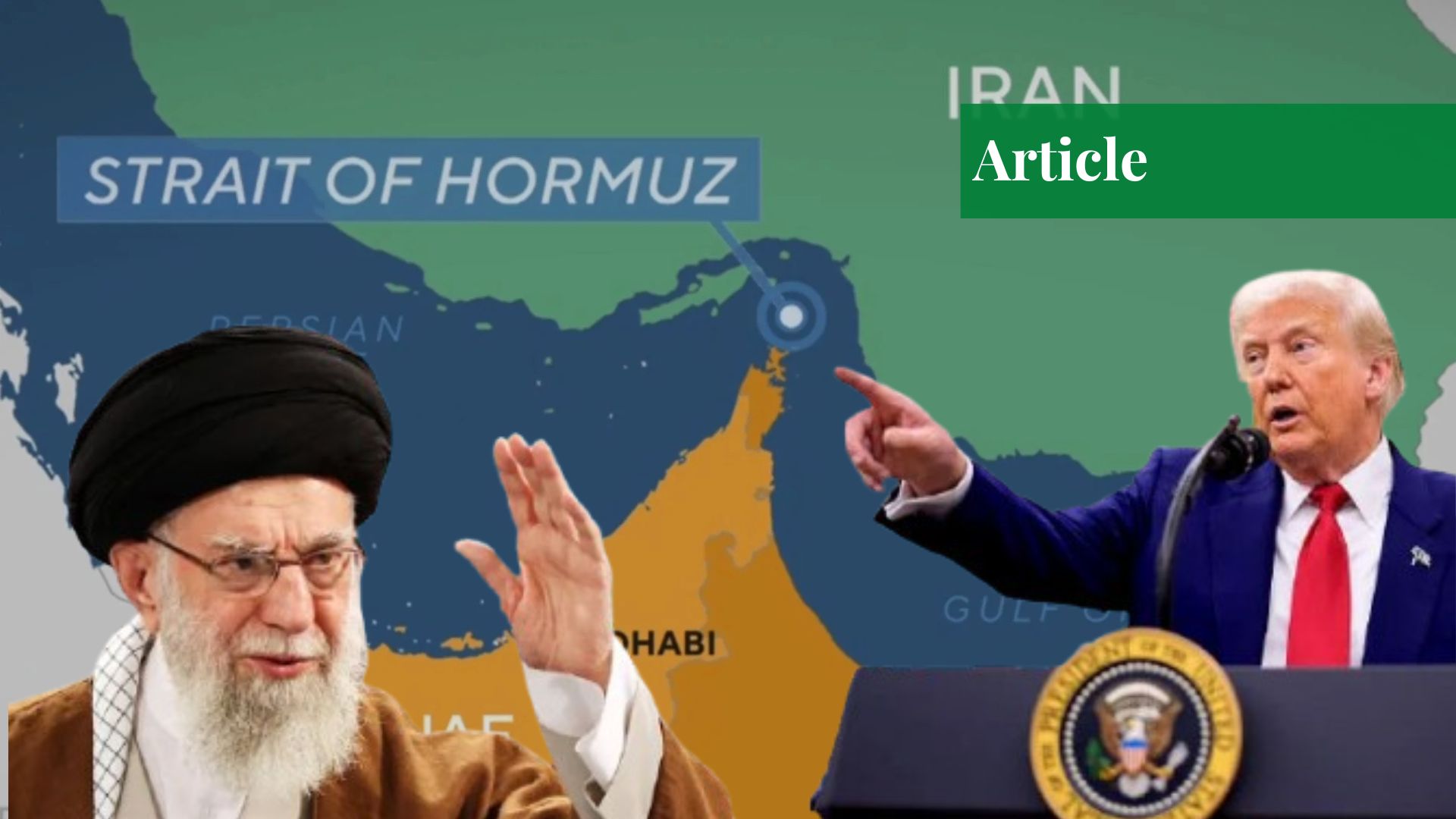
U.S. President Donald Trump confirmed that he will not consider a ceasefire in the region until the Strait of Hormuz, one of the world's most crucial maritime passages, is reopened. These statements come at a sensitive time as tensions between the United States and Iran escalate, raising fears of a potential military confrontation in the area.
In remarks to reporters, Trump clarified that reopening the strait is a prerequisite for any future negotiations. This comes amid increasing threats from Iran, which has threatened to close the strait if U.S. pressures continue. These statements reflect Trump's hardline policy towards Iran, which focuses on economic and military pressure.
Details of the Event
Trump's statements are part of his broader strategy towards Iran, as he seeks to bolster the U.S. position in the region. The Strait of Hormuz is a vital transit point for oil transport, with approximately 20% of the world's oil supply passing through it. Any closure of the strait would lead to a spike in oil prices and impact the global economy.
At the same time, Iran continues to enhance its military capabilities in the region, further escalating tensions. Reports indicate that Iran has increased its military presence in areas near the strait, raising the likelihood of military clashes.
Background & Context
The roots of tensions between the United States and Iran date back several decades, with relations between the two countries deteriorating since the Iranian Revolution in 1979. Since then, the United States has imposed economic sanctions on Iran, significantly affecting its economy. In recent years, these tensions have intensified following the U.S. withdrawal from the Iranian nuclear deal in 2018.
This withdrawal led to the reimposition of severe sanctions on Iran, prompting it to take escalatory steps in its nuclear program. Recent events, such as attacks on oil tankers in the Gulf, have further heightened tensions and prompted the United States to bolster its military presence in the region.
Impact & Consequences
If tensions continue to escalate, it could lead to an open military conflict in the region. This would have significant implications for both regional and global security. Any escalation in the area could affect global oil prices, potentially increasing energy costs for consumers worldwide.
Moreover, the ongoing tensions could impact relations between the United States and its allies in the region, including Gulf countries. These nations heavily rely on regional stability to ensure their economic and political security.
Regional Significance
Arab nations, particularly those in the Gulf, find themselves at the heart of these tensions. Any escalation in the conflict between the United States and Iran could have serious repercussions for security and stability in the region. Countries like Saudi Arabia and the UAE may find themselves in a difficult position, needing to take clear stances amid these rising tensions.
The situation in Iraq and Syria may also be affected, given Iran's significant presence in both countries. Any escalation could exacerbate humanitarian and security conditions in these nations.
In conclusion, the situation in the region remains tense, with threats continuing from both sides. It is crucial for Arab nations to closely monitor developments and work to enhance their stability and security under these challenging circumstances.