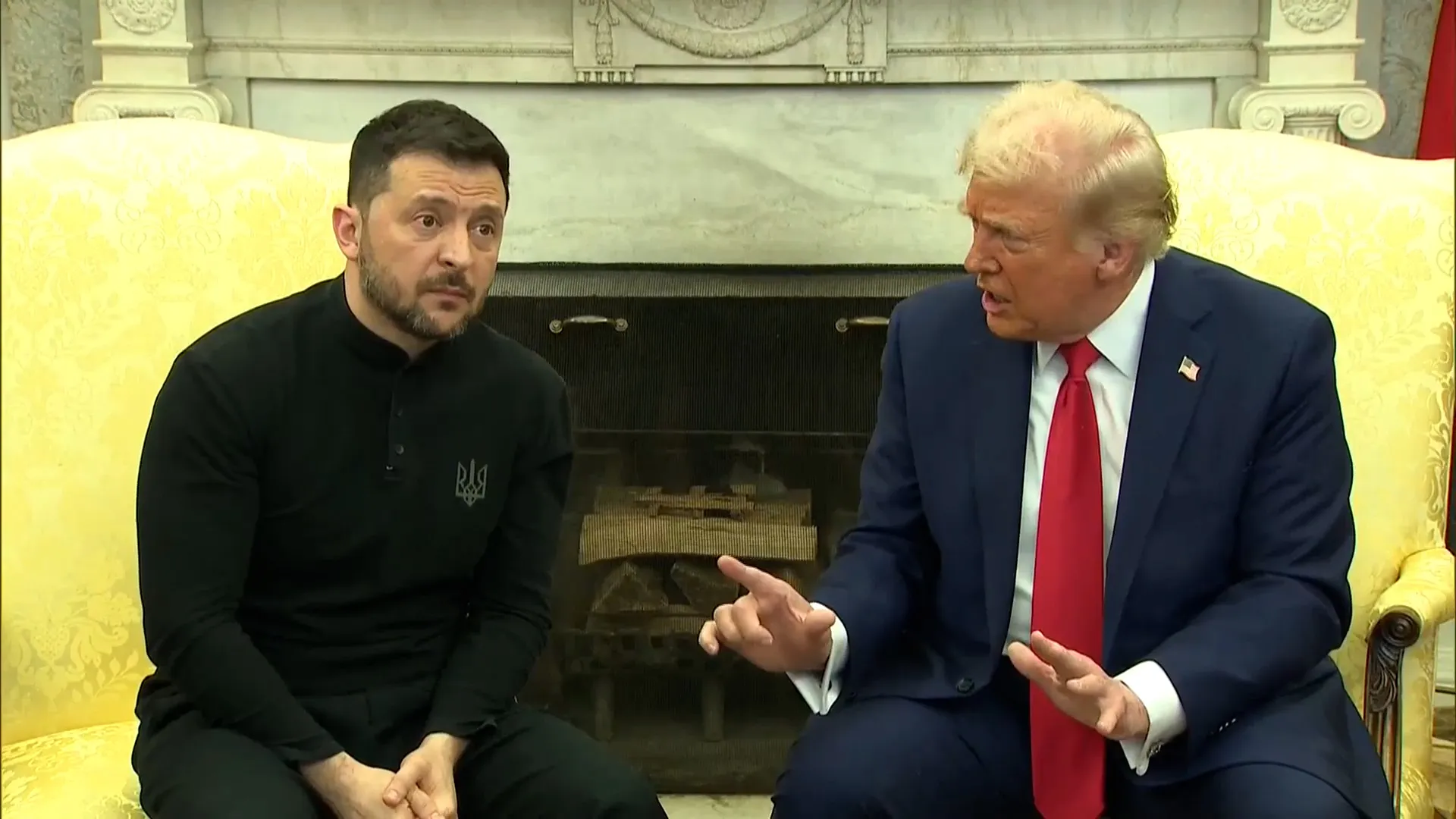
U.S. President Donald Trump has rejected a proposal for a ceasefire lasting 45 days, raising questions about the current situation in the region. This rejection comes at a time when international calls for de-escalation are intensifying, particularly as military actions escalate in several areas.
Trump, facing both internal and external pressures, emphasized that any ceasefire agreement must include clear conditions that ensure U.S. national security. He indicated that the proposed plan does not meet these criteria, reflecting his hardline stance on international crises.
Details of the Proposal
In this context, the proposal was put forward by several European and Arab nations aiming to achieve stability in the region. The proposal centered around halting hostilities for 45 days to provide an opportunity for negotiations and humanitarian aid delivery.
However, in his recent statements, Trump noted that the United States will not back down from its strong position against threats, and any move toward peace must be supported by tangible actions from the involved parties. This stance reflects Trump's strategy of relying on military pressure as a means to achieve political objectives.
Background & Context
Historically, the region has witnessed numerous attempts at ceasefires, but most have failed due to the lack of commitment from the involved parties to the agreed-upon terms. These situations have exacerbated humanitarian crises, with millions suffering from displacement and poverty.
In recent years, tensions in the region have intensified due to ongoing conflicts, making it difficult to achieve any form of stability. U.S. policies have contributed to these tensions, as many countries perceive Washington as adopting biased positions.
Impact & Consequences
Trump's rejection of the ceasefire proposal could lead to an escalation of conditions in the region, further increasing civilian suffering. Additionally, this stance may negatively impact U.S. relations with its allies, who are striving for peace.
Moreover, this rejection could increase pressure on the U.S. administration from the international community, which is calling for progress in the peace process. If hostilities continue, this could adversely affect the global economy, particularly in the energy and trade sectors.
Regional Significance
The Arab region is among the most affected by U.S. decisions, as Washington plays a crucial role in shaping the trajectories of conflicts. Trump's continued rejection of peace proposals could exacerbate crises in countries like Syria, Libya, and Yemen, which are already suffering from the effects of ongoing conflicts.
Ultimately, the question remains about how the international community will respond to Trump's position and whether there is a possibility of achieving peace under these complex circumstances. Hope remains pinned on new diplomatic efforts that may help alleviate tensions.