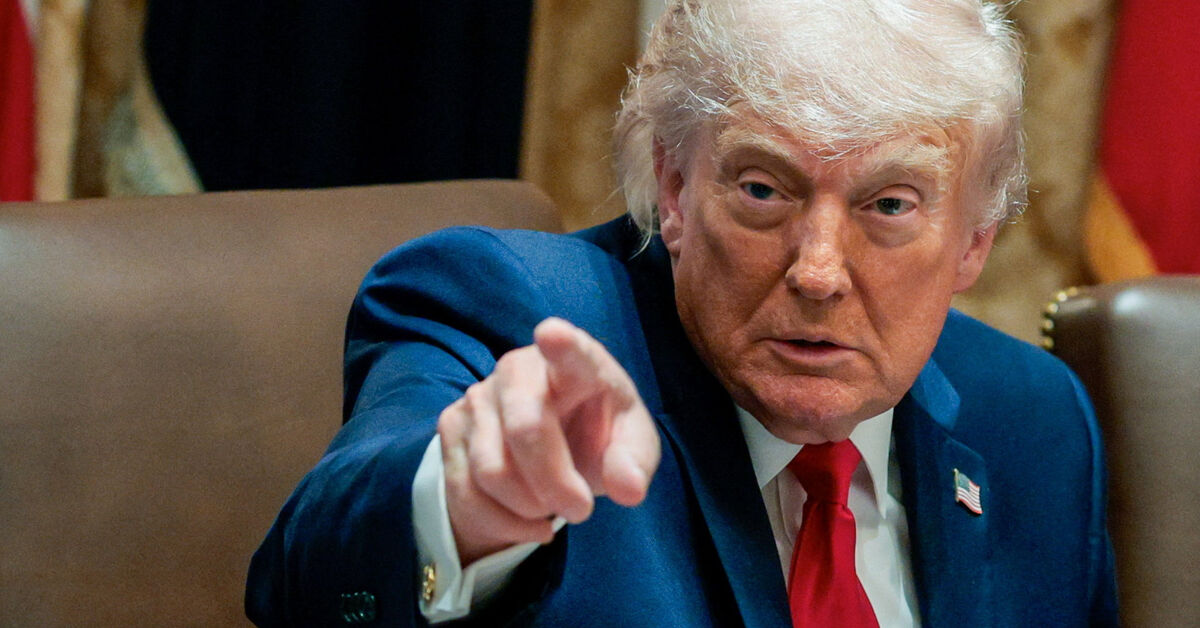
In striking remarks during a Cabinet meeting at the White House, U.S. President Donald Trump stated that he is not concerned about the political pressures that may arise from a long-term conflict with Iran. He clarified that Iranian leaders have miscalculated if they believe the midterm elections in November will force him into negotiations with them.
Trump remarked, "They thought they could wait until I was under election pressure. But I don't care about the midterm elections." These comments reflect his steadfast stance towards Iran, as he aims to bolster his position on the international stage.
Details of the Event
Trump's statements come at a sensitive time, as tensions between the United States and Iran are escalating. The relationship between the two countries has seen significant deterioration since the U.S. withdrawal from the Iranian nuclear deal in 2018. Since then, Washington has imposed strict economic sanctions on Tehran, leading to a decline in the Iranian economic situation.
Trump, who is seeking re-election, appears determined not to yield to internal and external pressures. He believes that his tough stance on Iran enhances his electoral prospects, as he aims to demonstrate the strength of American leadership in the face of international challenges.
Context and Background
Historically, U.S.-Iranian relations have been strained since the Islamic Revolution in 1979. This relationship has witnessed numerous crises, including the hostage crisis in Tehran, the Iran-Iraq War, and the Iranian nuclear program. In recent years, these tensions have escalated significantly, impacting stability in the Middle East.
The midterm elections in the United States represent a crucial opportunity for political parties to assess their popularity. However, Trump seems to be betting that his hardline approach towards Iran will bolster his support among voters who view Iran as a threat to national security.
Consequences and Impact
Trump's statements may lead to heightened tensions with Iran, as Tehran might feel compelled to respond in a manner that strengthens its internal position. This dynamic could affect regional stability, potentially escalating conflicts in areas such as Iraq and Syria.
Moreover, the continuation of the conflict could impact global oil prices, as many countries rely on regional stability to ensure oil flow. If the situation escalates, we may witness a rise in prices, affecting the global economy.
Impact on the Arab Region
Neighboring Arab countries, such as Saudi Arabia and the UAE, are on high alert to monitor developments in U.S.-Iranian relations. Any escalation in tensions could affect their security and stability. These countries may find themselves needing to adjust their foreign policies based on how the situation evolves.
Ultimately, U.S.-Iranian relations remain one of the most complex issues in international politics, intertwining economic and security interests. Trump appears resolute in his stance, which could lead to further escalation in the future.