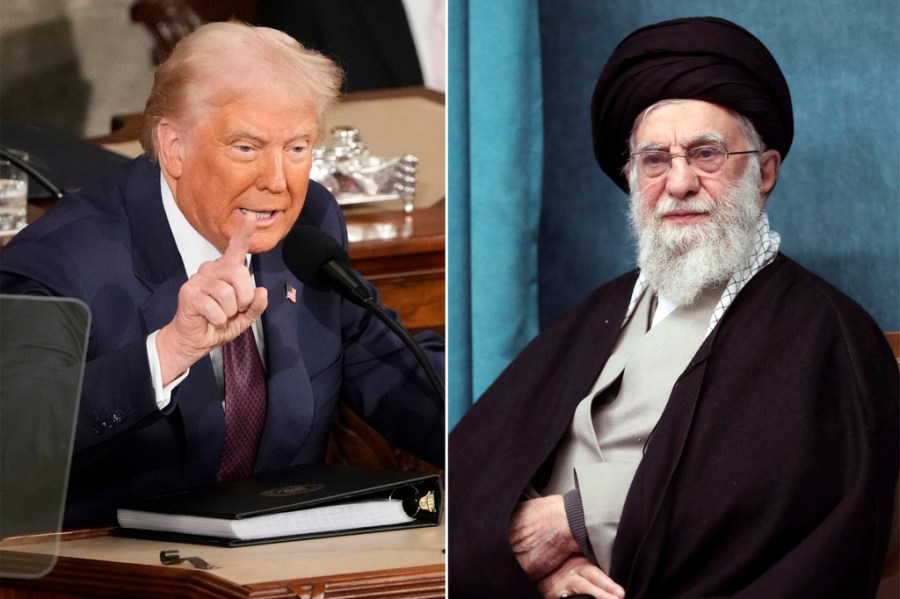
Former U.S. President Donald Trump has rejected Iran's request for a comprehensive ceasefire, indicating that no steps will be taken until a final response is given to the threats posed by Iran. This development comes at a time when the Middle East is experiencing increasing tensions, with fears of a potential military escalation between the United States and Iran.
The American statements followed a series of events in the region, including mutual attacks between Iranian forces and U.S. troops in Iraq and Syria. These remarks reflect Trump's hardline policy towards Iran, which was a hallmark during his presidency.
Details of the Event
According to American media sources, Trump confirmed that he would not negotiate any comprehensive truce with Iran until there is a definitive response to what he described as the "threats" posed by Tehran. This position reflects Trump's unwillingness to make concessions at a time when the U.S. administration considers Iran a threat to regional and international security.
It is noteworthy that Iran had called for a comprehensive ceasefire amid escalating tensions, yet Trump showed no willingness to respond positively to this request. These statements come at a sensitive time, as pressures are mounting on the U.S. administration from its allies in the region, who fear that military escalation could lead to catastrophic outcomes.
Background & Context
Historically, U.S.-Iranian relations have been marked by severe tensions, especially following the U.S. withdrawal from the nuclear agreement in 2018. Since then, Washington has imposed strict sanctions on Tehran, exacerbating the economic and social conditions in the country.
In recent years, Iran has increased its military activities in the region, including its support for militias in Iraq and Syria, raising concerns among the United States and its allies. This complex situation makes it difficult to reach a peaceful resolution and increases the likelihood of military escalation.
Impact & Consequences
Trump's rejection of the Iranian ceasefire could lead to heightened tensions in the region, which may negatively impact regional security. Should hostilities continue, this could threaten the stability of the Gulf Arab states and affect global oil prices.
Furthermore, the continuation of tensions may exacerbate the humanitarian situation in conflict-affected areas, particularly in Iraq and Syria, where populations are suffering from the effects of ongoing conflicts.
Regional Significance
This development is significant for the Arab region, as any escalation between the United States and Iran could directly affect neighboring countries. Many Arab nations, especially those with close ties to Washington, are closely monitoring the situation, fearing that any escalation could destabilize them.
Ultimately, the question remains about how this American stance will affect the future of relations with Iran and whether there is a possibility of reaching an agreement that ensures security and stability in the region.