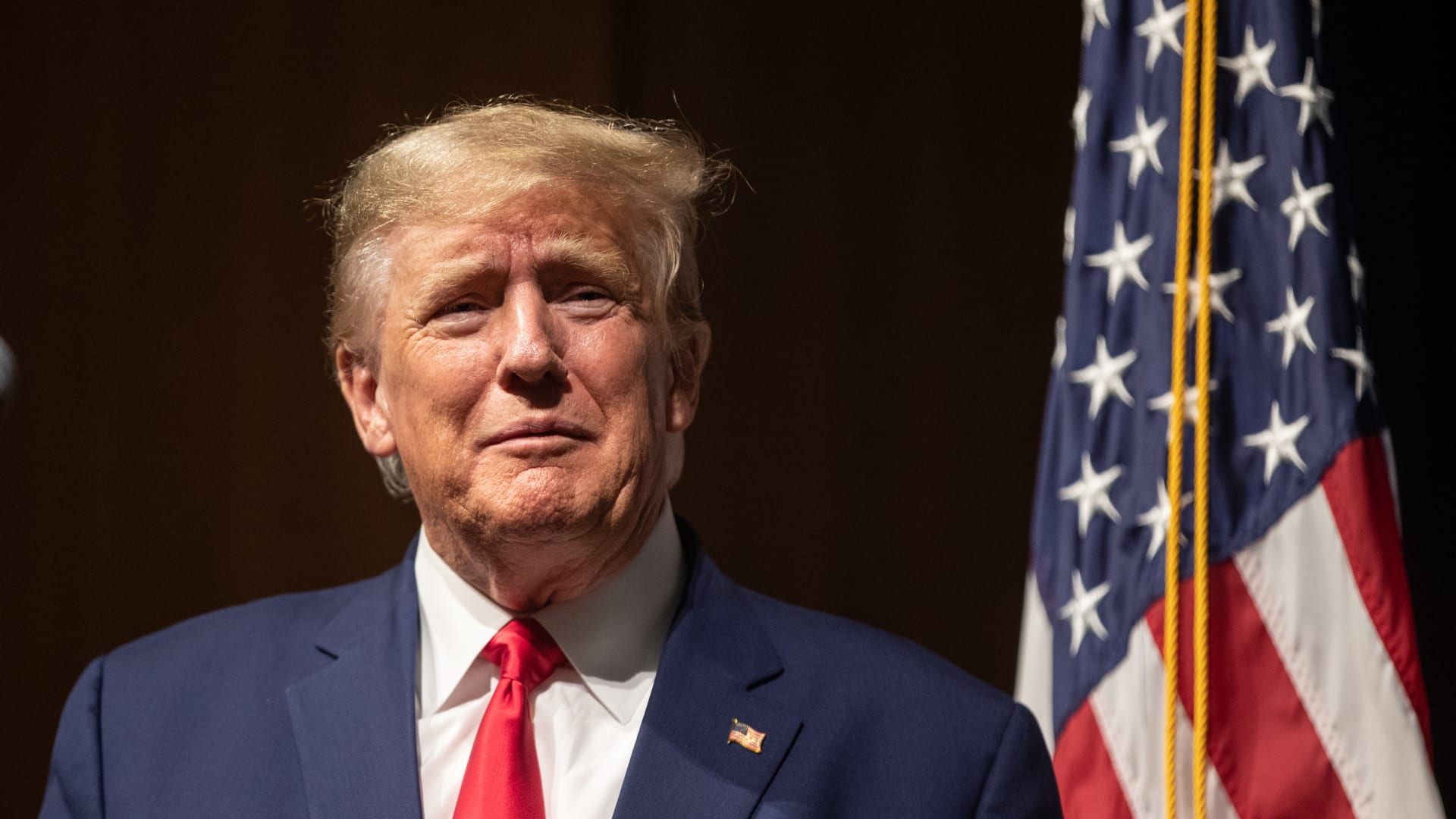
In a significant development, informed sources reported that Israeli Prime Minister Benjamin Netanyahu proposed last week the idea of mobilizing the Iranian street to protest against the Iranian government during Nowruz. However, U.S. President Donald Trump expressed his rejection of this proposal, warning of the dire consequences that could ensue, according to Axios.
During a phone call between Trump and Netanyahu, the U.S. President pointed out that calling people to the streets could lead to tragedies, stating: "Why should we call people to the streets when they will be killed?" These words reflect Trump's concern about the potential violence that could arise from any popular movements against the Iranian regime.
Details of the Event
In the context of the call, Netanyahu claimed that the Iranian regime is facing chaos and that there is a timely opportunity to destabilize it. He suggested that he and Trump issue a coordinated public call for the Iranian people to take to the streets. However, Trump expressed his fears that such a call could lead to a massacre, leading them to agree to hold off and monitor the situation.
The day following the call, which coincided with Nowruz, Iran did not witness any protests, despite repeated Israeli and American calls since the onset of the war on February 28, urging Iranians to overthrow the regime.
Background & Context
These developments come at a sensitive time as Israel seeks to bolster its regional position by supporting popular protests against the Iranian regime. Israeli officials indicated that the assassination of Basij commander Gholam Reza Soleimani was aimed at igniting a popular uprising, as Soleimani was responsible for suppressing protests in Iran.
On March 17, Netanyahu sent a direct message to the Iranian people on the occasion of Nowruz, announcing that Israel had eliminated two "terrorist leaders of the Iranian regime," referring to Soleimani and former Secretary-General of the Iranian Supreme National Security Council Ali Larijani. He called on Iranians to celebrate Nowruz, stating: "We are watching from above."
Impact & Consequences
These events are indicative of the escalating tensions between the United States and Iran, as both Trump and Netanyahu seek to exploit the political circumstances in Iran to their advantage. However, concerns about violence and casualties may hinder any potential popular movements.
Moreover, Trump's statements at the beginning of the war about the Iranian people having an opportunity to take control after the end of U.S. combat operations have not been reiterated frequently, reflecting a decline in U.S. commitment to regime change in Iran.
Regional Significance
The repercussions of these events extend beyond Iran, impacting regional stability in the Middle East. Any popular movements against the Iranian regime could escalate tensions between Tehran and its allies in the region, including Iraq, Syria, and Lebanon.
Additionally, the stance of the United States and Israel regarding the Iranian protests may provoke mixed reactions in Arab countries, as this could be perceived as interference in the internal affairs of a sovereign state.
In conclusion, the situation in Iran remains under observation, as both Trump and Netanyahu look to achieve their strategic goals in the region, despite the potential risks that may arise from any popular movements against the Iranian regime.