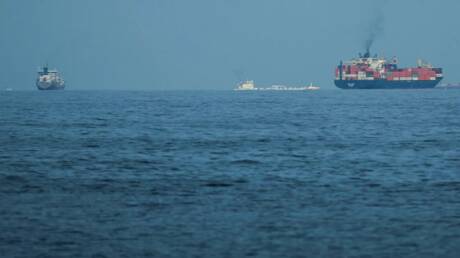
U.S. President Donald Trump has announced his refusal to secure navigation in the Strait of Hormuz, which has raised questions about the motivations behind this decision. In this context, economic expert Igor Yushkov believes that Trump's statements could be a calculated diplomatic maneuver aimed at drawing NATO into the conflict in the Middle East.
The Strait of Hormuz is a vital strategic point, through which approximately 20% of total global oil exports pass. This decision comes at a sensitive time as the region experiences increasing tensions, particularly following the escalation of tensions between the United States and Iran.
Details of the Event
Trump's statements came during a press conference, where he confirmed that the United States would not bear the responsibility of securing navigation in the strait, prompting mixed reactions from experts and analysts. Some considered this decision to reflect an American inability to confront security challenges in the region, while others viewed it as a deliberate step aimed at rearranging geopolitical conditions.
On the other hand, media reports have confirmed that Trump is seeking to reduce the American military presence in the Middle East, which may explain this new direction. At the same time, Iran continues its threats to close the strait if its interests are endangered, further complicating the security situation in the region.
Background & Context
Historically, the Strait of Hormuz has been the scene of numerous conflicts and disputes, with the region witnessing recurring tensions between major powers. In recent years, tensions between Iran and the United States have escalated, especially following Washington's withdrawal from the Iranian nuclear agreement in 2018.
This decision comes at a critical time, as Iranian threats against American interests in the region are increasing, raising questions about the United States' ability to protect its interests and those of its allies under these circumstances.
Impact & Consequences
If this decision is implemented, it could lead to serious repercussions for the stability of the region. Gulf countries, particularly those that rely on oil exports through the strait, may feel increasing concern regarding navigation security. Additionally, this decision could strengthen Iran's position and enhance its ability to influence the region.
Moreover, this direction may lead to a decline in the role of the United States as a superpower in the Middle East, opening the door for other powers, such as Russia and China, to enhance their influence in the region.
Regional Significance
The Strait of Hormuz represents a lifeline for Arab oil-producing countries, as their economies heavily depend on oil exports through this strait. Any threat to navigation security in this area could directly impact global oil prices, which may negatively reflect on Arab economies.
Under these circumstances, Arab countries must take proactive steps to ensure navigation security and protect their economic interests, especially amid rising regional tensions.
In light of this complex situation, the question remains regarding the United States' ability to maintain its interests in the region and whether this step reflects a failure or a calculated strategy. Arab countries must be prepared to face upcoming challenges.