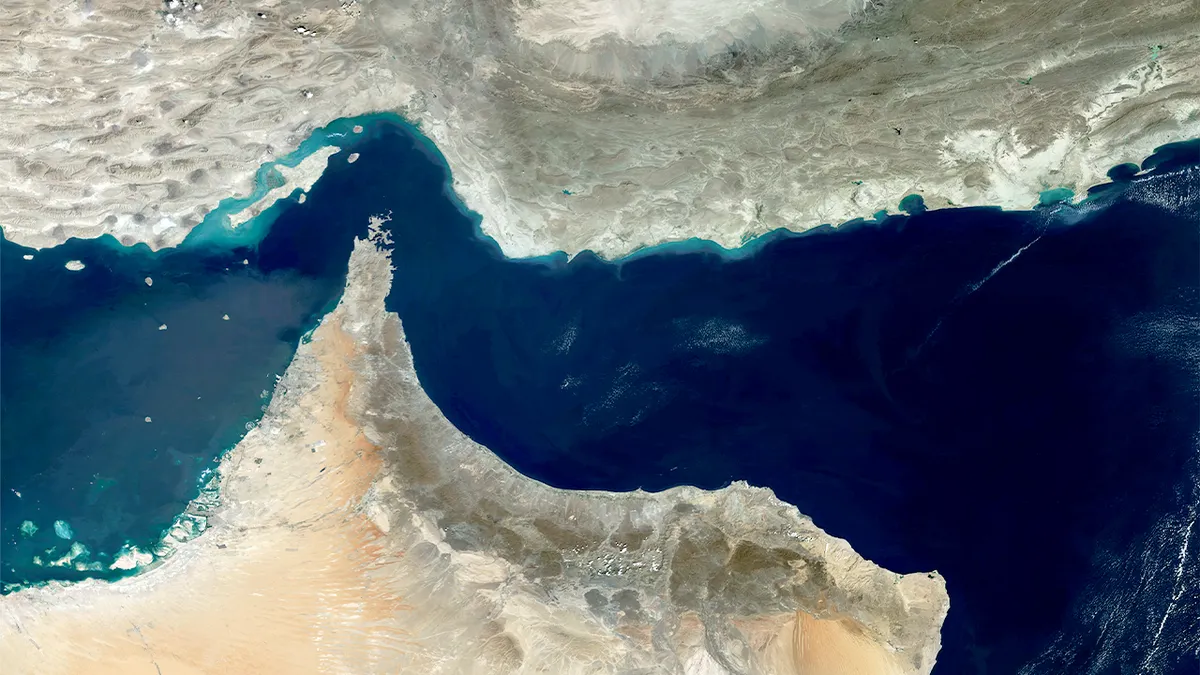
In a controversial statement, U.S. President Donald Trump dubbed the Strait of Hormuz as 'Trump Strait', sparking a wave of comments and ridicule. This remark came during his discussion about the ongoing tensions with Iran, where he urged Tehran to open the strait as a precursor to resolving the existing dispute. Although Trump later clarified that he meant the Strait of Hormuz, the naming has stirred considerable debate.
During an economic forum in Miami, Trump asserted that Iran is 'retreating', indicating that its leadership, military capabilities, and nuclear program have suffered significant damage. Despite Tehran's denial of any negotiations with Washington, Trump insisted that talks are ongoing to end the war.
Details of the Statement
In the context of his remarks, Trump jokingly stated, 'They should open Trump Strait. I mean the Strait of Hormuz. Sorry, what a huge mistake.' He added that he expects the media to cover this statement, emphasizing that he does not make mistakes, 'not often'. These remarks reflect Trump's unconventional style, which often incorporates humor into political discourse.
It is noteworthy that Trump has previously named prominent landmarks, such as his suggestion to rename the 'Gulf of Mexico' to 'Gulf of America', showcasing his unique approach to political issues.
Background & Context
Historically, the Strait of Hormuz is a vital strategic point, through which about 20% of the world's oil passes. The strait has witnessed increasing tensions between the United States and Iran, especially following Washington's withdrawal from the Iranian nuclear deal in 2018. Since then, the intensity of statements and military tensions between both sides has escalated, affecting the stability of the region.
Trump's statements can be seen as part of his strategy to influence public opinion, as he consistently seeks to project strength as a leader. However, using humor in serious contexts may lead to unexpected outcomes, particularly in international relations.
Impact & Consequences
Trump's remarks raise questions about the future of U.S.-Iranian relations, as the insistence on ongoing negotiations despite Tehran's denial could escalate tensions. Additionally, his use of unconventional terminology may affect how other countries perceive U.S. policy in the region.
These statements are likely to elicit mixed reactions from both allies and adversaries alike, with some viewing them as evidence of instability in U.S. politics, while others may see them as a sign of strength and confidence.
Regional Significance
The Arabian Gulf region is among the most affected by the tensions between the United States and Iran. Any escalation in these tensions could have negative repercussions on security and stability in Gulf states. Furthermore, Trump's remarks may raise concerns among Arab nations striving for stability in the region.
In conclusion, Trump's statements reflect his unique style of addressing political issues, but they also raise questions about their impact on international relations in the Arabian Gulf region.