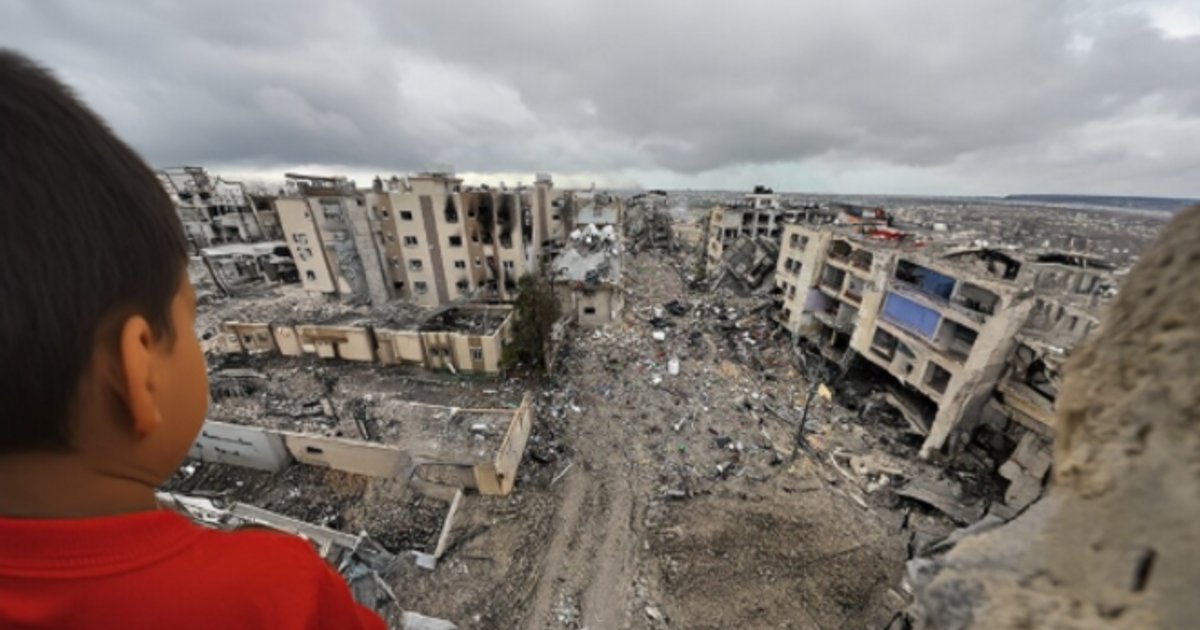
Former U.S. President Donald Trump stated that Iran has suffered devastating strikes, indicating that Tehran is currently seeking to negotiate a new deal with the United States. These remarks come at a sensitive time for the region, where tensions between Iran and the U.S. have escalated since Washington's withdrawal from the nuclear agreement in 2018.
Trump, speaking in a television interview, added that Iran is experiencing significant economic pressures due to the sanctions imposed on it, making it urgently in need of negotiations. He explained that these pressures could lead to a change in the behavior of the Iranian regime, potentially opening the door for new dialogue opportunities.
Details of the Event
Trump's statements come at a time when concerns are growing over Iranian military activities, particularly in the Gulf region. Many observers have noted that Iran may be in a weak position due to the economic and political pressures it faces. These pressures are expected to influence its stance in future negotiations.
Trump also pointed out that the current U.S. administration might have an opportunity to negotiate with Iran, but this would require a clear strategy and coordination with Washington's allies in the region. He believes that any agreement must include strong guarantees to prevent Iran from developing nuclear weapons.
Background & Context
Historically, U.S.-Iran relations have been marked by severe tensions, especially following the Islamic Revolution in 1979. Since then, the U.S. has imposed stringent economic sanctions on Iran, significantly impacting its economy. Trump's withdrawal from the nuclear agreement escalated tensions, as Iran resumed its nuclear activities at an accelerated pace.
In recent years, Iran has sought to enhance its influence in the region by supporting armed groups in Iraq, Syria, and Lebanon, which has heightened tensions with the U.S. and its allies. However, economic pressures may compel Iran to reconsider its strategy.
Impact & Consequences
Trump's remarks could increase pressure on the current U.S. administration to reconsider its policy towards Iran. If Tehran responds to calls for negotiations, this could lead to significant changes in the political landscape in the Middle East.
On the other hand, these statements may provoke mixed reactions from U.S. allies in the region, as some seek to enhance security cooperation in the face of Iranian threats. Additionally, any potential agreement could affect relations between Arab countries and Iran, necessitating a reassessment of regional strategies.
Regional Significance
The relations between Iran and Arab countries are among the most complex issues in the region. Many Arab nations are striving to counter Iran's growing influence, particularly in Iraq, Syria, and Lebanon. Therefore, any developments in negotiations between Iran and the U.S. could directly impact security and stability in the region.
Ultimately, the question remains whether Iran will respond to calls for negotiations and whether the U.S. will take concrete steps towards rebuilding relations. These dynamics could shape the future of regional relations in the coming years.