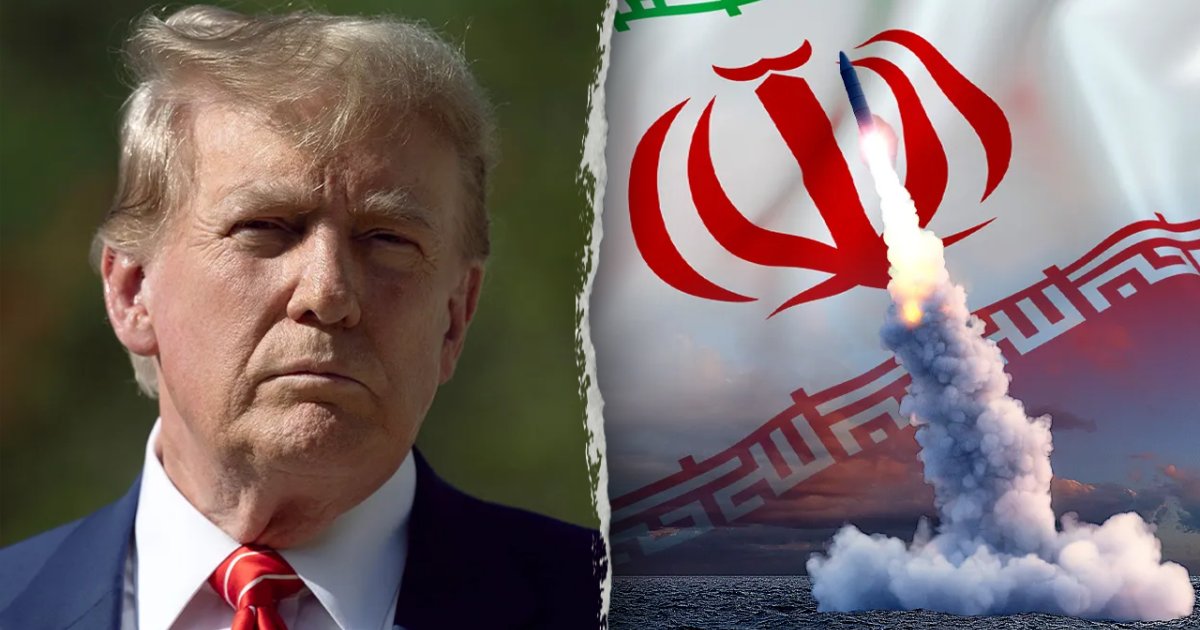
In a controversial statement, U.S. President Donald Trump confirmed that Iran has "submitted" most of its demands to the United States as part of a plan to end the ongoing conflict. This remark came during a conversation with reporters aboard Air Force One on Sunday, where he noted that Iran had presented most of the points, questioning, "Why don’t they do it?"
Trump's statements come at a time when tensions between the United States and Iran are escalating, with the situation remaining unclear regarding whether there are actual negotiations taking place between the two sides. These remarks have raised questions about Iran's true intentions and its willingness to negotiate.
Details of the Event
During his remarks, Trump did not provide specific details about the points submitted by Iran, raising concerns about the transparency of the negotiation process. However, the statement reflects the U.S. administration's desire to make progress in relations with Iran after years of increasing tensions.
Iranian demands typically include issues related to the Iranian nuclear program, support for armed groups in the region, and the economic sanctions imposed on Tehran. It appears that Trump is seeking to use these demands as leverage to pressure Iran into making greater concessions.
Background & Context
U.S.-Iranian relations have been tense since the Islamic Revolution in 1979, which severed diplomatic ties between the two countries. Since then, the relationship has witnessed numerous crises, including concerns over Iran's nuclear program, which has alarmed the international community.
In 2015, a nuclear agreement was reached between Iran and major world powers, but the Trump administration withdrew from the agreement in 2018, leading to an escalation of tensions. Since then, the United States has imposed strict economic sanctions on Iran, significantly impacting its economy.
Impact & Consequences
If Iran has indeed made concessions, it could have a significant impact on the future of relations between the two countries. This could lead to a de-escalation of tensions in the region and provide a new impetus for negotiations regarding Iran's nuclear program.
However, the question remains about how serious Iran is about negotiating, especially in light of ongoing U.S. sanctions. These dynamics could complicate any attempts to reach a comprehensive agreement.
Regional Significance
The U.S.-Iranian relationship is pivotal in determining the stability of the Arab region. Any progress in negotiations could positively reflect on Arab countries, especially those directly affected by the Iranian-American conflict.
On the other hand, any failure in negotiations could escalate tensions, threatening regional security and exacerbating existing conflicts in areas such as Yemen and Syria.
In conclusion, the situation in the region remains sensitive, and the future of U.S.-Iran relations depends on the seriousness of both parties in negotiating and reaching peaceful solutions.