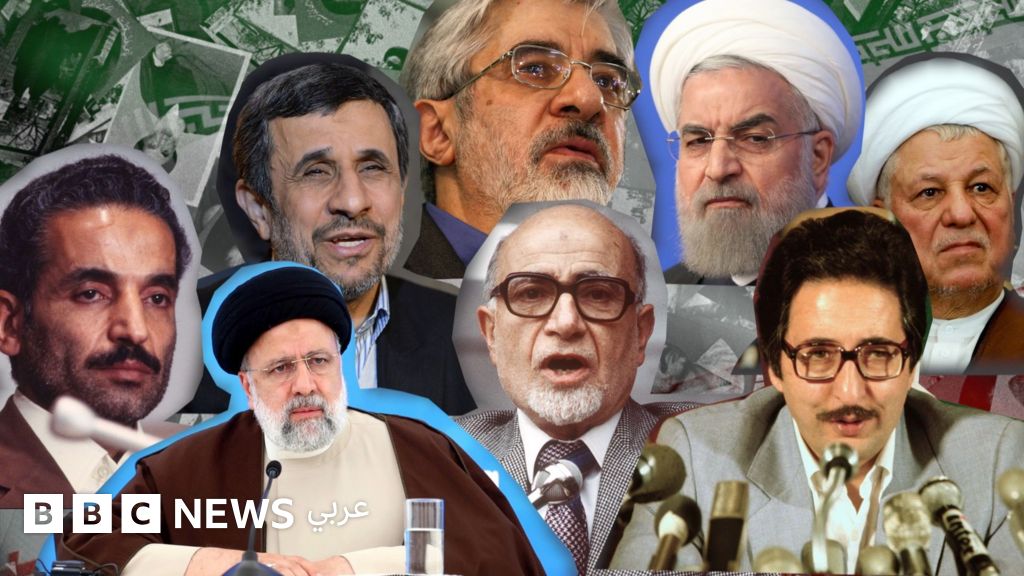
U.S. President Donald Trump stated on Wednesday that Iranian leaders are negotiating with the United States, despite their denials to their people. These remarks come at a sensitive time when relations between Washington and Tehran are experiencing increasing tensions, as both sides seek solutions to the numerous crises plaguing the region.
Trump, speaking during a press conference, indicated that Iranian leaders are living in fear of their people's reactions if the details of the negotiations are revealed. His statements reflect the depth of the political crisis facing Iran, where the regime is encountering both internal and external challenges.
Details of the Negotiations
Trump's comments come as indirect negotiations between the United States and Iran continue, focusing on multiple issues, including the Iranian nuclear program and Tehran's support for armed groups in the region. Although Trump did not provide specific details about the nature of these negotiations, his remarks suggest that communication channels exist between the two sides.
It is noteworthy that Iran has faced increasing international pressure due to its nuclear program, prompting it to seek diplomatic solutions. However, the Iranian regime is also facing internal challenges, as public protests against government policies are rising, complicating the situation further.
Background & Context
Historically, relations between the United States and Iran have been fraught with tension since the Islamic Revolution in 1979. These tensions escalated particularly after the U.S. withdrawal from the Iranian nuclear deal in 2018, leading to the imposition of severe economic sanctions on Tehran. In recent years, Iran has sought to enhance its influence in the region by supporting armed groups in Iraq, Syrian, and Lebanon, raising concerns in Washington and among its allies.
In this context, the current negotiations present an opportunity for both parties to reassess their strategies. However, skepticism and distrust between the two sides remain, making it difficult to reach a comprehensive agreement.
Impact & Consequences
Trump's recent statements could influence the course of negotiations, potentially bolstering the position of hardliners in Iran who oppose any form of dialogue with the United States. Furthermore, these remarks may escalate tensions in the region, as some parties might feel the need to take more decisive actions against Iran.
Moreover, the continuation of negotiations could open the door to new opportunities for regional cooperation, especially in light of the shared security challenges faced by countries in the region. However, the question remains about Iran's ability to negotiate under the internal and external pressures it faces.
Regional Significance
The developments in U.S.-Iranian relations have significant implications for the Arab region. Arab countries, especially those sharing borders with Iran, are closely monitoring these negotiations, fearing any escalation that could destabilize the region.
Any progress in the negotiations could positively impact relations between Iran and Arab countries, especially if an agreement is reached to ensure that Iran does not develop nuclear weapons. However, doubts about Iran's intentions persist, complicating the achievement of lasting stability in the region.
In conclusion, U.S.-Iranian relations remain shrouded in uncertainty, where political and economic interests intertwine with security challenges. As negotiations continue, hope remains for the possibility of reaching solutions that guarantee security and stability in the region.