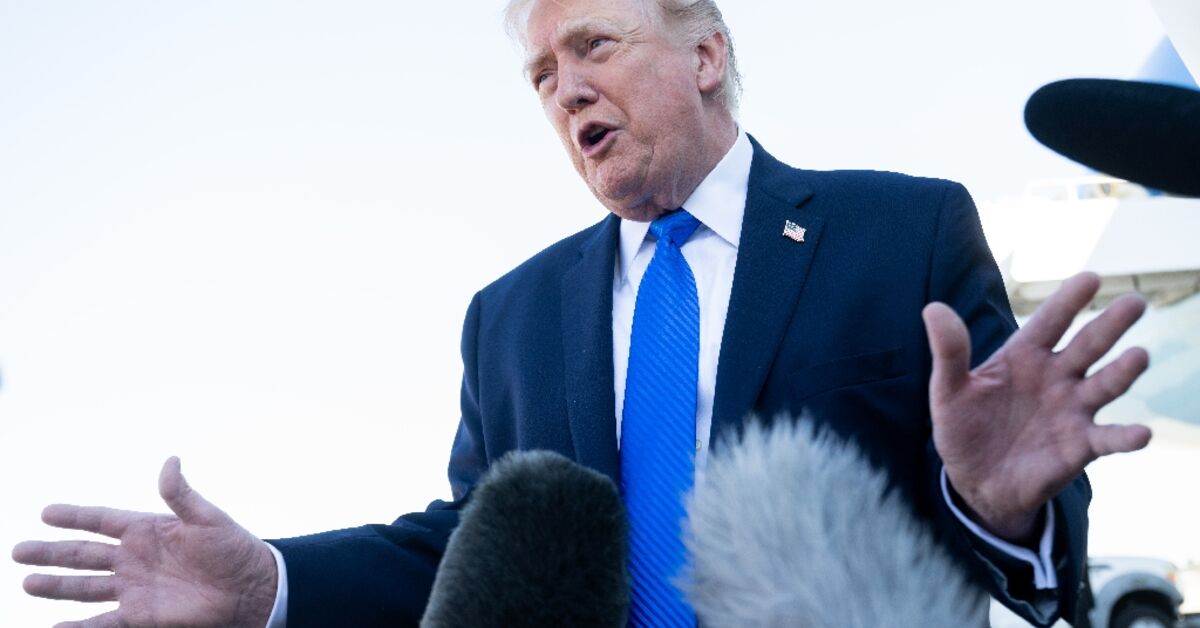
Amid escalating tensions between the United States and Iran, President Donald Trump revealed that a prominent figure in the Iranian regime is negotiating with Washington regarding the future of the country. Trump indicated that this figure is considered the "most respected" in the Iranian system, but is not the new Supreme Leader, Mohammad Mehdi Khamenei, who took over leadership after the death of his father, Ali Khamenei, at the beginning of the war that erupted on February 28.
These statements come at a sensitive time, as the Israeli-American war against the Islamic Republic continues, complicating the political landscape in the region. The question now is: who is this figure, and what implications could these negotiations have?
Details of the Event
Reports suggest that this prominent figure may be a senior official in the Iranian government, but their identity has not been officially disclosed yet. As the United States seeks to reshape its policy towards Iran, these negotiations seem to open a new door for dialogue between the two sides, despite ongoing tensions.
It is important to note that Trump did not disclose specific details about the nature of these negotiations or the desired outcomes, leaving room for speculation about what these talks could yield. However, the statements indicate a willingness to find diplomatic solutions to the current crisis.
Background & Context
Historically, U.S.-Iranian relations have been marked by severe tensions since the Islamic Revolution in 1979, when diplomatic relations between the two countries were severed. Since then, there have been multiple attempts at negotiations, but they often ended in failure. In recent years, crises have escalated due to Iran's nuclear program and Tehran's support for armed groups in the region, complicating the situation further.
With the current war erupting, it appears that the United States and Israel have taken escalatory steps against Iran, raising concerns about the conflict escalating to new levels. In this context, the current negotiations may represent a rare opportunity to reduce tensions, but they could also be fraught with risks.
Impact & Consequences
If the negotiations succeed, they could lead to a radical change in U.S.-Iranian relations, potentially contributing to regional stability. However, failure to reach an agreement could result in further escalation of the conflict, threatening both regional and international security.
These negotiations also serve as a test of the current U.S. administration's ability to achieve its diplomatic goals amid complex circumstances. Their success could bolster Trump's position domestically, especially with the upcoming presidential elections.
Regional Significance
The U.S.-Iranian relationship directly impacts the situation in the Arab region, where Iran is a key player in many conflicts. Any changes in these relations could affect Iran's allies in the region, such as Hezbollah in Lebanon and the Houthis in Yemen.
Moreover, stabilizing relations between the United States and Iran could help ease tensions in the Gulf Arab states, as these countries seek to balance their relations with major powers. Ultimately, the question remains: will these negotiations succeed in achieving peace, or will the cycle of violence and tension continue?