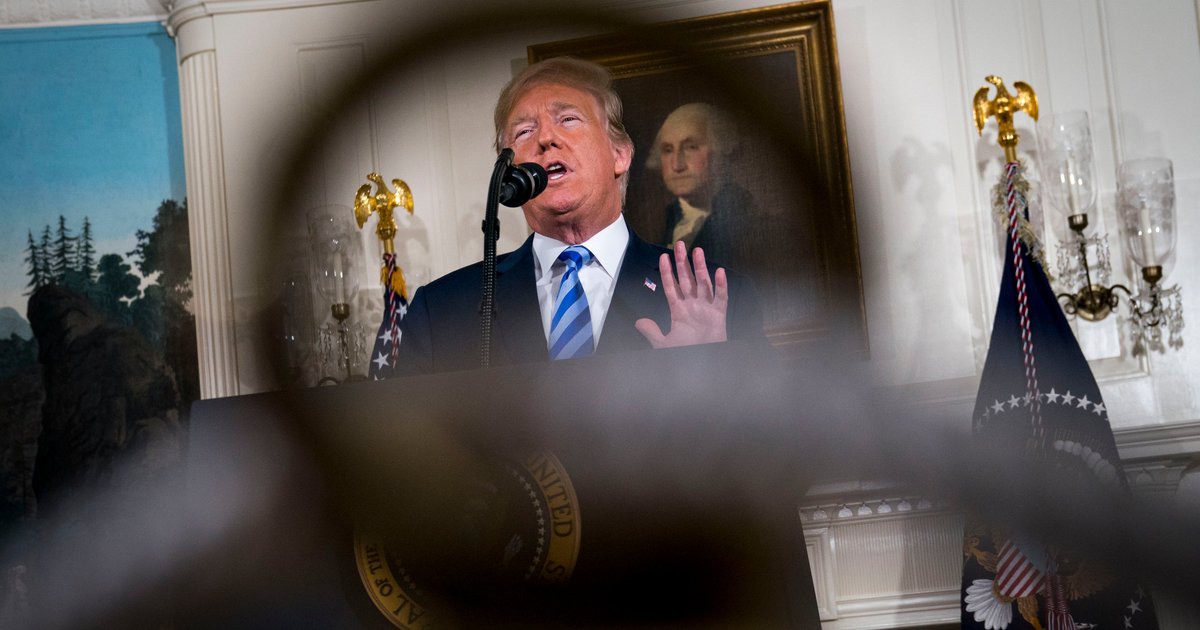
Former U.S. President Donald Trump has indicated that there is a likelihood of reaching an agreement with Iran soon, during remarks made at a press conference. These statements come at a time when relations between the United States and Iran are experiencing heightened tensions, particularly in light of the political and economic crises facing Tehran.
Trump, who withdrew from the Iranian nuclear agreement in 2018, suggested that there is an opportunity to negotiate with Iran, which could alter the trajectory of relations between the two countries. These comments have elicited mixed reactions from Iranian officials, with some emphasizing the need for any negotiations to be based on respect for national sovereignty.
Details of the Event
During the conference, Trump stated, "We are working on something that may happen soon," referring to ongoing communications with Iranian officials. These remarks come at a critical juncture, as Iran grapples with a crippling economic crisis due to U.S. sanctions, which may drive it to seek diplomatic solutions.
On the other hand, many analysts believe that Trump's statements could be part of his political strategy, especially with the upcoming U.S. presidential elections. Is Trump looking to capitalize on this opportunity to bolster his political standing?
Background & Context
Historically, U.S.-Iran relations have been strained since the Iranian Revolution in 1979, when diplomatic ties were severed between the two nations. Since then, the relationship has seen numerous ups and downs, including the nuclear agreement reached in 2015, which aimed to alleviate concerns regarding Iran's nuclear program.
Trump's withdrawal from the nuclear deal in 2018 escalated tensions, as the U.S. imposed stringent economic sanctions on Iran, significantly impacting the Iranian economy. However, the current situation may open the door to new negotiation opportunities.
Impact & Consequences
If a new agreement is reached between the United States and Iran, it could have significant implications for stability in the Middle East. The agreement could lead to the easing of economic sanctions, potentially helping Iran improve its economic situation and reducing military tensions in the region.
Conversely, any new agreement may face opposition from certain regional powers, such as Israel, which views Iran as an existential threat. Therefore, any diplomatic moves must consider the reactions of these powers.
Regional Significance
The U.S.-Iran relationship is pivotal in determining the future stability of the Arab region. Tensions between the two countries affect many Arab nations, particularly those that share borders with Iran or are influenced by its regional power.
If the United States and Iran succeed in reaching an agreement, it could contribute to easing tensions in Iraq, Syria, and Lebanon, where Iran plays a significant role. However, any agreement must safeguard the interests of Arab nations and address their security concerns.
In conclusion, Trump's statements regarding the possibility of reaching an agreement with Iran are of great interest, as they may open a new avenue for negotiation in the complex relationship between the two countries. Nevertheless, the future remains uncertain and depends on numerous political and economic factors.