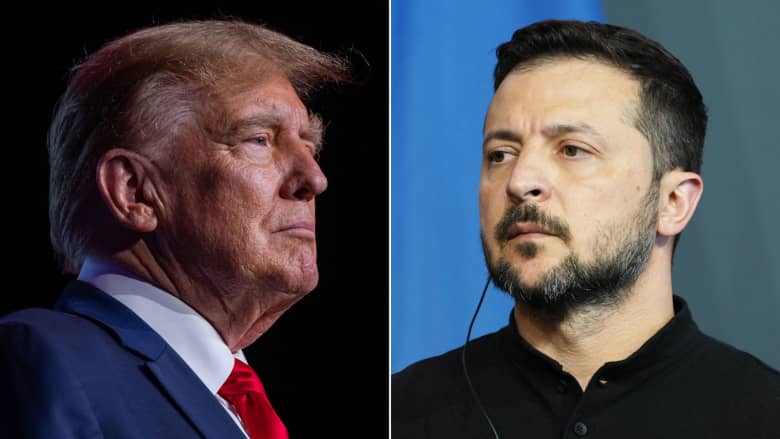
U.S. President Donald Trump has revealed information indicating that Iranian negotiators are earnestly pursuing a peace agreement with Washington, despite their denials of such discussions due to concerns over negative domestic reactions. This statement comes at a sensitive time as tensions escalate in the Middle East, raising questions about the future of relations between Iran and the United States.
At the same time, reports indicate that the U.S. military has destroyed nearly three-quarters of Iran's missile production capabilities, complicating the security situation in the region. These developments arise amid growing fears that Iran may face threats from its enemies in the region, with Tehran warning that certain parties are preparing for a military occupation of one of its islands in the Gulf.
Details of the Event
Trump's remarks coincide with escalating military tensions in the Gulf region, where the United States continues to bolster its military presence. Iran is also facing both internal and external pressures, making any potential agreement with Washington more complicated. Simultaneously, Iranian negotiators deny the existence of any official talks, suggesting internal divisions on how to engage with the United States.
On the other hand, Iran continues to develop its military programs, raising concerns among neighboring countries and the United States. Intelligence reports have confirmed that Iran has targeted enhancing its defensive capabilities in response to potential threats, further intensifying tensions in the region.
Background & Context
Historically, relations between Iran and the United States have been strained since the Islamic Revolution in 1979, which severed diplomatic ties between the two countries. Since then, the relationship has witnessed numerous crises, including economic sanctions and proxy wars in the region. In recent years, the Trump administration attempted to negotiate with Iran, but these efforts often failed due to mutual distrust.
In 2015, a nuclear agreement was reached between Iran and major powers, but the U.S. withdrawal from the agreement in 2018 heightened tensions. Since then, military activities in the region have escalated, making any peace talks seem elusive.
Impact & Consequences
If peace talks between Iran and Washington are indeed taking place, they could lead to a radical shift in the political landscape of the Middle East. Such discussions could help alleviate military tensions, but at the same time, Iran may face strong internal pressures from hardline political factions that reject any rapprochement with the United States.
Moreover, the destruction of Iran's missile capabilities could impact the balance of power in the region, potentially prompting Iran to take more aggressive steps to bolster its defensive capabilities. This situation could lead to an escalation of conflicts in the area, especially with other regional powers seeking to exploit these tensions for their advantage.
Regional Significance
The Arab Gulf states are among the most affected by the tensions between Iran and the United States. Increased tensions could lead to escalated military conflicts, threatening stability in the region. Additionally, any potential agreement could alter the dynamics of relations between Arab states and Iran, as some countries may seek to strengthen their ties with Tehran if an agreement is reached.
In conclusion, the situation in the Middle East remains complex, with political and military interests intertwining. Close monitoring of upcoming developments is essential, as these events could significantly impact the future of the region.