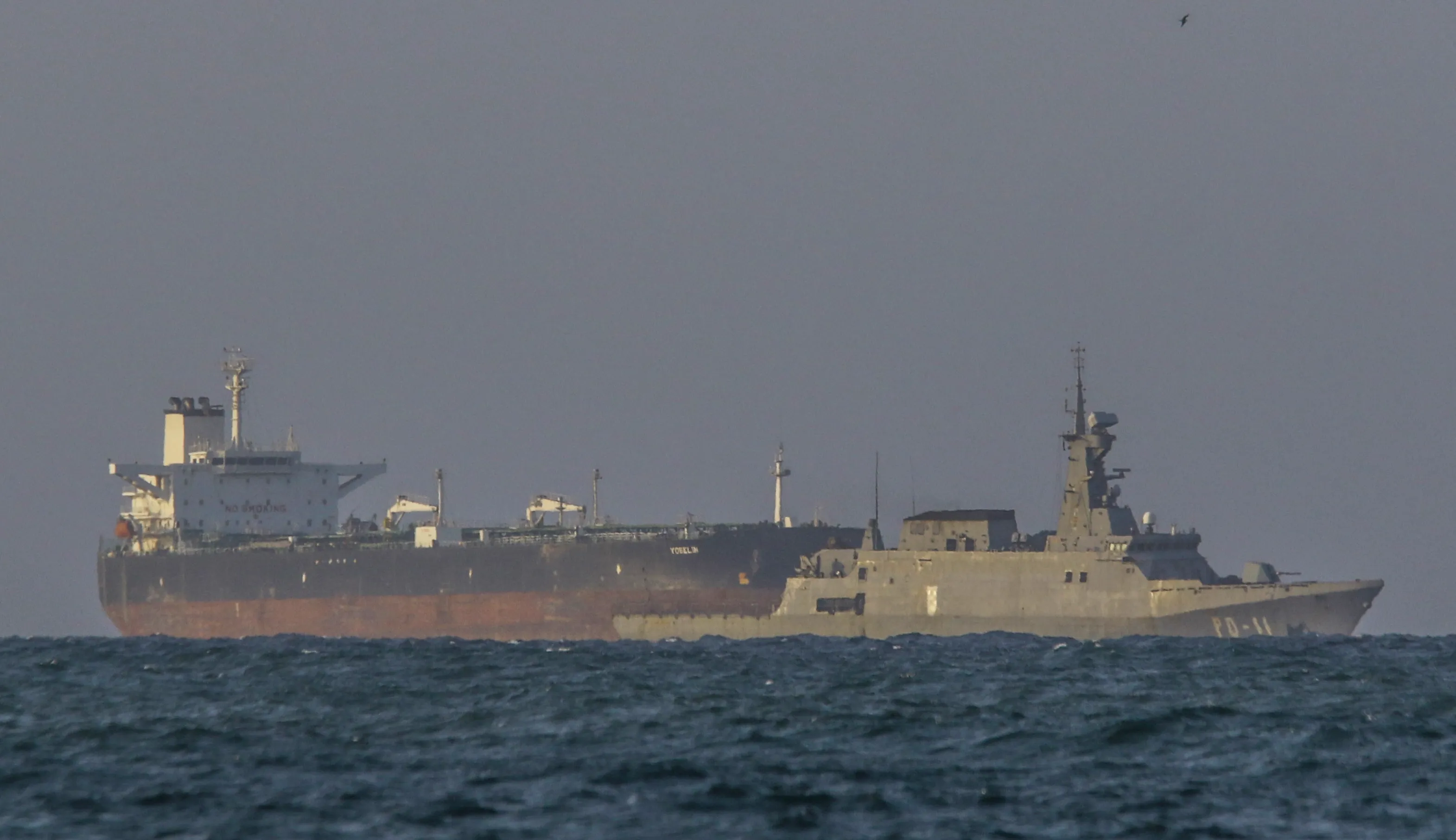
In a striking statement, former US President Donald Trump confirmed that Mohammad Baqer Qalibaf, the Iranian Parliament Speaker, has expressed his approval for oil tankers to pass through the Strait of Hormuz. This announcement comes at a sensitive time, as the region witnesses significant maritime movements, including the movement of Pakistani tankers towards the strait, reflecting new developments in the relations between Iran and the United States.
Trump, who was speaking in the context of ongoing negotiations between the two sides, indicated that these negotiations are progressing well, which could open new avenues for cooperation between the two countries. This statement comes at a time when international pressures on Iran are increasing due to its nuclear program and regional interventions.
Details of the Event
The Strait of Hormuz, considered one of the most important waterways in the world, sees active movement of oil tankers, with about 20% of the world's total oil passing through it. Trump's statements suggest the possibility of changes in Iran's policy towards oil exports, which could significantly impact global energy markets.
The movement of Pakistani tankers towards the strait may also reflect Pakistan's desire to strengthen its trade relations with Iran, especially amid ongoing tensions in the region. Moreover, these developments come at a time when relations between Iran and Western countries are experiencing a relative improvement, opening the door for further cooperation in various fields.
Background & Context
Historically, the Strait of Hormuz has been a theater for many political and military tensions, witnessing numerous crises that have affected maritime navigation. In recent years, tensions between Iran and the United States have intensified, especially after Trump's withdrawal from the Iranian nuclear deal in 2018.
Despite the pressures, Iran continually seeks to maintain its rights to oil exports, making the Strait of Hormuz a pivotal point in its economic strategy. Trump's recent statements may reflect a shift in the US position towards Iran, potentially leading to changes in the dynamics of international relations in the region.
Impact & Consequences
If negotiations between Iran and the United States continue in a positive direction, we may witness significant changes in energy policies in the region. This could lead to stabilization of global oil prices and enhance Iran's ability to export its oil, potentially contributing to the improvement of Iran's struggling economy.
On the other hand, any improvement in relations between Iran and the United States may affect Washington's allies in the region, such as Saudi Arabia and the United Arab Emirates, who may feel concerned about any rapprochement between Tehran and Washington.
Regional Significance
The recent developments in the Strait of Hormuz are particularly significant for the Arab region, where many countries rely on Iranian oil. Any changes in Iran's oil export policy could directly impact the economies of neighboring countries.
Furthermore, stabilizing the situation in the Strait of Hormuz could contribute to enhancing maritime security in the region, potentially leading to improved relations between Arab countries and Iran, which is crucial amid ongoing tensions in the area.
In conclusion, developments in the Strait of Hormuz remain under scrutiny, as any changes in policies could affect the regional and international landscape as a whole. Concerned countries must closely monitor these developments, as their implications could be far-reaching.