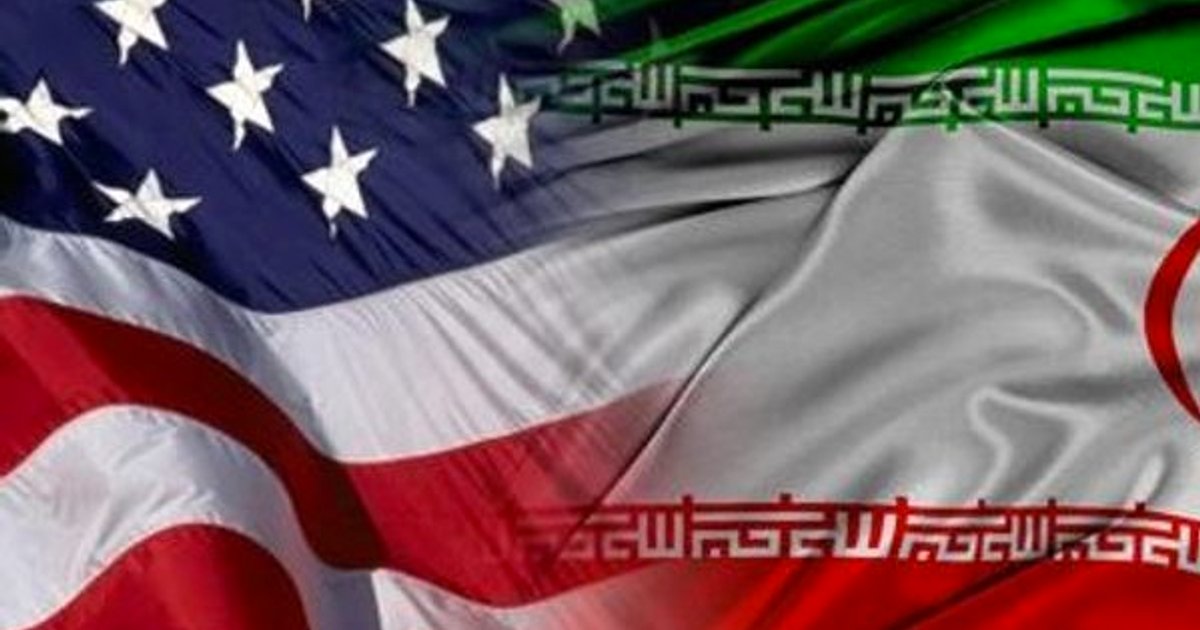
Israeli officials have indicated that U.S. President Donald Trump appears resolute in his pursuit of an agreement with Iran, aiming to end the ongoing hostilities in the Middle East. Despite this desire, the significant challenges facing this endeavor render the success of negotiations unlikely.
Simultaneously, Kurdistan in Iraq has witnessed an escalation in hostilities, with rocket attacks resulting in the deaths of six members of the Peshmerga forces, further complicating the security situation in the region.
Details of the Situation
The statements from Israeli officials come at a sensitive time, as Trump seeks to achieve a diplomatic milestone before the end of his term. Officials noted that Trump believes reaching an agreement with Iran could contribute to regional stability, yet there are significant doubts about the feasibility of achieving this under current circumstances.
On the other hand, the rocket attacks targeting the Peshmerga forces in Kurdistan reflect the rising tensions in the region, with increasing fears about the impact of regional conflicts on internal security in Iraq.
Background & Context
Historically, relations between the United States and Iran have been strained, particularly following Trump's withdrawal from the Iranian nuclear agreement in 2018. This withdrawal led to heightened tensions between the two countries, with the U.S. imposing stringent economic sanctions on Iran, adversely affecting the Iranian economy and exacerbating humanitarian conditions.
In recent years, the region has seen a surge in armed conflicts, with increased attacks on Kurdish forces in Iraq, complicating the security landscape. There is also growing concern about the impact of these conflicts on stability in neighboring countries.
Impact & Consequences
If Trump manages to make progress in negotiations with Iran, it could lead to a reduction in tensions in the region, positively affecting regional security. However, skepticism about the success of these negotiations may result in the continuation of conflicts, worsening humanitarian conditions in affected countries.
The attacks on Peshmerga forces indicate that the security situation in Iraq remains fragile, which could hinder stabilization efforts in the region. Furthermore, the persistence of these attacks may escalate conflicts among various factions, complicating the political landscape.
Regional Significance
Arab countries are striving for stability in the region, but the ongoing conflicts in Iraq and Syria may negatively impact these efforts. The tensions between the United States and Iran cast a shadow over relations between Arab states and Iran, further complicating the political scene.
Ultimately, the question remains whether diplomatic efforts will yield positive results or if conditions will continue to deteriorate. Recent events suggest that the path to peace remains long and complex.