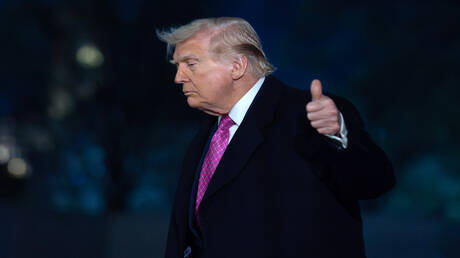
White House spokesperson Caroline Levitt announced that President Donald Trump plans to secure a deal with Iran before April 6. This announcement comes at a sensitive time marked by increasing tensions in the relations between Washington and Tehran, raising questions about the nature of the potential deal and its impact on regional security.
Pressure is mounting on the U.S. administration to make progress in negotiations with Iran, especially given the economic and political challenges facing Tehran. This move is seen as part of Trump’s strategy to bolster his position ahead of the upcoming presidential elections, as he aims to achieve diplomatic successes that could enhance his chances of winning a second term.
Details of the Event
The U.S. administration is seeking to revive negotiations with Iran after a period of heightened tensions in the bilateral relationship, particularly following the U.S. withdrawal from the nuclear agreement in 2018. Tehran has expressed its willingness to return to the negotiating table, but this would require concessions from both sides.
The potential deal is expected to address multiple issues, including the Iranian nuclear program, Tehran's support for armed groups in the region, and the lifting of some sanctions imposed on Iran. However, the precise details of the deal remain unclear, raising concerns about the feasibility of achieving tangible progress.
Background & Context
The history of U.S.-Iranian relations is fraught with tensions and conflicts, having witnessed numerous crises over the past decades, starting from the hostage crisis at the U.S. embassy in Tehran in 1979 to military conflicts in Iraq and Syria. The nuclear agreement reached in 2015 was a turning point in these relations, but it collapsed following the U.S. withdrawal.
There are growing fears that any failure to reach a new agreement could escalate tensions in the region, especially as Iran continues to enhance its nuclear capabilities. Additionally, there is concern that instability in U.S.-Iran relations could impact regional security and exacerbate conflicts in the Middle East.
Impact & Consequences
If the U.S. administration succeeds in reaching a deal with Iran, it could lead to a de-escalation of tensions in the region and promote stability. However, any agreement may require concessions from both sides, which could provoke mixed reactions from allies and partners in the region.
On the other hand, a failure in negotiations could escalate tensions, increasing the likelihood of new conflicts in the Middle East. This could also affect oil prices and financial markets, as Iran is a key player in the global energy market.
Regional Significance
U.S.-Iranian relations are pivotal for security and stability in the Arab region. Any agreement between Washington and Tehran could directly impact neighboring countries, particularly those suffering from the effects of Iranian influence, such as Iraq, Syria, and Lebanon.
Moreover, a successful negotiation could open the door for Gulf countries to strengthen their relations with Iran, potentially contributing to greater stability in the region. However, ongoing tensions could exacerbate humanitarian and political crises in affected countries.
In conclusion, the fate of negotiations with Iran hangs in the balance as events unfold in the coming days, with the world watching to see if the U.S. administration can achieve meaningful progress before the April 6 deadline.