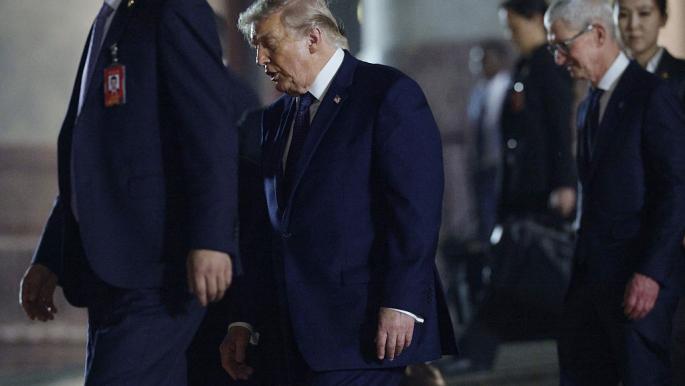
U.S. President Donald Trump is traveling to China in a bid to achieve economic and political gains that bolster his position amid the internal challenges he faces. This visit comes at a time when Trump is under growing criticism due to the economic performance in the United States, as he seeks to finalize substantial deals and investment contracts that could help regain some of his lost popularity.
China is considered one of the largest economies in the world, making it a strategic destination for Trump in his pursuit of commercial objectives. He is facing increasing pressure from political opponents and hopes this visit will improve his image and strengthen his position in the upcoming elections.
Details of the Visit
During his visit, Trump is expected to meet with several Chinese leaders to discuss important trade and investment issues. Reports indicate that Trump is looking to finalize new trade agreements that could enhance the U.S. economy and create new job opportunities. He also aims to reduce the trade deficit that the U.S. faces with China, which is one of the key issues concerning voters.
Trump's agenda also includes discussions on technology and cybersecurity issues, as he seeks to ensure the protection of U.S. interests amid increasing competition with China. These issues are among the priorities that Trump aims to address during his visit.
Background & Context
Trump's visit to China occurs against the backdrop of strained relations between the two countries, which have seen a rise in trade disputes in recent years. The United States has imposed tariffs on numerous Chinese products, leading to reciprocal reactions from the Chinese side. Through this visit, Trump aims to ease tensions and make progress in trade negotiations.
Historically, U.S.-China relations have been complex, intertwining economic and political interests. China is an important trading partner for the United States, but it is also a strategic competitor in many areas, making this visit particularly significant.
Impact & Consequences
If Trump succeeds in achieving gains during his visit, it could lead to an improvement in the economic situation in the United States, positively reflecting on his chances in the upcoming elections. Conversely, if the visit fails to yield tangible results, it may increase pressure on him from political opponents and negatively impact his popularity.
This visit also serves as a test of Trump's foreign policy, as he seeks to demonstrate his ability to effectively address international issues. His success in finalizing new agreements could bolster his position as a leader capable of advancing U.S. interests on the global stage.
Regional Significance
The U.S.-China relationship has significant implications for the Arab region, as many Arab countries rely on trade with both nations. Any changes in trade policies between the U.S. and China could affect Arab economies, particularly those dependent on oil and natural resource exports.
Furthermore, stability in U.S.-China relations could contribute to enhancing foreign investments in the region, benefiting Arab countries. Therefore, the outcomes of Trump's visit to China will be of great interest to Arab nations.
In conclusion, Trump's visit to China presents an opportunity for him to achieve gains that may restore some of his popularity, but it also carries significant challenges that could impact his political future.