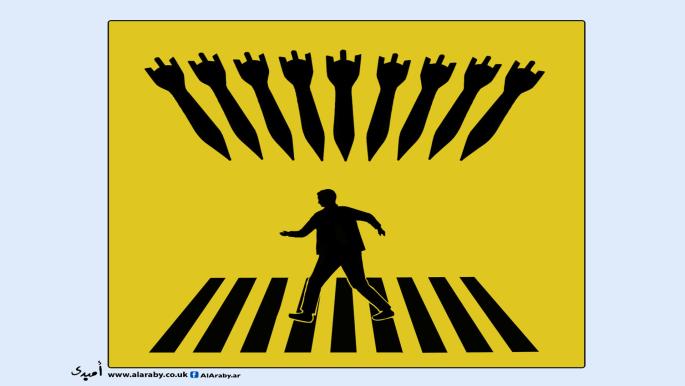
U.S. President Donald Trump aims for a strategic victory over Iran, bolstering his efforts to 'Americanize' the world. This reflects his ambitions to impose U.S. dominance on the international stage.
This desire is evident in the context of escalating tensions between the United States and Iran, where Trump seeks to exploit these conditions for both domestic and foreign political gains. Recent statements from the White House indicate that the U.S. administration is not only concerned with military outcomes but also aims to reshape the global order according to its interests.
Details of the Situation
Pressure on Iran is increasing amid the economic sanctions imposed by the United States, which aim to undermine the Iranian economy and weaken Tehran's influence in the region. Trump has indicated on several occasions that these sanctions are part of his broader strategy to control global markets and enhance the United States' status as a superpower.
At the same time, Trump faces internal challenges regarding his stance towards allies, as his aggressive policy towards Iran may lead to tensions with some European countries that seek to maintain the nuclear agreement with Tehran. These dynamics place Trump in a difficult position, where he must balance his domestic political interests with the United States' international commitments.
Background & Context
Historically, U.S.-Iranian relations have been tense since the Islamic Revolution in 1979. Since then, the United States has pursued a policy of containment towards Iran, imposing multiple economic and military sanctions. With Trump's arrival in power, these tensions have escalated significantly, especially after the U.S. withdrawal from the nuclear agreement in 2018.
These steps are part of a broader strategy aimed at reshaping the international system, as Trump seeks to enhance American influence in the face of rising powers such as China and Russia. These dynamics significantly impact security and stability in the Middle East, where Iran plays a pivotal role in many regional conflicts.
Impact & Consequences
Trump's policy towards Iran leads to serious repercussions for regional security, as it could escalate armed conflicts in the area. Additionally, these policies may increase tensions between the United States and its traditional allies, threatening global stability.
Moreover, continued pressure on Iran could push it to take escalatory steps, such as enhancing its nuclear program or increasing its support for armed groups in the region. These dynamics could exacerbate humanitarian crises and increase the suffering of civilians in affected countries.
Regional Significance
Arab countries are directly affected by Trump's policy towards Iran, as many of these nations view Iran as a threat to their national security. The escalation of tensions between the United States and Iran could lead to increased sectarian divisions in the region, threatening political and social stability.
Furthermore, these policies may impact relations between Arab countries and the United States, as some nations may seek new alliances to address security challenges. In this context, the importance of dialogue and regional cooperation emerges as a means to mitigate tensions and achieve stability in the region.
In conclusion, Trump's policy towards Iran highlights the significant challenges the United States faces in its quest to maintain global dominance. These dynamics require Arab countries to adopt strategic positions to deal with the ongoing changes in the geopolitical landscape.