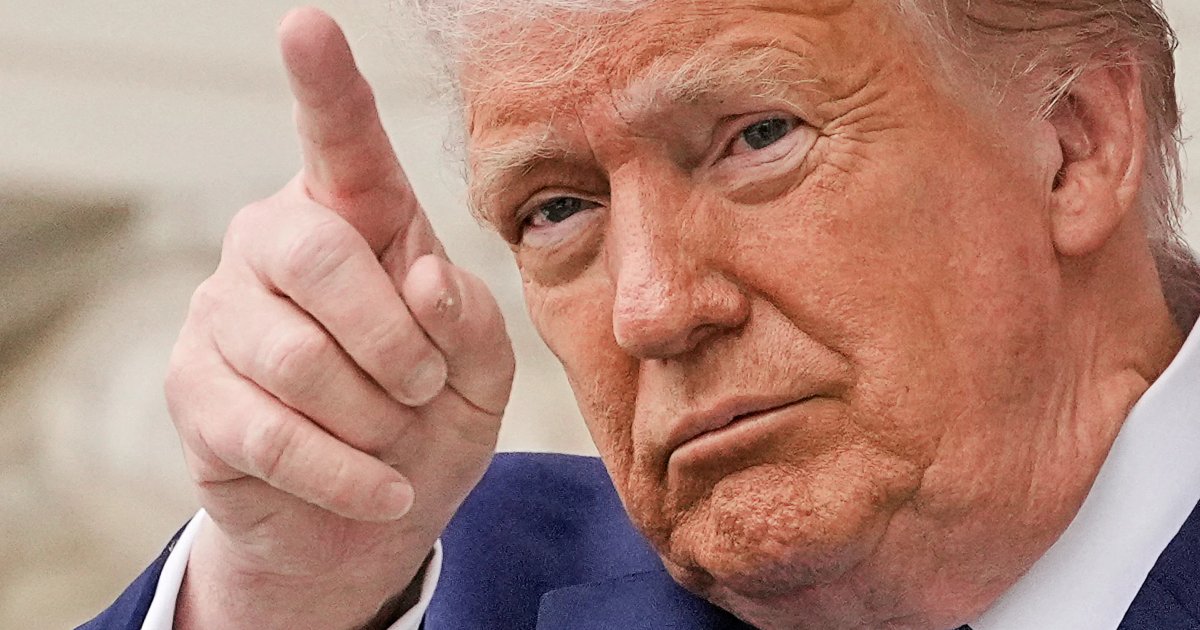
In a surprising move, former U.S. President Donald Trump announced his intention to end the war with Iran, emphasizing the necessity to reduce losses in this years-long conflict. These statements come at a sensitive time, as pressures from the Israeli government are escalating, aiming to preserve its strategic position in the region.
Trump, who had taken a hardline stance against Iran during his presidency, appears to be shifting his current strategy. He asserted in his remarks that continuing a costly conflict without achieving tangible results is unsustainable, raising questions about the future of U.S.-Iranian relations.
Details of the Announcement
Trump's statements come as tensions in the Middle East escalate, with Israel striving to prevent Iran from bolstering its military strength in the region. Analysts have noted that this shift could lead to changes in regional dynamics, especially if the United States decides to reduce its military presence in the Middle East.
Additionally, Trump's remarks may reflect a growing sentiment of frustration over the costs of war, as the U.S. economy faces significant challenges due to multiple crises. These statements are expected to impact the stance of U.S. allies in the region, who may feel concerned about a potential shift in American policy towards Iran.
Background & Context
Historically, U.S.-Iranian relations have been strained since the Iranian Revolution in 1979, with the United States adopting hostile positions towards the Iranian regime. However, recent years have seen multiple attempts at negotiation, though these efforts often falter due to mutual distrust.
In recent years, the Trump administration took drastic steps, such as withdrawing from the Iranian nuclear deal in 2018, which heightened tensions between the two countries. Nevertheless, it seems that Trump is now seeking to alter this trajectory, potentially opening the door for new negotiations.
Impact & Consequences
If Trump succeeds in ending the war with Iran, it could reshape relations between the United States and regional countries. Israel may express concern over this direction, viewing Iran as a primary threat to its national security. Furthermore, this change could affect U.S. allies in the region, who rely on American support to address security challenges.
On the other hand, ending the conflict could improve relations between Iran and Arab states, contributing to regional stability. However, the question remains whether Iran will accept new negotiation terms.
Regional Significance
Developments in U.S.-Iranian relations hold particular significance for Arab countries, as they can influence security and stability in the region. If the war is concluded, it may pave the way for regional cooperation, especially in economic and security domains.
At the same time, Arab nations must remain cautious of any changes that may affect their interests. Any rapprochement between the United States and Iran could lead to a reassessment of alliances in the region, requiring Arab states to adopt new strategic positions.
In conclusion, Trump's statements reflect a shift in U.S. policy towards Iran, which could have wide-ranging implications for the region. In light of these developments, it remains crucial to closely monitor events to understand how they will affect regional security and stability.