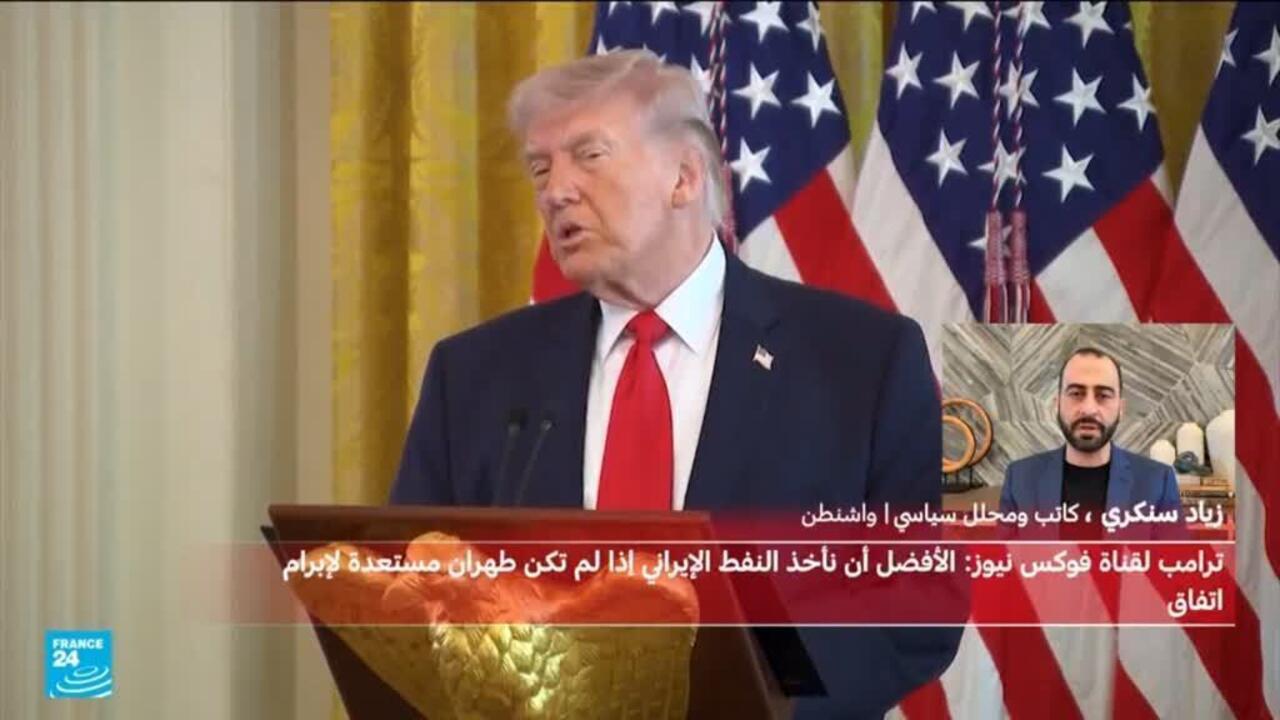
U.S. President Donald Trump has expressed optimism regarding the possibility of reaching an agreement with Iran on Monday, stating that there is a "good opportunity" for this. This statement follows Trump's renewed threats to bomb Iranian infrastructure if the Strait of Hormuz, one of the world's most important maritime passages, is not opened.
In an interview with a Fox News correspondent, Trump noted that "Iran is negotiating now," reflecting an openness to dialogue. However, he warned that if a swift agreement is not reached, he is seriously considering taking strict measures, including "destroying everything" and seizing oil.
Details of the Event
Trump's remarks come at a sensitive time as tensions between the United States and Iran escalate. Since the U.S. withdrawal from the Iranian nuclear agreement in 2018, the disputes between the two parties have intensified, leading to the imposition of severe economic sanctions on Iran. These sanctions have significantly impacted the Iranian economy and led to a deterioration of living conditions in the country.
At the same time, Iran is seeking to bolster its position in negotiations by demonstrating its ability to respond to American threats. Recent days have seen diplomatic moves from both sides, raising questions about the potential for a peaceful resolution.
Background & Context
Historically, U.S.-Iranian relations have experienced significant fluctuations, with periods of intense tension and others of cooperation. Following the Iranian Revolution in 1979, diplomatic relations between the two countries were severed, leading to escalating disputes. Over time, Iran has become one of the key issues in U.S. foreign policy, especially amid tensions surrounding its nuclear program.
The Arabian Gulf is a strategic region, through which approximately 20% of the world's oil passes. Therefore, any escalation in tensions could significantly impact global oil markets, making it essential to find diplomatic solutions to avoid potential conflict.
Impact & Consequences
If Trump and Iran can reach an agreement, it could lead to a de-escalation of tensions in the region, positively affecting the global economy. On the other hand, if negotiations fail, it could lead to military escalation, threatening regional stability and exacerbating humanitarian crises.
The potential repercussions of this situation could include rising oil prices, impacting global economies, especially those reliant on oil imports. Additionally, any escalation could lead to an influx of refugees from the region, placing further pressure on neighboring countries.
Regional Significance
The Arab countries neighboring Iran and the United States are at the heart of these tensions. Any military escalation could directly affect their security and stability. At the same time, some Arab nations may seek to play a mediating role in these negotiations, reflecting their desire for regional stability.
In conclusion, the future of U.S.-Iranian relations remains uncertain, but the hope for reaching an agreement persists. The success of negotiations could open new avenues for cooperation in the region, while failure could lead to dire consequences.