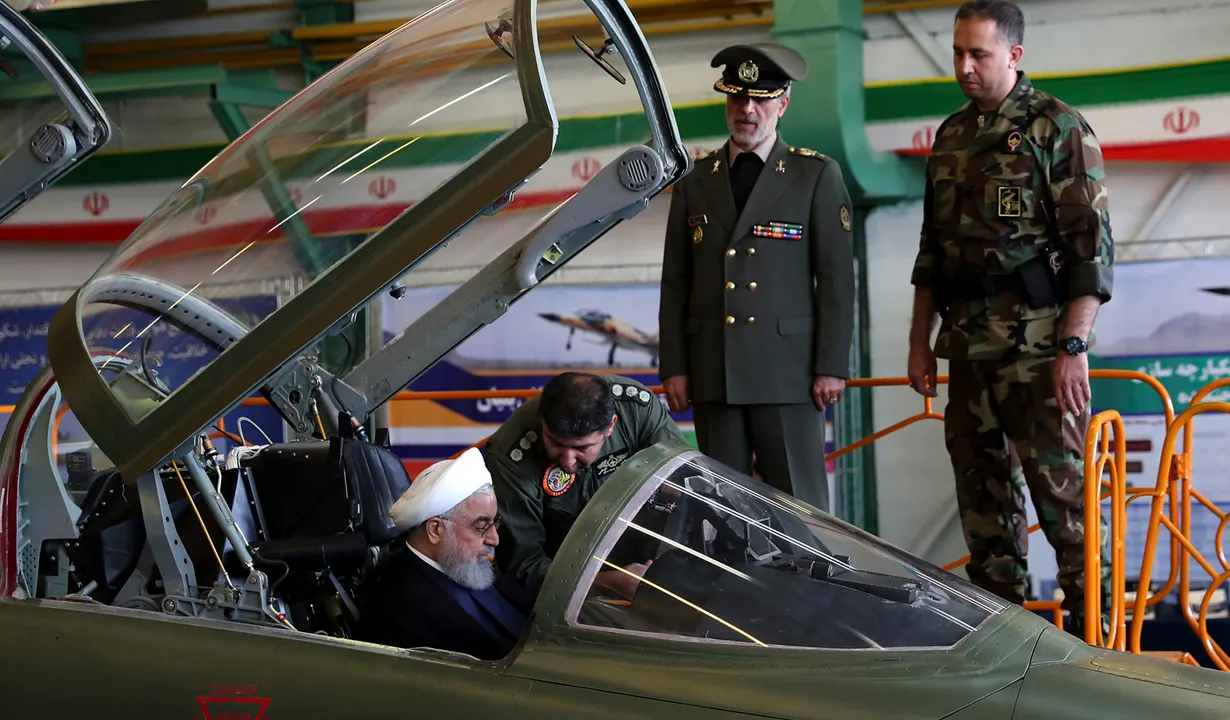
In a new escalation of tensions between the United States and Iran, President Donald Trump has set a deadline for next Tuesday at 8 PM Washington time. This comes as both nations race to locate a crew member from the downed American fighter jet.
The situation intensified following the incident in the Gulf, where the American fighter jet was reported to have crashed, leading to heightened tensions between the two countries. Trump indicated that failure to respond to the set deadline would result in severe actions against Iran, which he described as "the day of the power station and the day of the bridge," hinting at potential repercussions on Iranian infrastructure.
Details of the Incident
The incident in the Gulf has raised widespread international concern, as the fighter jet was on a military mission when it encountered an accident that led to its crash. Reports have indicated that there are intensive efforts by both American and Iranian forces to locate the missing pilot, reflecting the escalating tensions between the two parties.
Military sources have reported that the United States has sent military reinforcements to the region, while Iran has confirmed that it will take all necessary measures to protect its territory and citizens. These developments come at a highly sensitive time, as fears of a potential military escalation in the region are growing.
Background & Context
Historically, U.S.-Iranian relations have seen increasing tensions since the Islamic Revolution in Iran in 1979. Relations further deteriorated after the U.S. withdrawal from the Iranian nuclear deal in 2018, which led to the imposition of strict economic sanctions on Tehran.
In recent years, the region has witnessed numerous military incidents, including attacks on oil tankers, which have exacerbated tensions. This latest incident is part of a series of events that reflect the ongoing conflict between the United States and Iran.
Impact & Consequences
These events could lead to a potential military escalation in the region, which may affect the stability of the Arabian Gulf and increase risks to maritime navigation. Additionally, any escalation could impact global oil prices, as the Gulf region is one of the world's major shipping points.
Moreover, military escalation could provoke reactions from other countries in the region, complicating the situation further. It is crucial for neighboring Arab states to closely monitor these developments, as they could directly affect their security.
Regional Significance
The current events pose a significant challenge for Arab countries, as they could lead to increased tensions in the region. Gulf states, in particular, may face direct threats as a result of these tensions, necessitating enhanced security measures and readiness to address any unforeseen developments.
Under these circumstances, it is essential for Arab nations to adopt effective diplomatic strategies to manage the rising tensions and work towards strengthening regional cooperation to avoid any military escalation that could impact security and stability in the region.