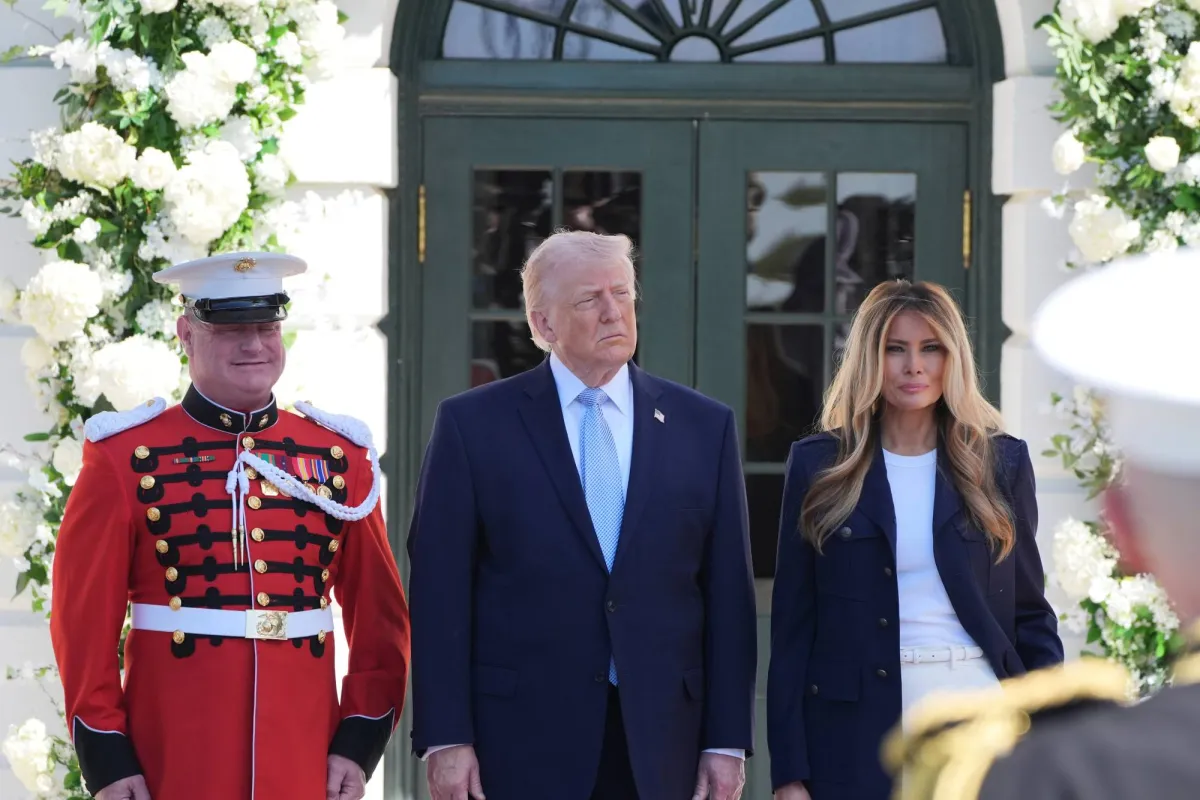
U.S. President Donald Trump announced during an annual event at the White House that the deadline he set for Iran to finalize an agreement ends tomorrow, Tuesday, asserting that it is a final deadline. Trump considered the Iranian proposal to be an important step, but not sufficient to achieve the required objectives.
Trump added that the war could be ended quickly if Iran does what it is supposed to do, indicating that the Iranians understand this and are negotiating in good faith. He also expressed his dissatisfaction with the Iranian government, warning that it would pay a heavy price if it does not cooperate.
Details of the Announcement
During his remarks, Trump indicated that he has information regarding Iranian weapons, including missiles and drones. He expressed regret for being unable to deliver weapons to Iranian protesters, noting that some individuals had retained those weapons. He confirmed that the American people want to end the war and return home.
In a related context, U.S. Immigration and Customs Enforcement continues to carry out operations to arrest undocumented immigrants, with the number of detainees rising to around 20,000 individuals in the Washington area, reflecting Trump's intensified efforts in this area. Data has shown that arrests have significantly declined since last December, but the rate has remained stable in Maryland and Virginia.
Context and Background
Trump's statements come at a sensitive time as he seeks to bolster his position in the war against Iran, which his administration views as a threat to national security. This deadline may represent a new step in pressuring Tehran to negotiate regarding its nuclear program and regional behavior.
The escalation in immigrant arrests reflects Trump's political agenda, which has made combating illegal immigration a central theme of his 2024 election campaign. This issue has sparked widespread debate among immigrant rights advocates and local officials.
Consequences and Impact
If Iran does not respond to Trump's demands, it could lead to a new military escalation in the region, increasing tensions in the Arabian Gulf. Additionally, the ongoing arrests of immigrants may provoke negative reactions from human rights organizations and affect relations between the United States and neighboring countries.
These events are part of a broader strategy by the Trump administration aimed at enhancing national security by pressuring foreign adversaries while simultaneously strengthening its domestic position through combating illegal immigration.
Impact on the Arab Region
Developments related to Iran directly affect Arab countries, as Tehran is considered a key player in many regional conflicts. Any escalation in relations between Washington and Tehran could negatively impact regional stability and heighten tensions between Arab nations and Iran.
Moreover, Trump's ongoing immigration policy may affect relations between the United States and Arab countries, particularly those hosting large numbers of immigrants. Ultimately, these developments remain under scrutiny as the region awaits the outcomes of negotiations and potential escalations.