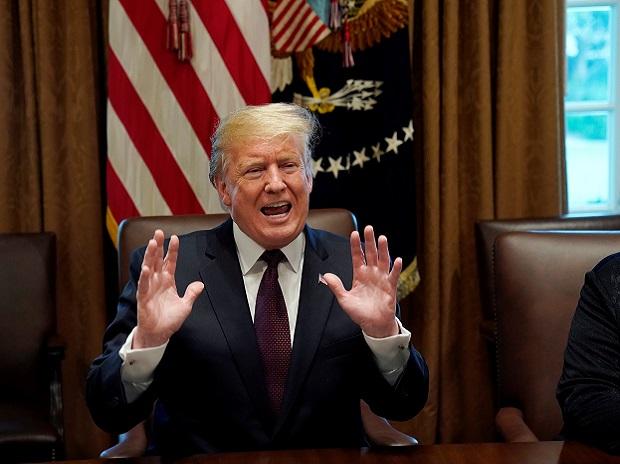
In a new development highlighting the escalating tensions in the Middle East, former U.S. President Donald Trump announced a new deadline concerning the Hormuz Strait, coinciding with the thirty-eighth day of the U.S.-Israeli conflict against Iran. This announcement comes at a sensitive time as oil prices have exceeded $110 per barrel, raising concerns about the stability of global markets.
The Hormuz Strait is a vital strategic point, through which approximately 20% of the world's total oil exports pass. Recently, the region has witnessed increasing tensions, with the United States accusing Iran of engaging in activities that threaten regional security. In this context, Trump's announcement heightens fears about the potential escalation of the conflict.
Details of the Announcement
In his speech, Trump indicated that the new deadline aims to pressure Iran to comply with international demands. He emphasized that the United States would take strict measures if Tehran does not respond to these demands. These statements come at a time when U.S.-Iran relations are increasingly strained, especially following Washington's withdrawal from the nuclear agreement in 2018.
On the other hand, Iran has expressed its rejection of U.S. pressures, asserting that it will continue its nuclear program. Tehran has warned that any military intervention in the region would lead to dire consequences, complicating the current situation further. Meanwhile, oil prices continue to rise, causing concern among consuming nations.
Background & Context
Historically, the Hormuz Strait has been a strategic transit point for oil, having witnessed numerous crises in the past. In 1980, during the Iran-Iraq War, the strait experienced significant military escalation. Additionally, commercial vessels have faced repeated attacks in recent years, increasing the importance of securing this area.
In recent years, the United States has bolstered its military presence in the region, which has sparked Iran's discontent. These policies have led to heightened tensions, as Iran seeks to enhance its influence in the region by supporting armed groups in Iraq, Syria, and Lebanon.
Impact & Consequences
The repercussions of this conflict extend beyond regional borders, potentially affecting global oil prices, which could negatively impact the global economy. Rising oil prices may lead to increased transportation and energy costs, affecting consumers worldwide.
Furthermore, escalating tensions could result in military interventions by other countries, complicating the situation further. Should any escalation occur, it could lead to a larger conflict in the region, threatening both regional and international stability.
Regional Significance
For Arab countries, the rising tensions in the Hormuz Strait represent a direct threat to their economic interests. Many Arab nations heavily rely on oil exports, and any increase in prices could impact their budgets.
Additionally, the tensions may lead to increased military investments in the region, which could negatively affect stability. Under these circumstances, Arab nations must take proactive steps to protect their interests and ensure the stability of their markets.
In conclusion, Trump's announcement of the new deadline in the Hormuz Strait marks an important development in the ongoing conflict, reflecting the persistent challenges facing the region. The current situation requires Arab nations to take clear positions to safeguard their interests amid these escalating tensions.