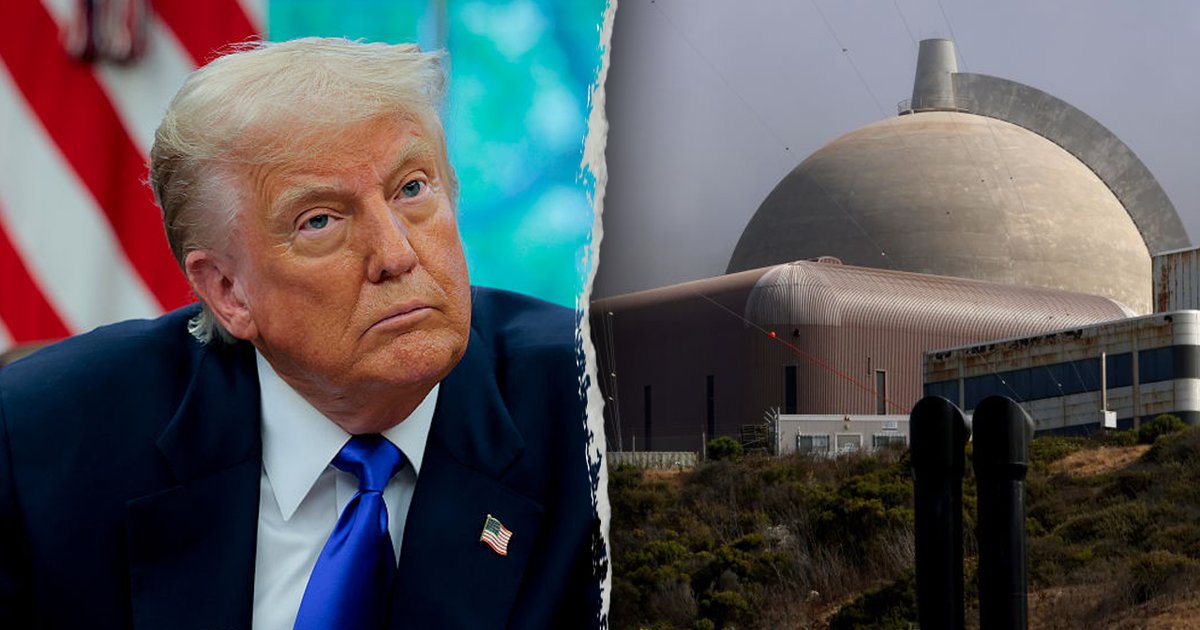
Former U.S. President Donald Trump has sparked widespread controversy following his recent remarks suggesting the possibility of breaking nuclear taboos. This statement comes at a critical juncture, as concerns grow over a new global nuclear arms race.
In his comments, Trump emphasized that the United States must be prepared for all possibilities, including the use of nuclear weapons, raising alarm among many international experts and analysts.
Details of the Event
During a rally, Trump stated, "If we are not prepared to use our nuclear power, we will be at risk." These remarks come at a time when tensions are escalating between the United States and its traditional adversaries, such as Russia and North Korea.
Trump did not clarify precisely what he meant by breaking nuclear taboos, but many observers believe this could indicate a shift in U.S. nuclear policy, which has traditionally relied on deterrence rather than the actual use of nuclear weapons.
Background & Context
Over the decades, the United States has adopted a nuclear policy based on deterrence, where nuclear weapons serve as a means to deter enemies from using force. However, Trump's statements come at a time when the world is witnessing radical changes in the balance of power, with the rise of new powers and increasing security threats.
In recent years, we have seen heightened nuclear tensions, particularly with North Korea's nuclear tests and Russian threats. These dynamics may lead to a reevaluation of nuclear policies, not only in the United States but globally.
Impact & Consequences
If any changes are made to U.S. nuclear policy, it could lead to increased international tensions. Many experts warn that breaking nuclear taboos could encourage other countries to develop their nuclear programs, raising the risk of nuclear conflicts.
Trump's remarks may alarm U.S. allies who rely on American nuclear protection. This could lead to a reassessment of their defensive strategies and may drive some countries to seek their nuclear weapons.
Regional Significance
In the Arab context, these statements could impact countries seeking to develop nuclear programs for peaceful purposes, such as Iran. If these countries feel there is a shift in U.S. policy, it could lead to a nuclear arms race in the region.
Moreover, these remarks could affect relations between Arab countries and the United States, as they may raise concerns about the U.S. being less committed to protecting its allies in the region.
Trump's comments on breaking nuclear taboos open the door to discussions about the future of U.S. nuclear policy and its impact on global security. Amid rising tensions, the question remains: Will the United States move towards a more aggressive nuclear policy, or will it remain committed to traditional deterrence principles?