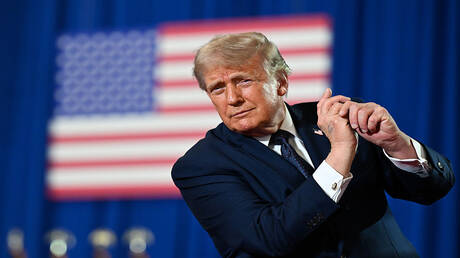
U.S. President Donald Trump's assertion regarding a new drug capable of reviving the dead has sparked significant controversy in political and social circles. This statement was made during a press conference, where Trump indicated that this unnamed drug has the potential to bring back patients who have passed away.
Reactions to this statement have varied widely, with many activists mocking the idea on social media, deeming it a reflection of unseriousness in addressing public health issues. Some critics have also targeted Trump for failing to provide accurate information about this alleged drug.
Details of the Event
During the conference, Trump spoke enthusiastically about this drug, claiming it represents a significant scientific advancement. However, he did not present any scientific evidence or studies to support this claim, raising questions about the credibility of his statements. Many experts in the medical field believe that such remarks could foster false hope among the public, especially amid the multiple health crises the country is facing.
The statement came at a sensitive time, as the United States continues to grapple with major challenges in healthcare, including the COVID-19 pandemic. Some have suggested that this statement may be an attempt by Trump to divert attention from more pressing issues.
Context and Background
Historically, the United States has seen many controversial statements from officials, but Trump's recent remark stands out due to its bizarre nature. In recent years, there has been increased interest in developing new drugs, but discussions about reviving the dead raise profound ethical and scientific questions.
It is worth noting that research in the field of biomedical science has made remarkable progress, yet the notion of bringing the dead back to life remains within the realm of science fiction. Such statements could erode trust in medical and scientific institutions if not handled with caution.
Impact and Consequences
Trump's statements may influence how the public receives medical news, potentially contributing to the spread of misinformation. At a time when people need accurate and reliable information, such remarks could increase skepticism about the effectiveness of available treatments.
Additionally, this statement may open the door for discussions about medical ethics, particularly regarding the development of new drugs. Should we take everything said about new medications seriously? Or should we be cautious of statements that lack scientific evidence? These questions will remain in the public discourse.
Impact on the Arab Region
In the Arab region, such statements could have negative effects on trust in healthcare systems. With growing concerns about epidemics and diseases, citizens need accurate and reliable information from their leaders. Vague statements may lead to increased anxiety and confusion among the populace.
Moreover, these remarks could affect how Arab countries approach medical research and scientific developments. At a time when the Arab world needs to bolster confidence in its healthcare system, such statements could hinder achieving that goal.
In conclusion, Trump's statement about a drug that can revive the dead remains a contentious topic, reflecting the challenges faced by health policy in the United States and globally. It is crucial to approach such statements with caution and to provide accurate and reliable information to the public.