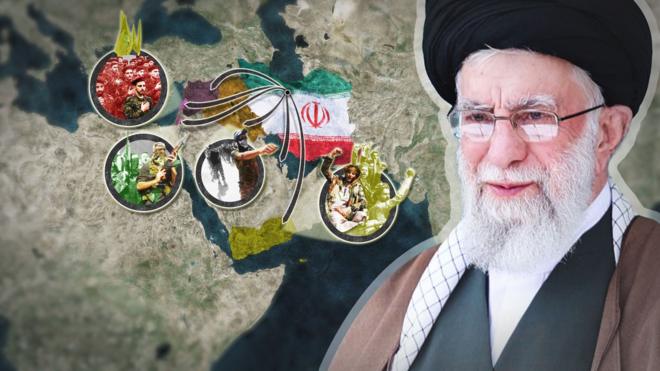
U.S. President Donald Trump has indicated that controlling Iranian oil has become a viable option, noting that the United States no longer needs the Strait of Hormuz due to its superior oil production compared to both Saudi Arabia and Russia.
In his recent statements, Trump announced the destruction of large parts of Iran's ballistic missile stockpile and its factories, in addition to drone systems and mine-laying boats. He revealed that Washington successfully intercepted over 100 missiles that were aimed at a "valuable" U.S. military asset.
Details of the Event
Trump criticized Tehran for imposing fees on passage through the Strait of Hormuz, pointing out that Iran allowed the passage of 10 oil tankers flying the Pakistani flag, describing this as a "gift" during ongoing negotiations. Trump emphasized that he is not seeking a quick deal with Tehran, stressing that there is a long list of targets the United States intends to strike before ending the conflict.
These statements contrast with Trump's previous positions, as he indicated on Tuesday that Iran had made a concession to Washington in the energy sector, in light of ongoing talks with unnamed Iranian officials. Trump clarified that the concession was related to shipping traffic in the Strait of Hormuz, where Iran prevents the passage of "hostile" vessels in response to the ongoing U.S.-Israeli war against it since February 28.
Background & Context
These remarks come at a sensitive time in U.S.-Iranian relations, which have seen escalating tensions in recent months. Since the United States withdrew from the Iranian nuclear deal in 2018, Washington has imposed strict economic sanctions on Tehran, leading to a deterioration of the Iranian economic situation and increased regional tensions.
The Strait of Hormuz is considered one of the most important waterways in the world, through which approximately 20% of total global oil exports pass. Therefore, any escalation in this strait could significantly impact global oil markets and regional stability.
Impact & Consequences
Trump's statements regarding the control of Iranian oil raise many questions about U.S. intentions in the region. If this option is implemented, it could lead to significant military escalation, threatening regional stability and heightening tensions between Washington and Tehran.
Moreover, these statements could affect U.S. relations with its allies in the region, including Saudi Arabia and the UAE, who rely on stable oil prices. Any U.S. action in this direction could provoke strong reactions from Iran, which may view it as a direct threat to its national security.
Regional Significance
Arab countries are directly affected by any escalation in U.S.-Iranian relations, especially those located in the Arabian Gulf. Increased tensions could lead to rising oil prices, impacting the economies of these countries and increasing economic pressures on them.
Additionally, any military escalation could result in a flow of more refugees to neighboring countries, further burdening these nations and complicating humanitarian conditions in the region. Therefore, the situation requires close monitoring by Arab countries to ensure their stability and security.
In conclusion, Trump's remarks regarding Iranian oil being an option open for consideration pave the way for many potential scenarios that could affect security and stability in the region.