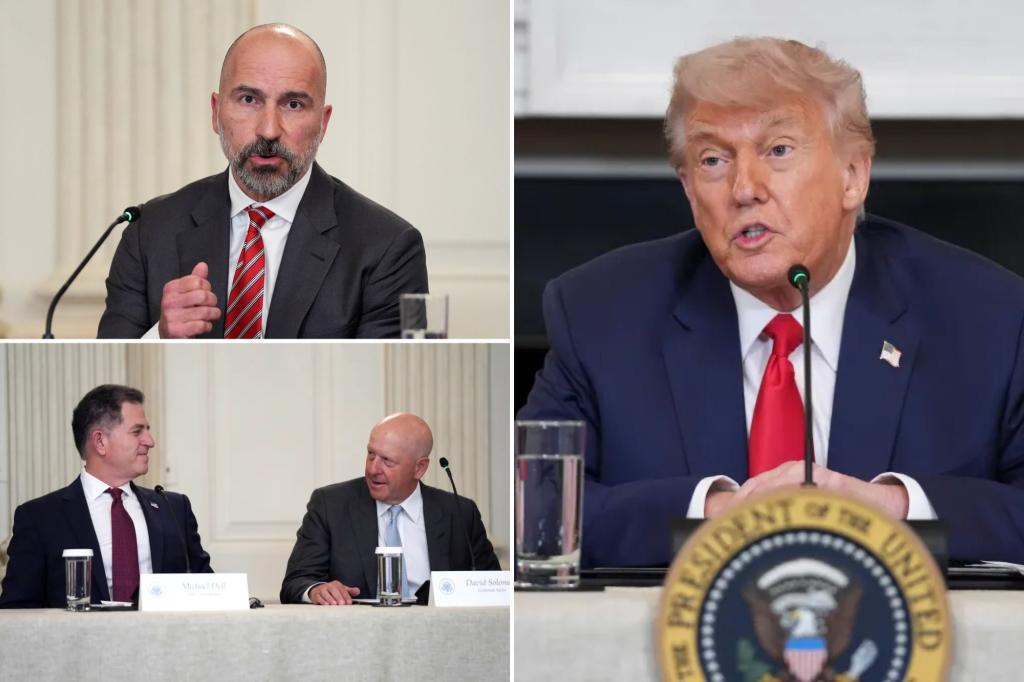
According to the British newspaper "The Guardian," former U.S. President Donald Trump expressed his belief that there is a possibility of reaching an agreement with Iran within a day. These statements come at a time when tensions between Tehran and Washington are escalating, raising questions about the future of relations between the two countries.
Trump's remarks are part of his ongoing efforts to return to the political arena, where he seeks to affirm his role as a leader capable of resolving international crises. He indicated that there are real opportunities for negotiation with Iran, which could alter the course of relations between the two nations if achieved.
Details of the Event
Trump's statements coincide with rising tensions in the Middle East, where Iran continues to develop its nuclear program, causing concern in the international community. The United States withdrew from the nuclear agreement with Iran in 2018, exacerbating the situation. In this context, Trump sees an opportunity for a new agreement that could serve the interests of both parties.
At the same time, Iran continues to assert its right to develop its nuclear program for peaceful purposes, complicating the situation further. Many observers have expressed concern that any potential agreement may not be sufficient to ensure security and stability in the region.
Background & Context
The history of U.S.-Iran relations is filled with tensions and conflicts. Since the Islamic Revolution in 1979, relations between the two countries have deteriorated significantly, with the U.S. accusing Iran of supporting terrorism and developing weapons of mass destruction. Conversely, Iran accuses the U.S. of interfering in its internal affairs and supporting hostile regimes in the region.
Over the past years, several U.S. administrations have attempted to reach an agreement with Iran, but those efforts have often failed. However, Trump's recent statements may open the door to new negotiation opportunities, especially in light of global political changes.
Impact & Consequences
If an agreement is reached with Iran, it could have significant implications for regional and international security. This agreement could lead to a reduction in tensions in the Middle East, contributing to the stabilization of oil markets and enhancing opportunities for cooperation among nations.
On the other hand, Trump may face significant challenges in convincing his allies in the region, who may feel uneasy about any rapprochement with Iran. There are also concerns that any agreement may not be sustainable given potential political changes in the United States.
Regional Significance
The relations between the United States and Iran have a direct impact on many Arab countries. The tensions between the two nations affect security and stability in Iraq, Syria, and Lebanon, where Iran plays a significant role.
If an agreement is reached, it could lead to a shift in dynamics in the region, allowing Arab countries to strengthen their relations with Iran or reassess their strategies. However, any moves in this direction must consider existing security and political concerns.
In conclusion, Trump's statements regarding the possibility of reaching an agreement with Iran remain a contentious topic, as political and economic circles around the world await the outcomes of these potential negotiations.