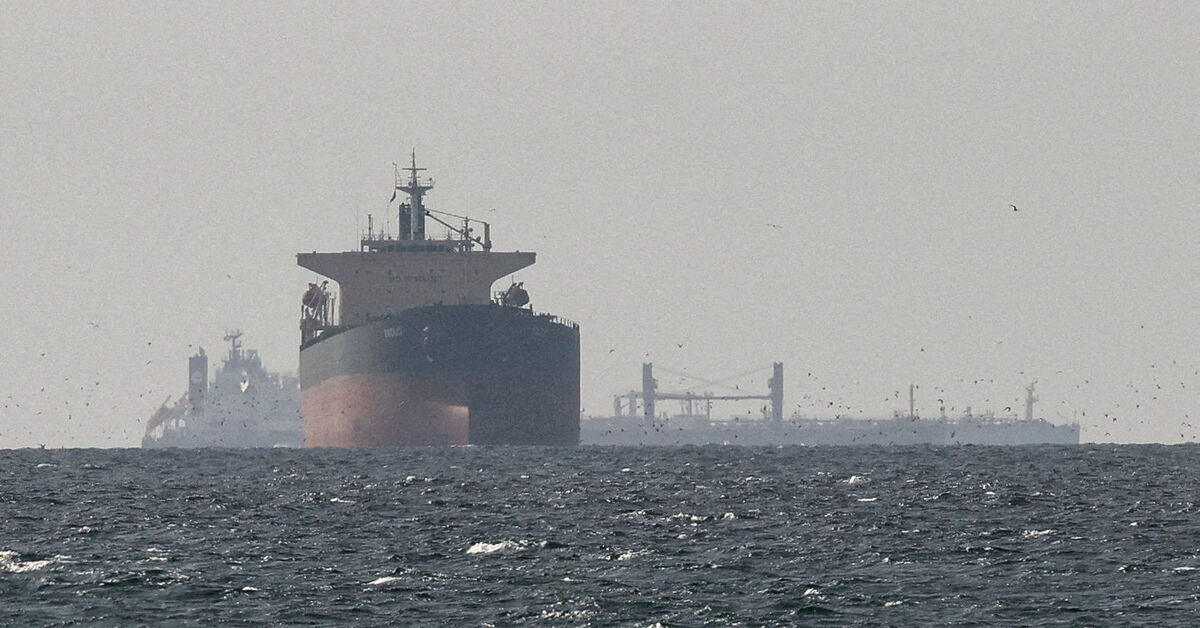
In an intriguing announcement, US President Donald Trump declared on Wednesday that the United States will provide assistance to ease traffic congestion in the Strait of Hormuz. Trump affirmed that his country will supply various resources, noting that US forces will remain in the region to ensure operations proceed smoothly.
During the press conference, Trump added, "We will be loading supplies of all kinds, and we will be present here to ensure that everything goes well." He also indicated that there are "many positive measures" to be taken, considering that this step will open the door for Iran to begin a reconstruction process.
Event Details
The Strait of Hormuz is one of the most vital waterways in the world, through which approximately 20% of the total global oil trade passes. Recently, the strait has witnessed an increase in ship traffic, leading to congestion. Trump's statements come at a sensitive time as the United States seeks to bolster its military presence in the region.
This announcement also comes amid rising tensions between the United States and Iran, with Washington accusing Tehran of threatening maritime navigation in the strait. Many European countries have expressed concern over the escalating tensions in the region, which could impact the stability of global oil markets.
Background & Context
Historically, the Strait of Hormuz has seen numerous political and military crises, serving as a theater for many conflicts between major powers. For decades, there have been multiple attempts to ensure freedom of navigation in this vital corridor, yet regional tensions often hinder these efforts.
In recent years, tensions between the United States and Iran have intensified following Washington's withdrawal from the nuclear agreement in 2018. Since then, the United States has imposed strict economic sanctions on Iran, exacerbating the situation in the region.
Impact & Consequences
Trump's statements could lead to significant changes in the political dynamics of the region. This move is expected to provoke varied reactions from the concerned countries, as Iran may perceive it as interference in its internal affairs. Additionally, these statements could affect global oil prices, as many countries rely on the stability of navigation in the strait.
Furthermore, an increased US military presence in the region may escalate tensions, potentially negatively impacting peace and stability efforts in the Middle East.
Regional Significance
For Arab countries, the Strait of Hormuz is a vital artery for trade and oil. Any escalation in tensions could directly affect the economies of these nations, especially those reliant on oil exports. Moreover, regional stability is crucial for Arab national security.
In conclusion, developments in the Strait of Hormuz remain a focal point for the world, where political and economic interests intertwine. Arab nations must closely monitor these events and take necessary actions to safeguard their interests in light of these changing circumstances.